

Understanding SA53 Pipe: The Backbone of Modern Industry
In today’s world, where infrastructure and industrial systems underpin nearly every aspect of life, materials like the SA53 pipe play a surprisingly pivotal role. Globally, steel pipes are the arteries of energy, water, and manufacturing flows. Grasping the characteristics and advantages of SA53 pipes not only benefits engineers and procurement specialists but also anyone interested in how societies build and maintain essential services.
Global Context: Why SA53 Pipes Matter
Steel consumption worldwide is staggering, with the World Steel Association reporting over 1.8 billion tons produced annually. Pipes complying with ASTM A53 — commonly known as SA53 pipes — are a significant portion, used extensively in oil, gas, and water transport pipelines. This model of pipe addresses challenges like pressure endurance and corrosion resistance, which is vital in developing infrastructure across emerging economies and in maintaining reliability in mature industrial markets.
Oddly enough, despite being somewhat “behind-the-scenes,” SA53 pipe quality directly affects safety in power plants, refineries, and municipal water systems globally. The UN’s Sustainable Development Goals (SDGs) like Clean Water and Affordable Energy rely indirectly on these steel conduits functioning seamlessly.
What Exactly Is SA53 Pipe?
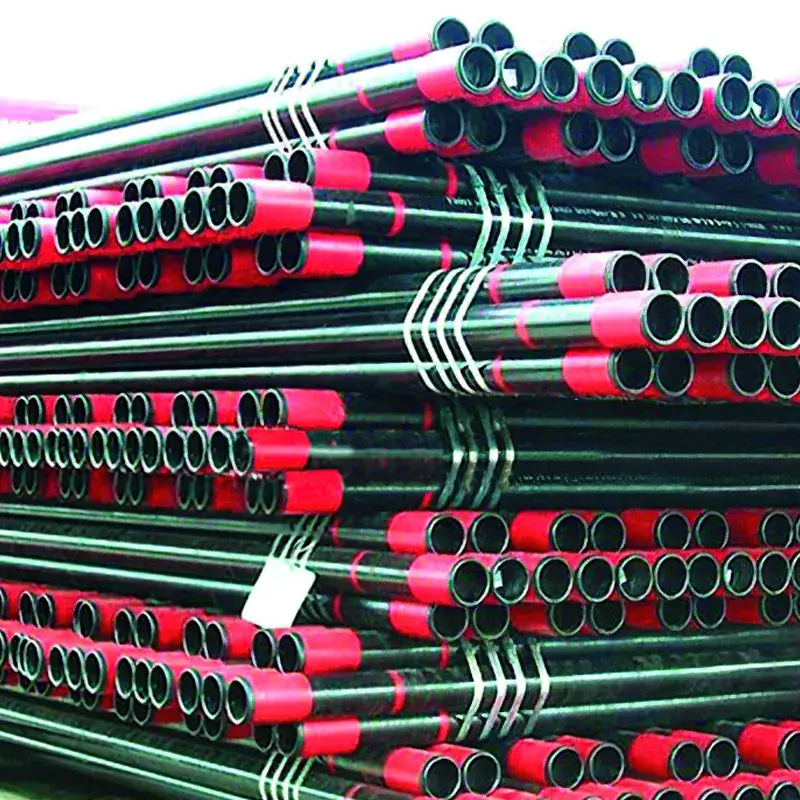
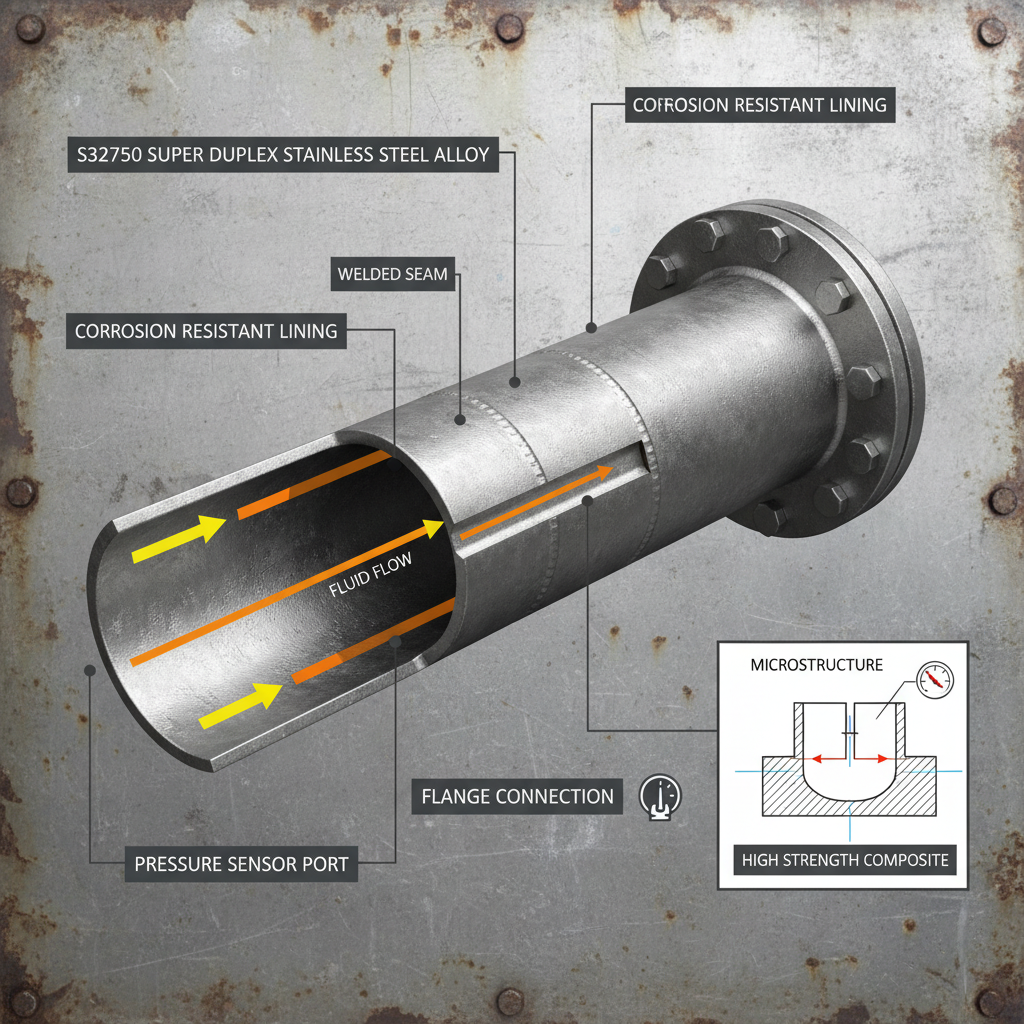
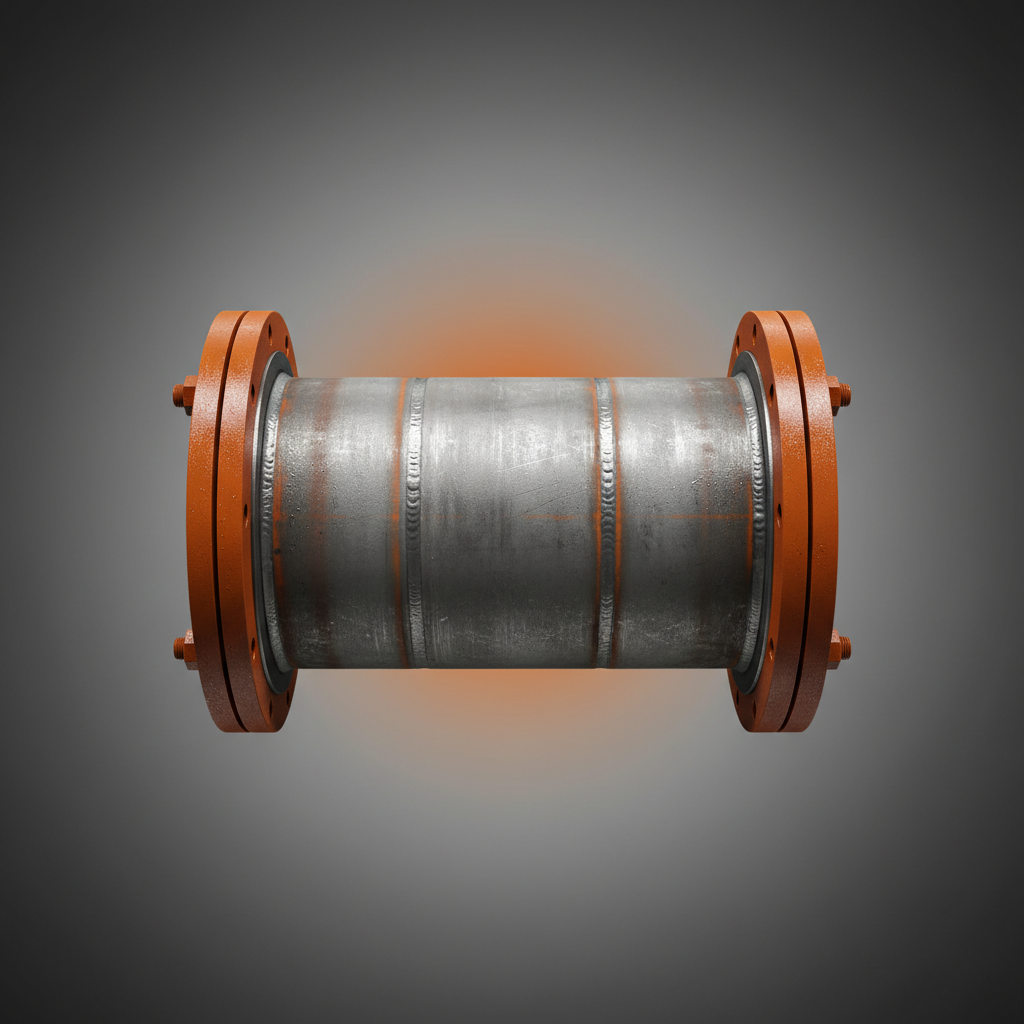
Simply put, an SA53 pipe is a carbon steel pipe manufactured under the ASTM A53 specification. It’s used for mechanical and pressure applications, as well as steam, water, and gas transportation. Unlike some specialty pipes, SA53 is readily weldable and comes in grades A and B, offering flexibility depending on strength and ductility needs.
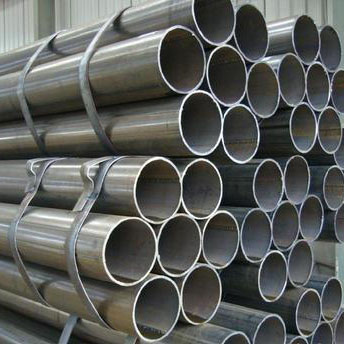
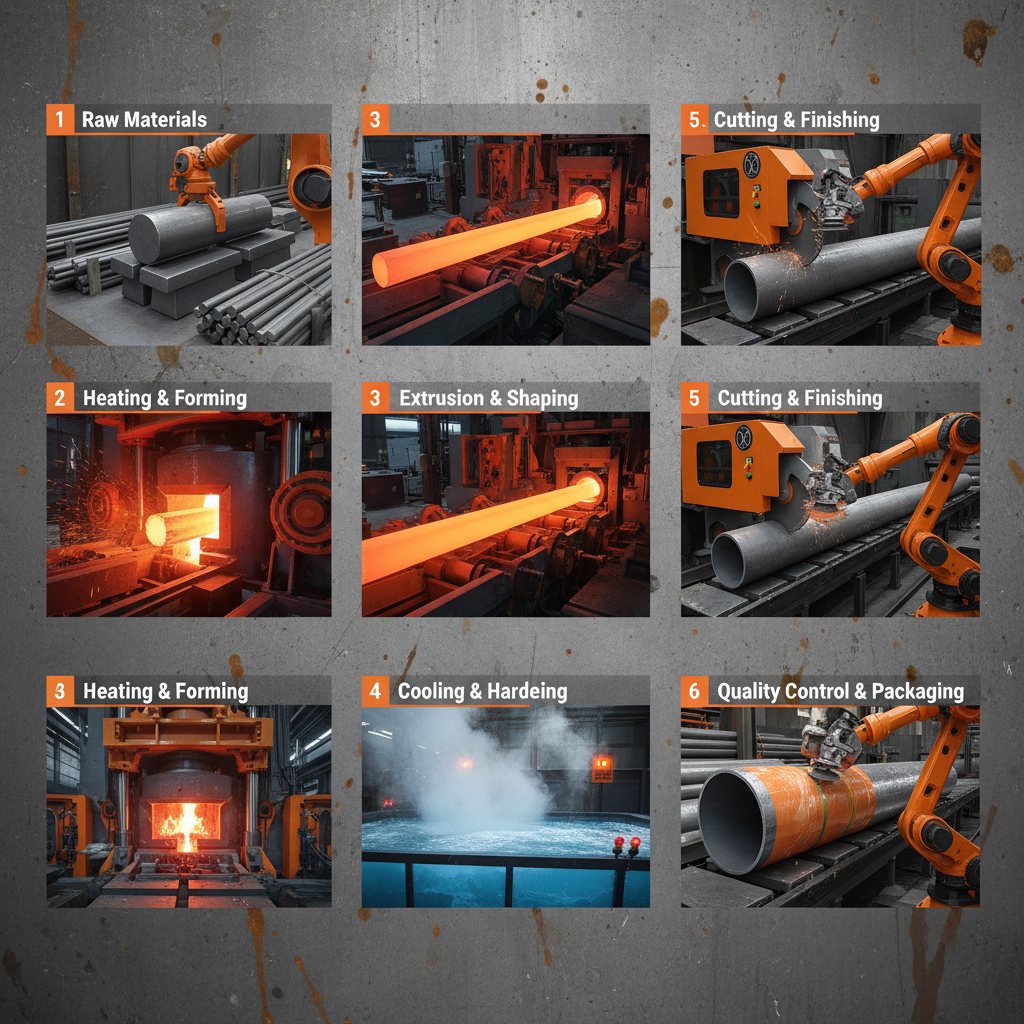
Manufactured either by seamless or welded methods, these pipes support everything from HVAC systems to oil rigs — essentially bridging raw material transport and end-user applications.
Key Properties of SA53 Pipes
1. Durability
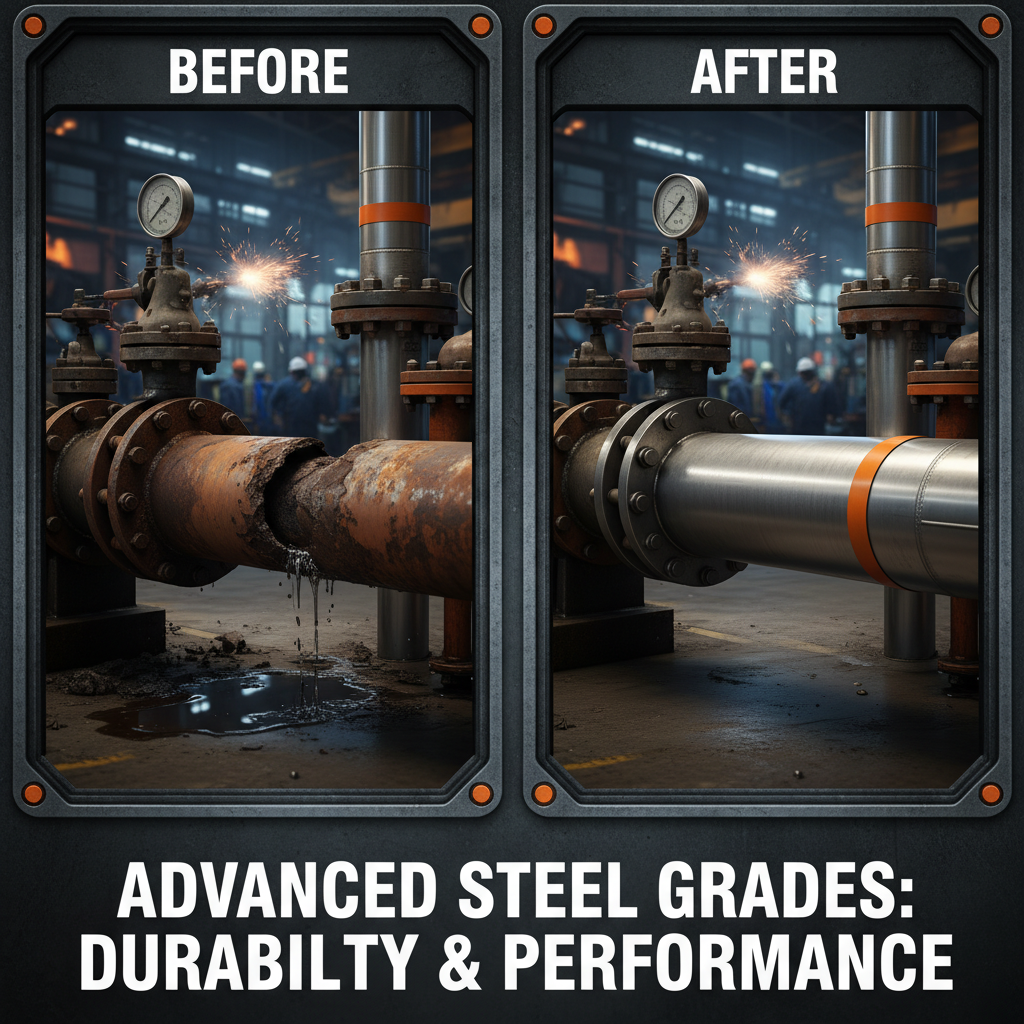
SA53 pipes boast good tensile strength (in Grade B, minimum yield strength is typically 35 ksi) and proven resistance to corrosion when properly coated. That means these pipes can last decades, even in marine or industrial environments that might otherwise accelerate wear.
2. Cost Efficiency
Relative to more exotic alloys, SA53 pipes strike a practical balance between price and performance. Companies often choose them because they reduce upfront costs without compromising safety — a sweet spot in industrial supply chains.
3. Scalability
Available in nominal sizes ranging from 1/8” up to 26” and lengths up to 40 feet, SA53 pipes fit many project scales — from small-scale community water projects to massive energy pipelines spanning thousands of kilometers.
4. Versatility
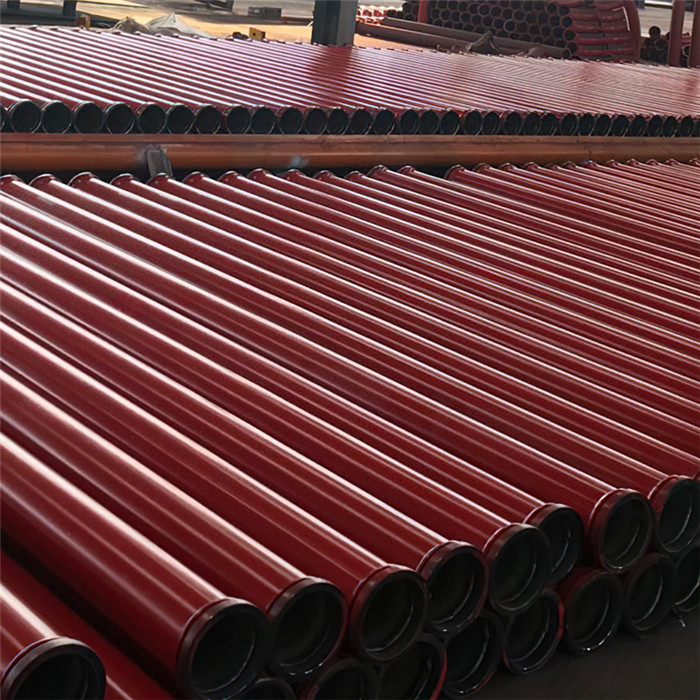
Whether it’s used uncoated inside protective conduits, galvanized for weather resistance, or painted for industrial aesthetics, SA53 pipes adapt to different project requirements without extensive modifications.
SA53 Pipe Product Specifications
| Specification | Grade A | Grade B |
|---|---|---|
| Minimum Yield Strength (ksi) | 30 | 35 |
| Tensile Strength (ksi) | 48 | 60 |
| Manufacture | Welded or Seamless | Welded or Seamless |
| Typical Uses | Low-pressure mechanical and water systems | Pressure systems, steam lines, oil and gas |
Global Uses and Real-Life Examples of SA53 Pipes
Across continents, from sprawling oil fields in the Middle East to water treatment plants in Europe and Asia, SA53 pipes sustain essential functions. For instance, in Southeast Asia's rapidly urbanizing regions, municipal water systems rely on these pipes for dependable delivery under varying pressure conditions.
Post-disaster relief operations, such as after flooding events, often need fast-deployable, pressure-resistant pipework. SA53 pipes are preferred for such rapid infrastructure restoration. In remote industrial zones like Siberia’s energy sectors, their cost-efficiency combined with durability outweighs logistical hurdles of transport and installation.
In fact, many engineering teams at companies like PetroChina and Shell have praised SA53 pipes for balancing performance and cost in tough conditions.
Comparing SA53 Pipe Vendors
| Vendor | Price Range (per ton) | Grade options | Lead Time | Geographical Reach |
|---|---|---|---|---|
| BlueSteel Corp. | $500–$700 | A, B | 4-6 weeks | Global |
| PipeMasters Ltd. | $480–$680 | B only | 3-5 weeks | Asia, Europe |
| SteelStream Inc. | $520–$750 | A, B | 5-7 weeks | North America, Global |
Advantages and Long-Term Value of SA53 Pipes
Choosing SA53 pipes offers more than just a steel conduit; it’s about reliability and peace of mind. They deliver consistent performance in hostile environments and, frankly, often save money over their life cycle when factoring in ease of maintenance and replacement intervals.
From a sustainability perspective, SA53 steel is highly recyclable, which fits nicely into circular economy efforts seen in ISO 14001 environmental management systems. Socially, enabling communities with durable water and energy infrastructure enhances health and economic opportunities — an understated yet critical emotional benefit.
Future Trends & Innovations in SA53 Pipe Technology
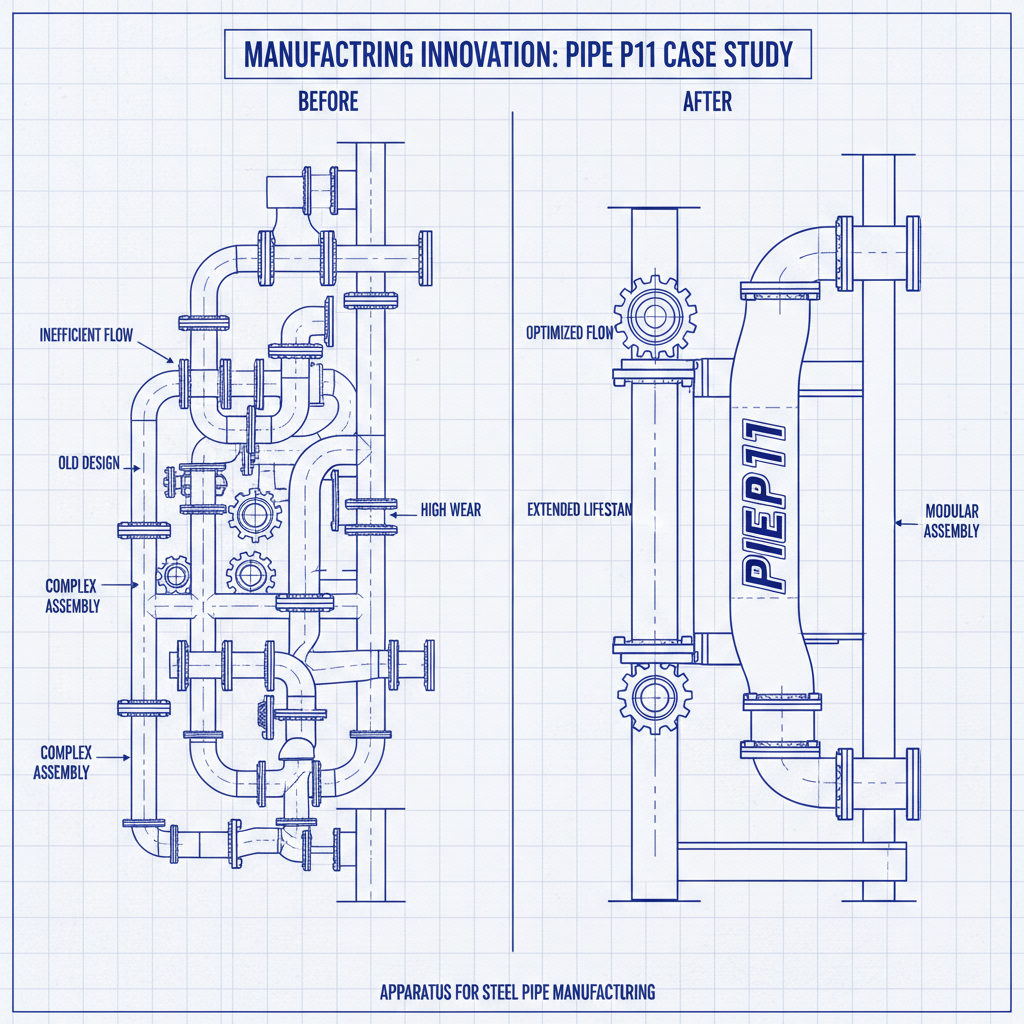
While SA53 pipes have a long legacy, innovation isn’t standing still. Integration with digital tracking for supply chain transparency and automated welding techniques promises tighter tolerances and reduced defects. Green coatings and improved alloy blends may also push their resistance to corrosion and environmental degradation further.
Additionally, as renewable energy grows, SA53 pipes could see increased demand in hydrogen fuel and geothermal projects, which require pipes that handle new types of pressure and temperatures.
Challenges & Solutions
Like any material, SA53 pipes aren’t perfect. Corrosion in aggressive chemical environments or stress corrosion cracking can limit utility. However, modern protective coatings, cathodic protection, and better quality controls during manufacturing mitigate many problems.
Expert insight: scheduling regular inspections and investing in predictive maintenance greatly extends pipe life and reduces surprises in critical systems. Suppliers’ adoption of stricter ASTM testing standards also helps ensure quality.
Frequently Asked Questions About SA53 Pipe
- What applications are best suited for SA53 Grade B pipes?
Grade B pipes are recommended for higher pressure and mechanical applications such as steam, oil, and gas transportation due to their higher yield strength compared to Grade A. - Can SA53 pipes be used underground?
Yes, however, it is important to use proper coatings or galvanization to protect against soil corrosion and moisture, extending the pipe’s operational life. - How long do SA53 pipes typically last?
With proper installation and maintenance, SA53 pipes can last 20 to 50 years, depending on environmental conditions and usage. - Is SA53 pipe suitable for potable water systems?
Generally, yes, but the pipes should comply with local standards and be properly treated to avoid contamination or corrosion. - Where can I source authentic SA53 pipe internationally?
You can source SA53 pipes from verified global suppliers. Check certifications and ASTM compliance, or visit our website: sa53 pipe for trusted vendors and guidance.
Conclusion: Why SA53 Pipe Remains Essential
In real terms, the SA53 pipe is more than just a technical specification; it is foundational to energy security, water delivery, and industrial growth worldwide. Its blend of strength, affordability, and versatility keeps it relevant decades after its introduction. For anyone involved in building or maintaining infrastructure, understanding SA53 pipes is a small investment with big returns.
If you want to explore the right options and get detailed specifications, visit our site here. The right materials choice can redefine your project's success and long-term sustainability.
Mini takeaway: SA53 pipes epitomize practical engineering—offering versatile, durable solutions that quietly sustain modern life’s most vital systems.
References:
Post time: Dec . 02, 2025 15:34

 English
  Arabic
  Bengali
  China
China  French
  German
  Hausa
Hausa  Indonesian
  Italian
  Japanese
  Javanese
  Malay
Malay  Persian
  Portuguese
  Punjabi
  Russian
  Spanish
  Swahili
  Telugu
  Vietnamese