

Understanding ASTM A106 Seamless Pipe: Industrial Backbone in Global Infrastructure
The term ASTM A106 seamless pipe might sound like jargon reserved for engineers or industry insiders, but it’s way more relevant to our daily lives and the global economy than you'd guess. These pipes form the veins and arteries of energy systems, manufacturing plants, and critical water infrastructures worldwide. Grasping their importance isn’t just for technical folks—it unveils how raw materials traverse vast distances safely and efficiently, sustaining modern society in ways that often go unseen.
Global Context: Why ASTM A106 Seamless Pipes Matter Today
The global steel pipe market showcases remarkable growth, driven by expanding energy exploration, industrialization, and infrastructural development. According to recent ISO and World Steel Association data, steel pipeline materials—especially seamless pipes following stringent standards like ASTM A106—are foundational for oil refineries, power plants, and chemical industries across continents.
One core challenge these pipes address is reliable transport under extreme pressures and temperatures. Without the mechanical strength and corrosion resistance outlined in ASTM A106, infrastructure risks failure with devastating economic and environmental repercussions.
What Exactly Is ASTM A106 Seamless Pipe?
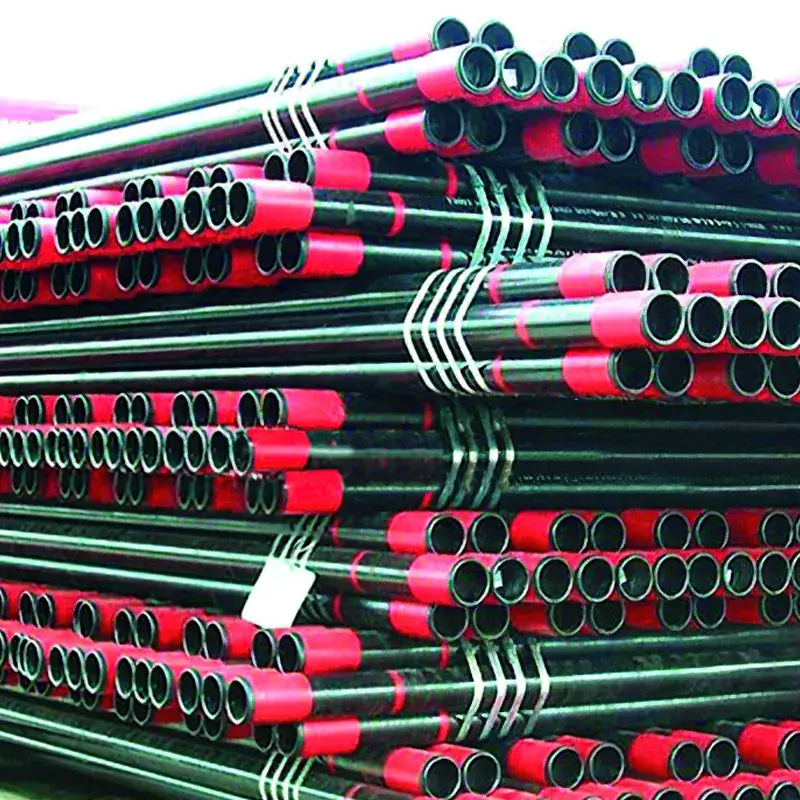
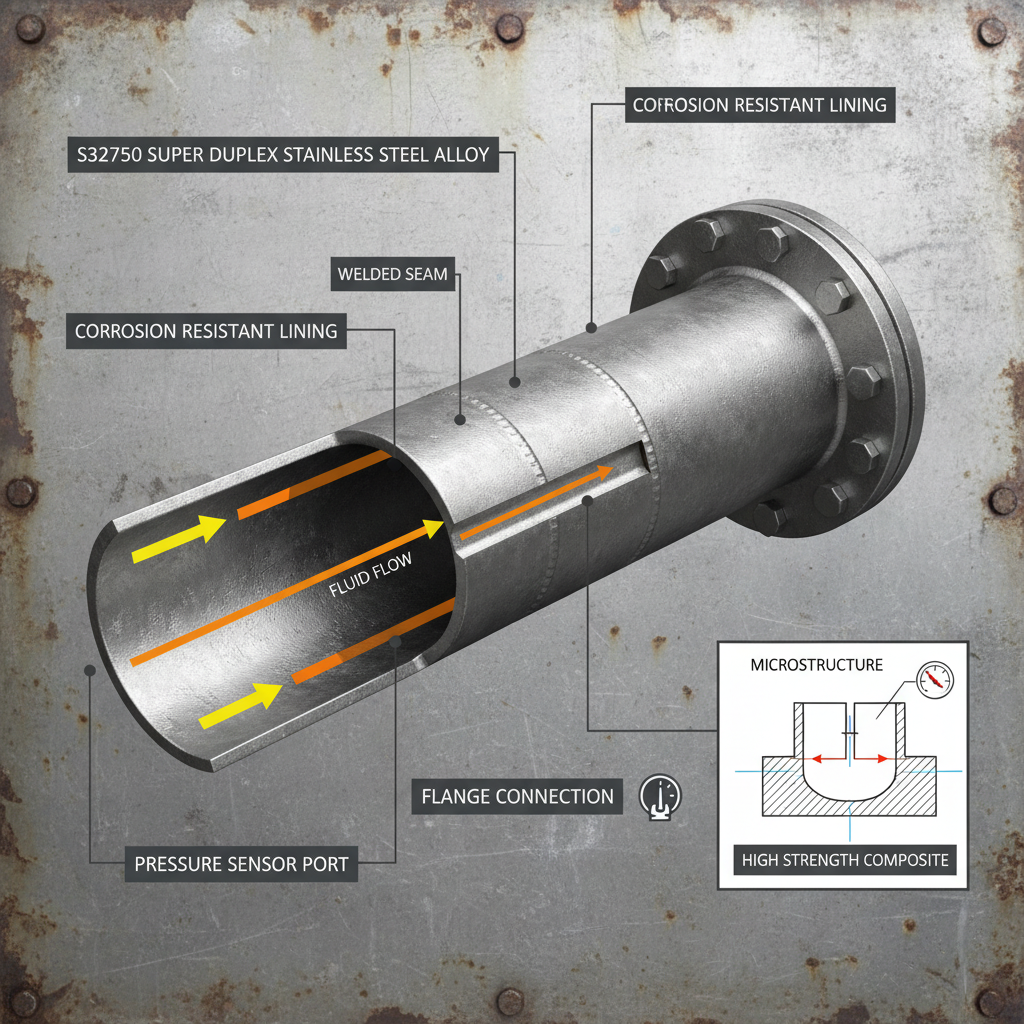
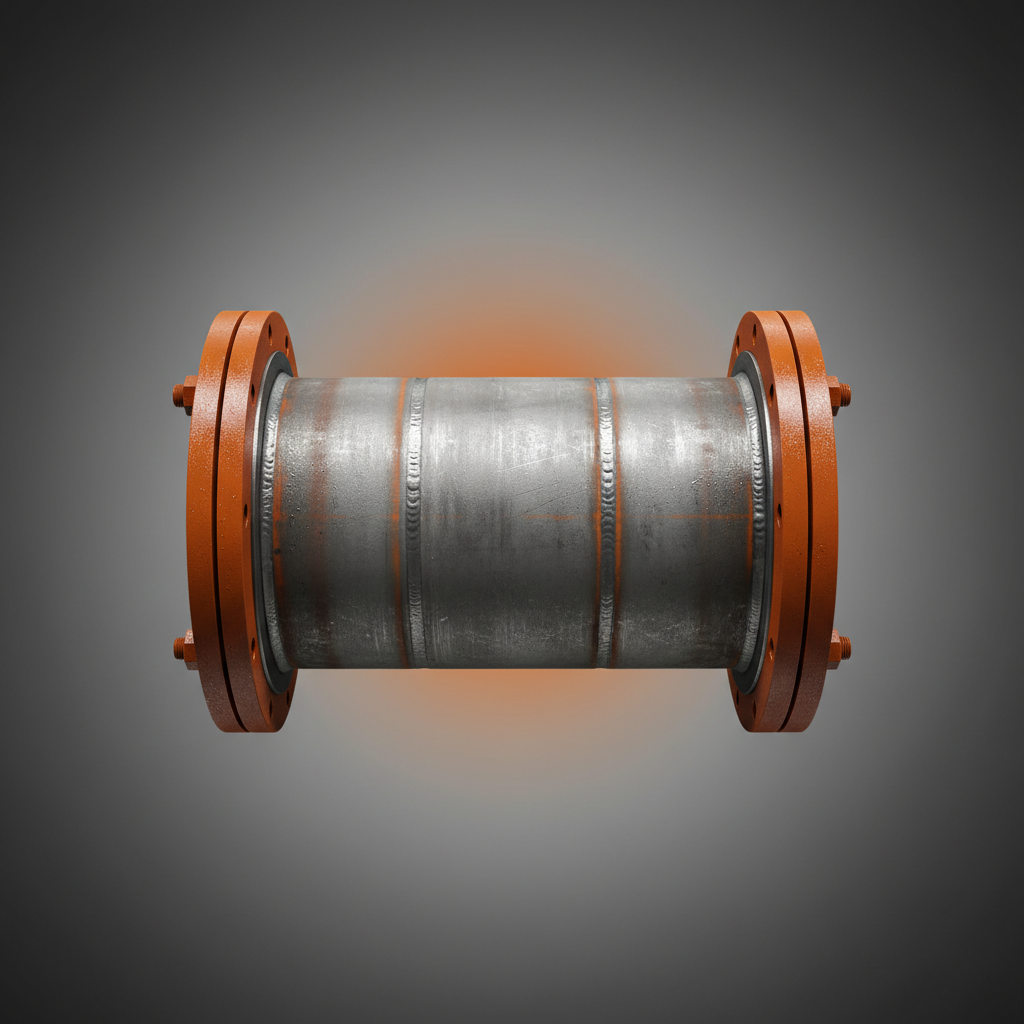
The short version: ASTM A106 seamless pipes are carbon steel pipes manufactured without welds, conforming to a specification by ASTM International. They are meant for high-temperature service, mostly in industries like oil and gas transmission, and power plants. The “seamless” nature means they’re formed from a single piece of steel, ensuring strength and uniformity. They help move liquids and gases efficiently and safely, which is essential for modern industrial operations and humanitarian projects requiring dependable infrastructure.
Core Features of ASTM A106 Seamless Pipes
- High Temperature Resistance: Able to operate continuously in tough thermal environments, vital for refineries and boilers.
- Mechanical Strength: Seamless production results in better strength and reduced risk of leakages under pressure.
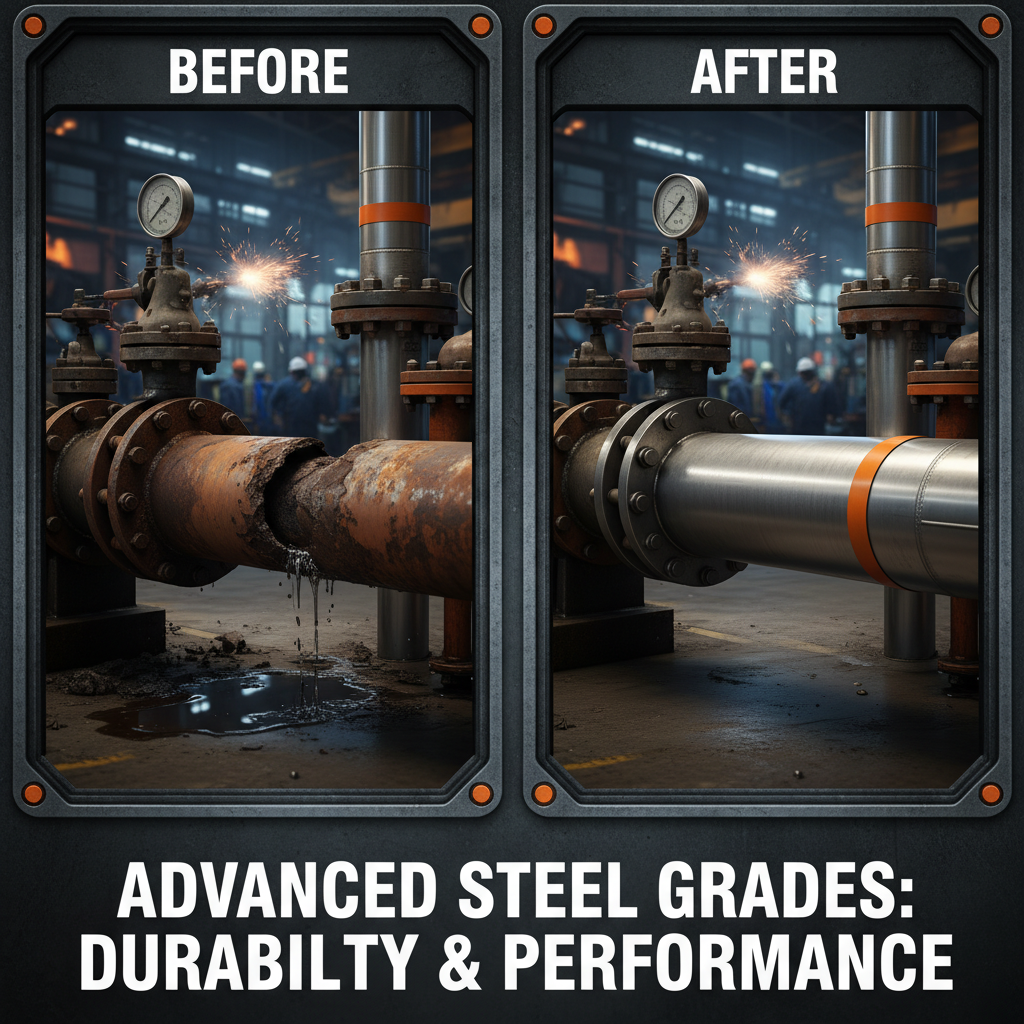
- Corrosion Resistance: Though carbon steel isn’t stainless, special treatments and coatings extend pipe life in corrosive environments.
- Dimensional Accuracy: Tight manufacturing tolerances allow for precise fitting in complex industrial layouts.
- Versatility: Available in various grades (A, B, and C) for different pressure and temperature ranges.
These factors together translate into pipes that support heavy-duty industrial needs, something many sectors rely on silently every day.
Product Specification Table: ASTM A106 Seamless Pipe (Grade B)
| Parameter | Specification |
|---|---|
| Material | Carbon Steel |
| Sizes | ⅜” to 48” OD |
| Temperature Range | -50°C to 425°C |
| Tensile Strength | 60 ksi (414 MPa) min. |
| Yield Strength | 35 ksi (241 MPa) min. |
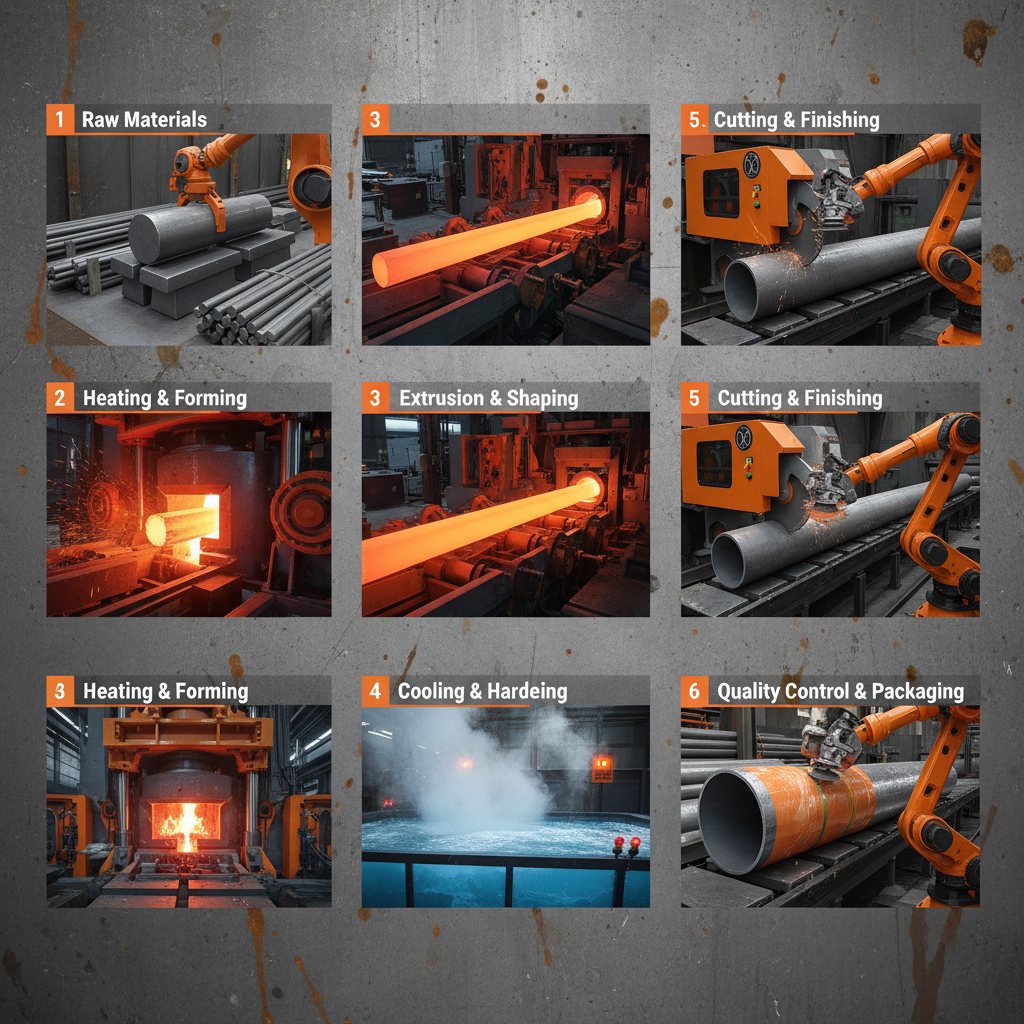
| Manufacturing Process | Hot-rolled seamless |
Global Applications: Real-World Use Cases
ASTM A106 seamless pipes are vital in several scenarios:
- Oil & Gas Industry: Transporting crude oil and natural gas across continents, particularly through high-pressure pipelines traversing harsh temperatures in Russia, Canada, and the Middle East.
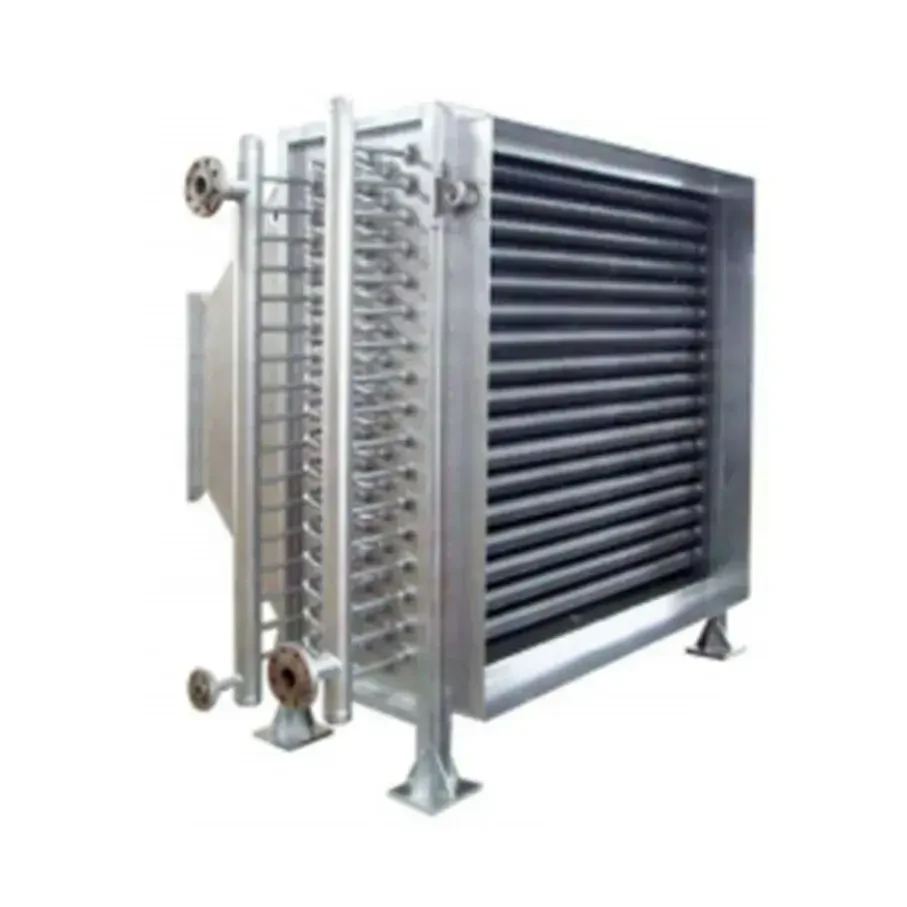
- Power Generation: Used in fossil fuel power plants—boiler tubes and heat exchangers require pipes that withstand high pressure and heat.
- Chemical Plants: For pipelines carrying corrosive materials, provided coatings and maintenance are sufficient.
- Disaster Relief & Infrastructure: In remote industrial zones or post-disaster rebuilding, reliable pipes like ASTM A106 enable rapid deployment of essential utilities.
One interesting note: industries in developing economies increasingly rely on certified ASTM pipes to meet international standards and attract foreign investments.
Vendor Comparison: ASTM A106 Seamless Pipe Suppliers
| Supplier | Product Range | Certification | Typical Lead Time | Geographic Reach |
|---|---|---|---|---|
| World Steel Material | Complete ASTM A106 range | ISO 9001, ASTM | 2-4 weeks | Global |
| SteelCo International | Mostly small to medium sizes | ASTM Certified | 3-5 weeks | Americas, Asia |
| Global Steel Works | Limited high temp grades | ISO 14001 | 4-6 weeks | Europe, Middle East |
Advantages & Long-Term Impact of ASTM A106 Pipes
Frankly, these pipes offer value far beyond their steel makeup. First, they’re a cost-effective solution in building robust infrastructure that lasts decades without frequent replacements. Their ability to handle high-pressure, high-temperature environments reduces costly downtime and enhances worker safety—always a priority in industrial zones.
Environmentally, improved manufacturing standards and longer service lives mean fewer resources consumed and less waste generated. That dovetails nicely with industry moves toward sustainability.
On a more emotional level, these pipes underpin systems that deliver clean water, energy, and transportation—key to enhancing safety and dignity worldwide.
Emerging Innovations & Future Outlook
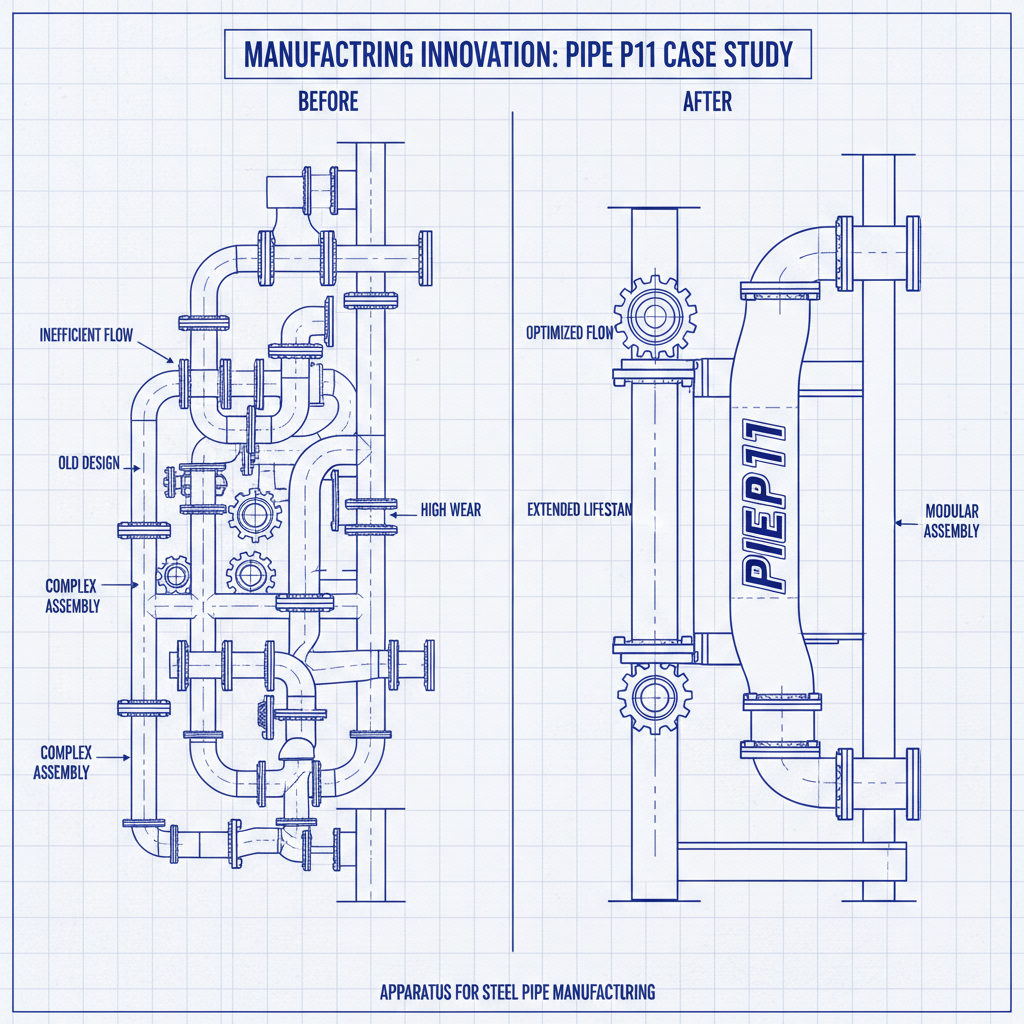
Looking ahead, I find it fascinating how digitalization and automation are penetrating steel pipe manufacturing. “Smart pipes” embedded with IoT sensors for predictive maintenance are slowly becoming a reality. Simultaneously, greener production methods—including electric arc furnace steelmaking—are reducing carbon footprints.
Also, alternative materials and alloys complement ASTM carbon steel pipes for niche applications, but the familiar reliability of ASTM A106 seamless pipes keeps them front and center for most industrial needs.
Challenges & Expert Solutions
Of course, no technology is perfect. Corrosion remains a pesky issue, especially in harsh marine or chemical environments. The solution often involves specialized coatings and cathodic protection systems. I’ve also heard suppliers emphasize meticulous inspection regimes—ultrasonic testing, radiography—to detect flaws early.
Lead times and customization can sometimes delay projects, but closer partnerships with vendors and modular design thinking help smooth things out.
FAQ: Your ASTM A106 Seamless Pipe Questions Answered
- What differentiates ASTM A106 seamless pipes from welded pipes?
ASTM A106 seamless pipes lack weld seams, offering superior pressure handling and reduced risk of leaks—key for safety-critical applications. - Can ASTM A106 pipes be used in cold climates?
Yes, the pipes can handle temperatures down to -50°C, but choosing the right grade and applying appropriate treatments ensures peak performance. - How do I confirm the authenticity of ASTM A106 pipes?
Choose suppliers with ISO and ASTM certifications and demand material test reports (MTRs) matching ASTM standards. - Are these pipes recyclable?
Absolutely. Carbon steel is highly recyclable, and recycling reduces environmental impact compared to new steel production. - Where can I source ASTM A106 seamless pipes for international projects?
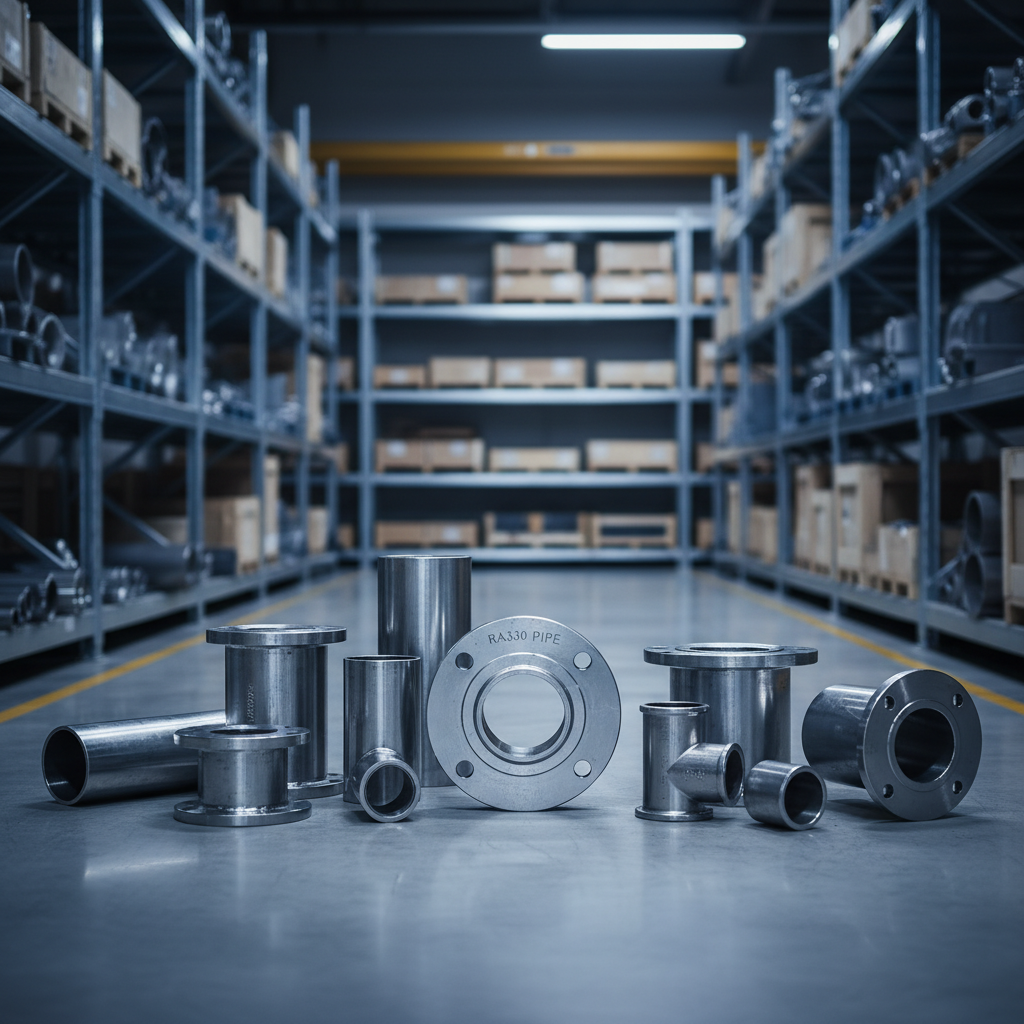
Reputable vendors with global reach—like World Steel Material—facilitate international shipping, customs, and compliance.
Conclusion: The Underrated Pillars of Industrial Progress
In real terms, ASTM A106 seamless pipes aren’t just steel tubes—they symbolize trusted infrastructure crucial to the world's industrial heartbeat. Their strength, precision, and resilience make them foundational for countless critical operations. If you’re involved in infrastructure, energy, or manufacturing sectors, understanding and sourcing quality ASTM A106 pipes remains a smart, long-term investment.
Want to learn more or get a quote? Visit World Steel Material — a trusted supplier dedicated to quality and global service.
Mini takeaway: Reliable pipeline infrastructure needs strong materials — ASTM A106 seamless pipes deliver that blend of strength, durability, and global availability.
References:
1. Wikipedia: ASTM A106
2. World Steel Association Statistics
3. ISO Standards for Steel Pipes
Post time: Dec . 02, 2025 15:20
 English
  Arabic
  Bengali
  China
China  French
  German
  Hausa
Hausa  Indonesian
  Italian
  Japanese
  Javanese
  Malay
Malay  Persian
  Portuguese
  Punjabi
  Russian
  Spanish
  Swahili
  Telugu
  Vietnamese