

a106grb: Essential Insights into a Global Industrial Standard
Every once in a while, certain materials quietly but profoundly impact the infrastructure that forms the backbone of modern society. a106grb is one such material, playing a vital role across industries worldwide. Whether you're in oil and gas, construction, or heavy manufacturing, understanding a106grb isn’t just technical jargon—it’s about grasping a key piece of the puzzle that supports pipelines, pressure vessels, and more. Globally, the durability and reliability of this grade influence safety standards, economic efficiency, and long-term sustainability.
Introduction: Why a106grb Still Matters in Today’s Industry
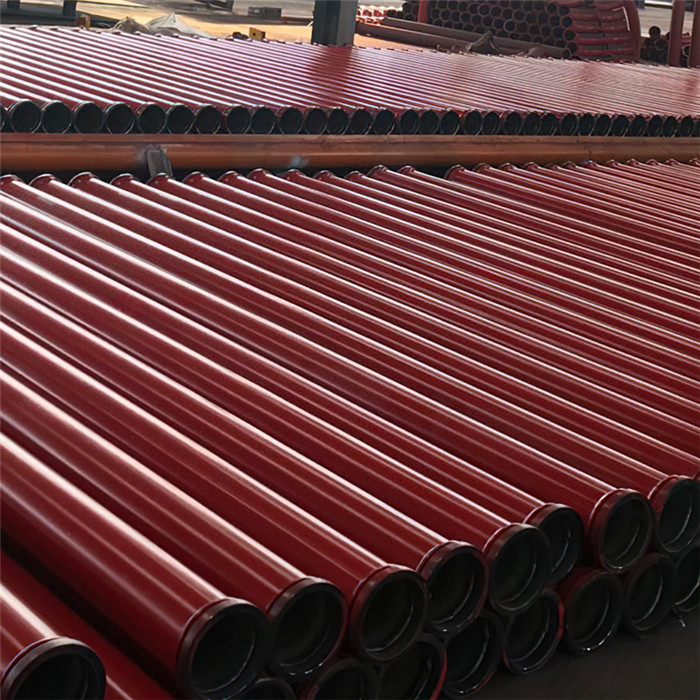
To start, a106grb is a type of carbon steel pipe standardized under ASTM A106 Grade B specification, predominantly used for high-temperature service. According to the International Organization for Standardization (ISO) and data from the United Nations industrial reports, carbon steel remains one of the most commonly used materials in energy infrastructure globally. Roughly 60% of oil and gas pipelines rely on steel grades similar to a106grb due to their resilience under intense pressure and temperatures.
Yet, the challenge is ongoing: industries must address corrosion, material fatigue, and environmental impact. This is where a106grb pipes enter the conversation—they offer a balance of mechanical strength and workability that isn’t easily matched. It’s a critical piece in the puzzle for keeping energy flowing safely and efficiently across regions prone to geological or climatic stresses.
What Exactly Is a106grb?
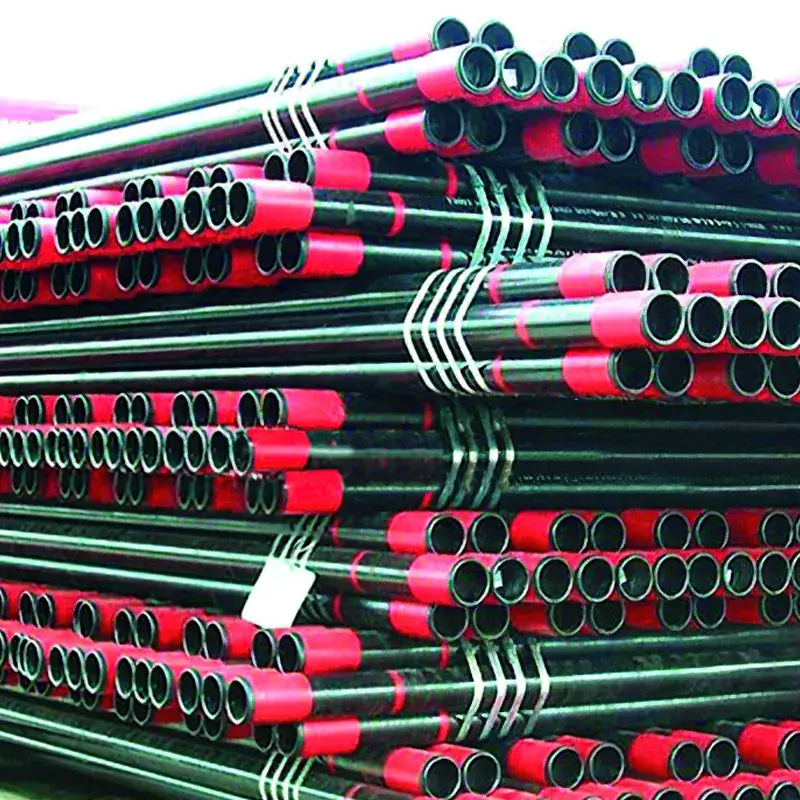
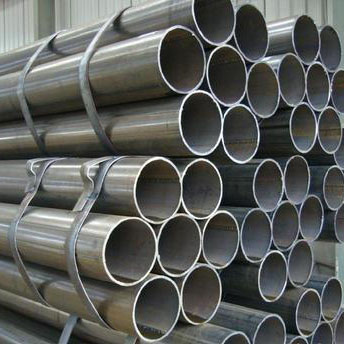
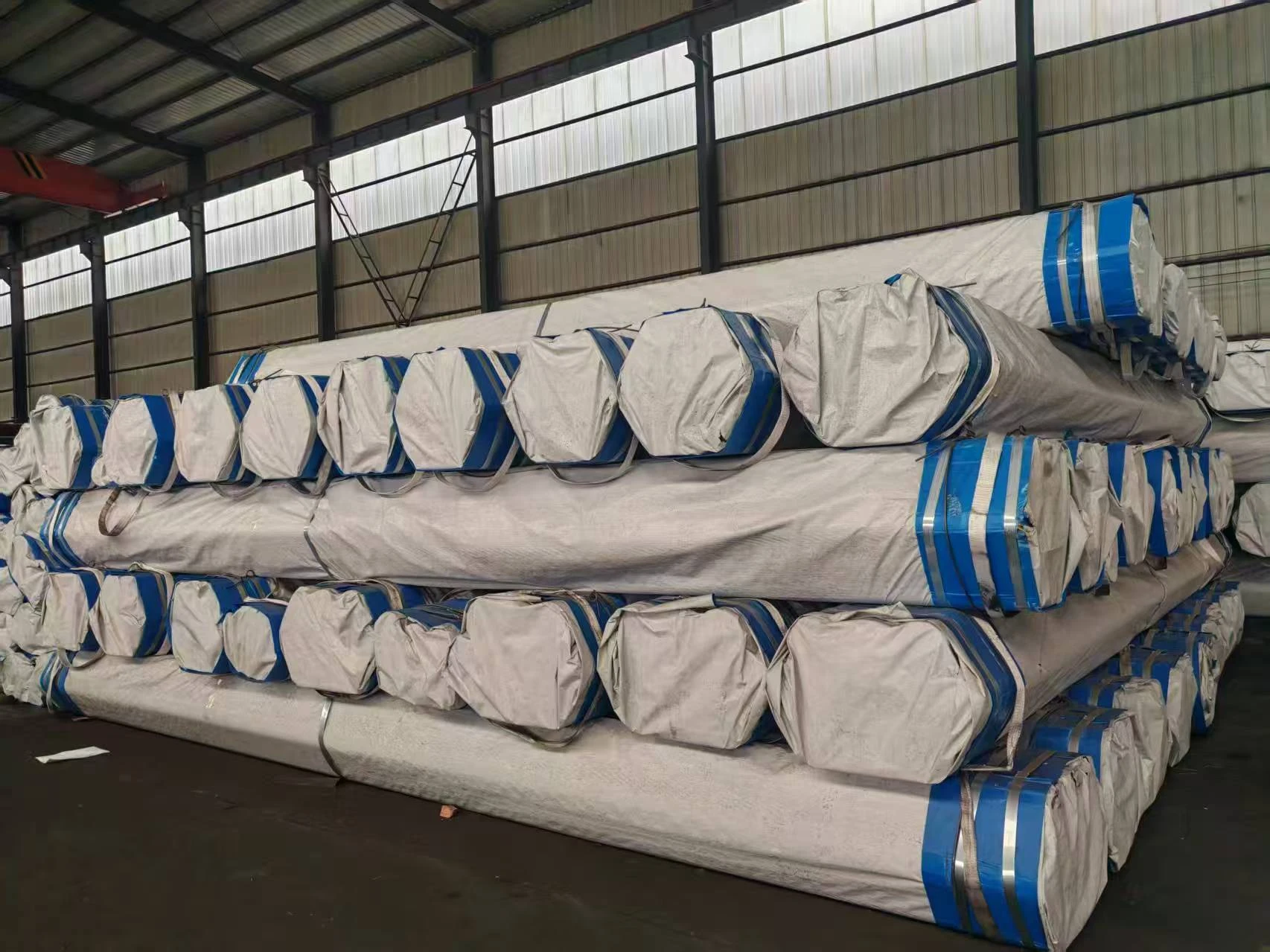
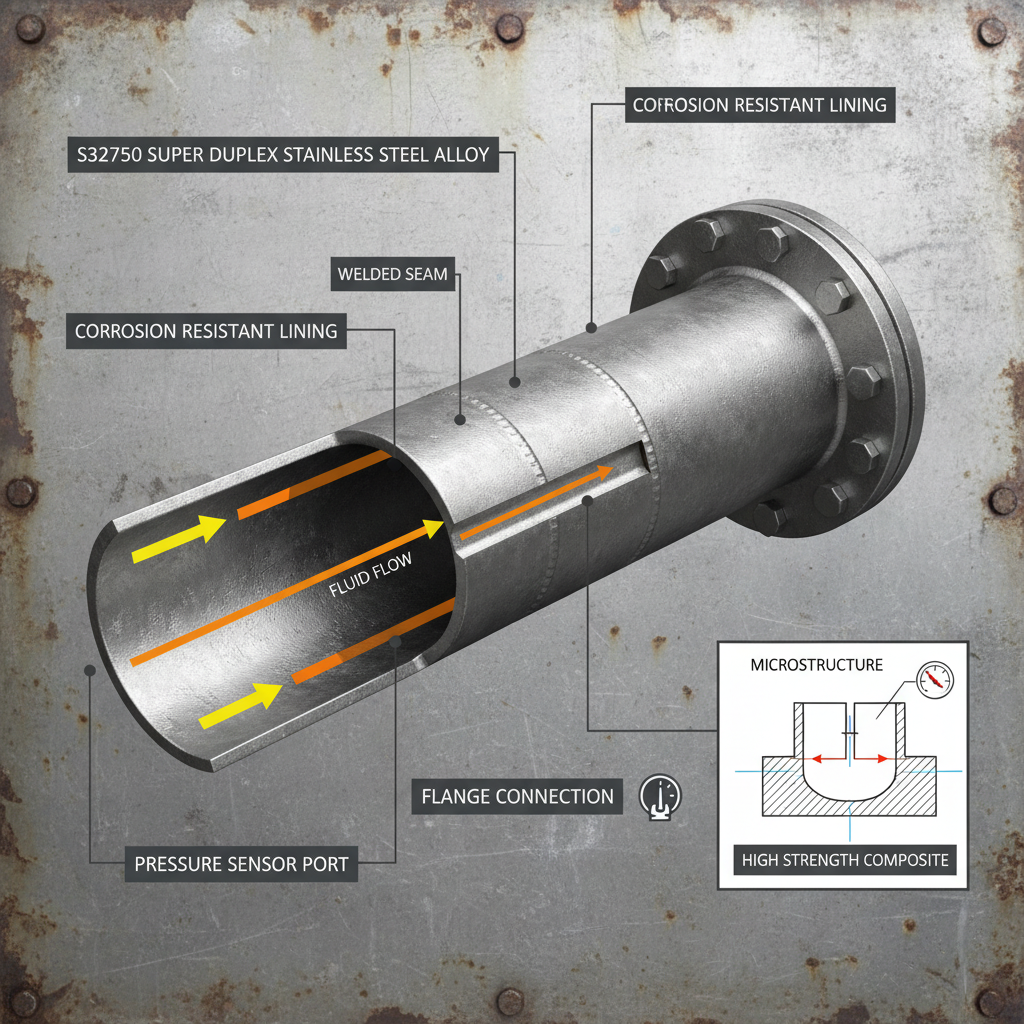
In simple terms, a106grb refers to carbon steel pipe manufactured to ASTM A106 Grade B standards. The "Grade B" part signifies a specific range of chemical composition and mechanical properties, including tensile strength and yield point. These pipes are seamless, meaning they lack any welded seams, which enhances their integrity, especially under high pressure or corrosive environments.
Nowadays, industries rely on a106grb not only for its physical robustness but because it meets key safety regulations globally. You’ll find it in pipelines transporting oil, gas, and steam, as well as in power plants and refineries. The humanitarian angle is interesting too: in disaster-affected regions, speedy pipeline repairs using standardized materials like a106grb can restore critical utilities, directly impacting people’s livelihoods and well-being.
Key Factors Defining a106grb’s Utility
1. Durability Under High Temperature and Pressure
A106grb pipes can reliably withstand temperatures up to 750°F (about 400°C). This durability makes them essential in environments where heat and pressure are constant threats—think refineries or power generation plants.
2. Corrosion Resistance and Maintenance
While not stainless steel, the carbon content and controlled sulfur/phosphorus levels in a106grb provide reasonable resistance to corrosion, especially when paired with protective coatings or cathodic protection systems.
3. Fabrication & Weldability
Many engineers appreciate a106grb for its ease of fabrication. It bends well, welds cleanly, and can be custom-cut for complex pipeline networks without compromising pipeline integrity.
4. Cost Efficiency Compared to Alternatives
It’s frequently the most economical choice for high-temperature piping needs, striking a balance between performance and budget constraints—vital in large infrastructure projects.
5. Compliance & Industry Standards
Conformity with ASTM specifications assures users they’re dealing with material tested for uniformity and documented quality—critical when compliance frameworks tighten worldwide.
Typical Specifications of a106grb Pipes
| Property | Value | Unit |
|---|---|---|
| Yield Strength | ≥ 35,000 | psi |
| Tensile Strength | 60,000 - 75,000 | psi |
| Maximum Temperature | 750 | °F |
| Carbon Content | 0.30 max | % |
Comparing Popular a106grb Suppliers
| Vendor | Location | Lead Time | Price Range (per ton) | Certifications |
|---|---|---|---|---|
| SteelWorks Inc. | USA | 2-3 weeks | $700 - $850 | ASTM, ISO 9001 |
| Global Pipes Ltd. | Germany | 3-4 weeks | $750 - $900 | DIN EN, ISO 14001 |
| Eastern Steel Supply | China | 4-6 weeks | $600 - $780 | GB/T, ISO 9001 |
Global Applications & Use Cases of a106grb Pipes
Because of its versatility and dependability, a106grb pipes turn up all over the map:
- Oil and Gas Transmission: In the Middle East and North America, a106grb pipes are fundamental for long-distance crude oil and natural gas pipelines.
- Power Plants: Steam transmission lines in coal and nuclear plants use this grade for its heat resistance.
- Chemical Industry: Enduring corrosive substances without rapid degradation matters a lot, making a106grb a preferred choice in chemical plants globally.
- Post-Disaster Infrastructure Repair: In areas hit by earthquakes or floods, rapid pipeline repairs with standardized pipes ensure the restoration of essential services.
It’s kind of interesting how the same material used to carry fuel thousands of miles away might be the lifeline in a remote industrial zone reconstructing after a natural disaster. Funny how industry and humanitarian efforts sometimes share core tools.
Advantages & Long-Term Value of a106grb
It’s easy to list these pipes’ mechanical specs, but the real value is in what they enable:
- Reliability & Safety: Preventing leaks or ruptures protects people and ecosystems.
- Economic Efficiency: Reduces downtime and maintenance costs, which translates to fewer interruptions and financial savings.
- Environmental Impact: When properly coated and maintained, these pipes minimize leak-related pollution.
- Trust: Global industries trust a106grb thanks to decades of proven performance under strict quality controls.
Future Trends & Innovations Related to a106grb
Looking ahead, the a106grb standard isn’t static. Innovations include:
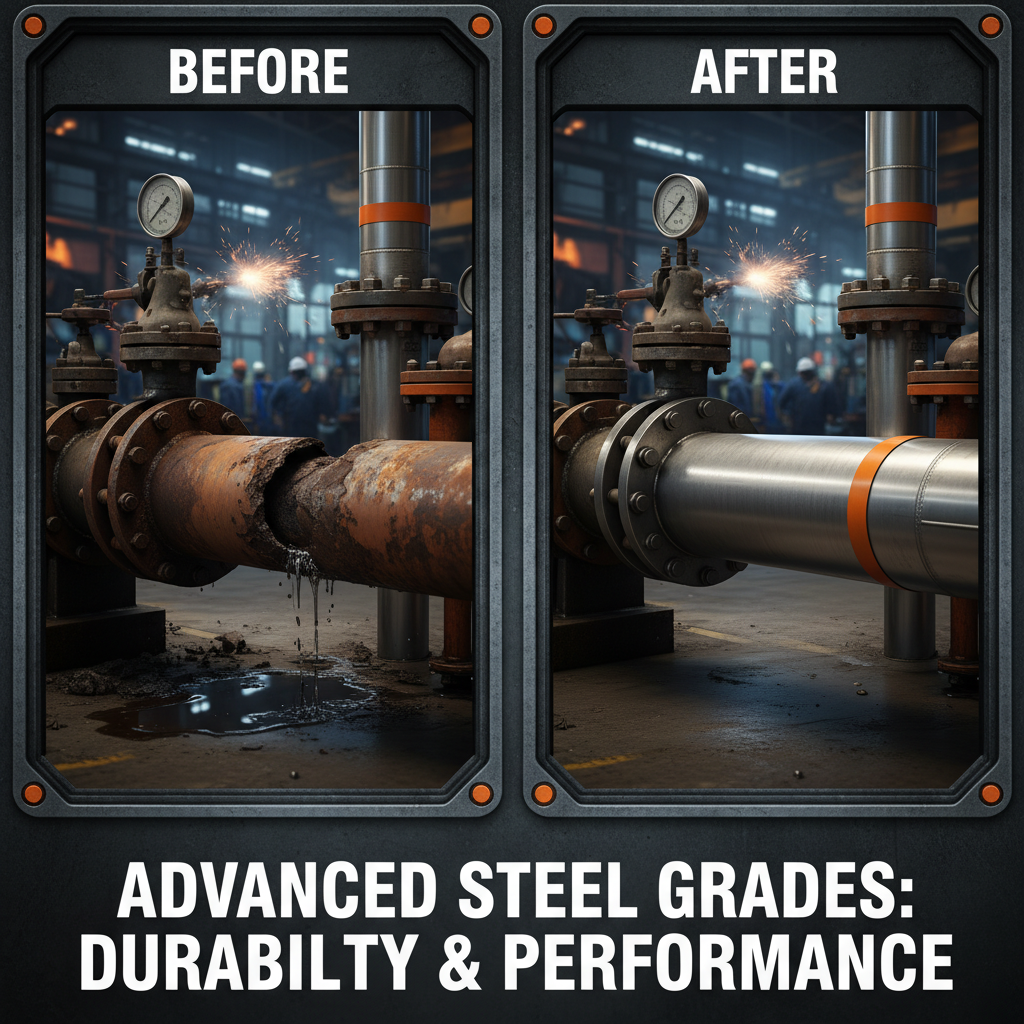
- Advanced Coatings: New anti-corrosion technologies are extending pipe lifespans dramatically.
- Digital Monitoring: Sensors embedded in pipelines track stress and wear in real-time, predicting maintenance needs before failure.
- Green Energy Applications: As hydrogen pipelines scale up, modified versions of a106grb are under development to safely transport alternative fuels.
- Material Recycling: Circular economy approaches encourage reusing steel pipes and rolling out eco-friendlier production methods.
Challenges & Emerging Solutions
Sure, a106grb isn’t flawless. Some challenges include:
- Corrosion issues, especially in harsh marine environments.
- Weight and logistics difficulty in remote installation sites.
- Potential brittleness at very low temperatures.
But cutting-edge solutions are closing gaps: innovative lining materials, lightweight composite reinforcements, and refined steel alloys are all making pipes stronger and more adaptable.
FAQ: Frequently Asked Questions About a106grb
- What industries most commonly use a106grb?
- Primarily oil and gas transmission, power generation, and chemical processing industries use a106grb pipes due to their heat resistance and mechanical strength.
- Can a106grb pipes be customized for specific projects?
- Absolutely. These pipes can be fabricated to different diameters, wall thicknesses, and lengths, often tailored during production to suit project needs.
- How long can a106grb pipes last in harsh conditions?
- With proper maintenance and protective coatings, these pipes can last 20–30 years or more, though environmental factors heavily influence durability.
- Is a106grb suitable for transporting renewable energy carriers like hydrogen?
- Standard a106grb is mostly designed for hydrocarbons, but research is underway to adapt steel grades for hydrogen transport, involving strict safety testing.
- Where can I buy reliable a106grb products?
- Reputable suppliers include a106grb vendors certified under ASTM and ISO standards. Comparing lead times and pricing is wise before ordering.
Conclusion: Why Understanding a106grb Still Pays Off
To wrap things up: a106grb remains one of the quiet workhorses of the global industrial scene. It’s a testament to engineering balance—providing strength, reliability, and affordability without too many gimmicks. For anyone involved in infrastructure projects, knowing your way around this specification isn’t optional; it’s essential. Whether you’re restoring utilities after a crisis or designing the next pipeline, a106grb will likely be in the conversation.
So, if you’re looking for trustworthy supply chains or detailed specs, swing by our website: https://www.world-steelmaterial.com. It’s a good starting point to make sure you’re sourcing material that meets your exacting needs.
Oddly enough, the more you dig into a106grb, the more you realize that beneath its technical label is a material quietly holding up industries, communities, and progress itself.
Mini Takeaway: a106grb pipes blend durability, cost-efficiency, and global availability—aligning industry demands with evolving sustainability and safety requirements.
References
Post time: Dec . 02, 2025 00:40
 English
  Arabic
  Bengali
  China
China  French
  German
  Hausa
Hausa  Indonesian
  Italian
  Japanese
  Javanese
  Malay
Malay  Persian
  Portuguese
  Punjabi
  Russian
  Spanish
  Swahili
  Telugu
  Vietnamese