

Understanding a519 4130: The Backbone of Industrial Steel Applications
Having spent more than a decade working in the industrial equipment sector, I’ve seen my fair share of steel grades come and go—some promising more than they deliver, others quietly powering critical machinery for years. a519 4130 belongs firmly in that second camp. It’s one of those alloys that, frankly, often gets overlooked outside the engineer circles but plays a pivotal role, especially in high-pressure and structural tubing.
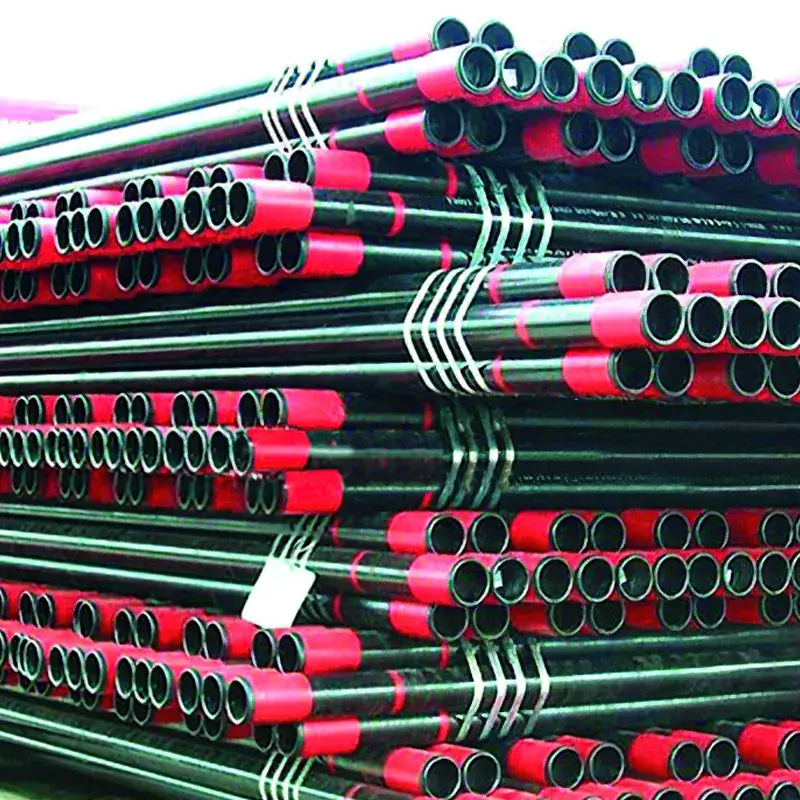
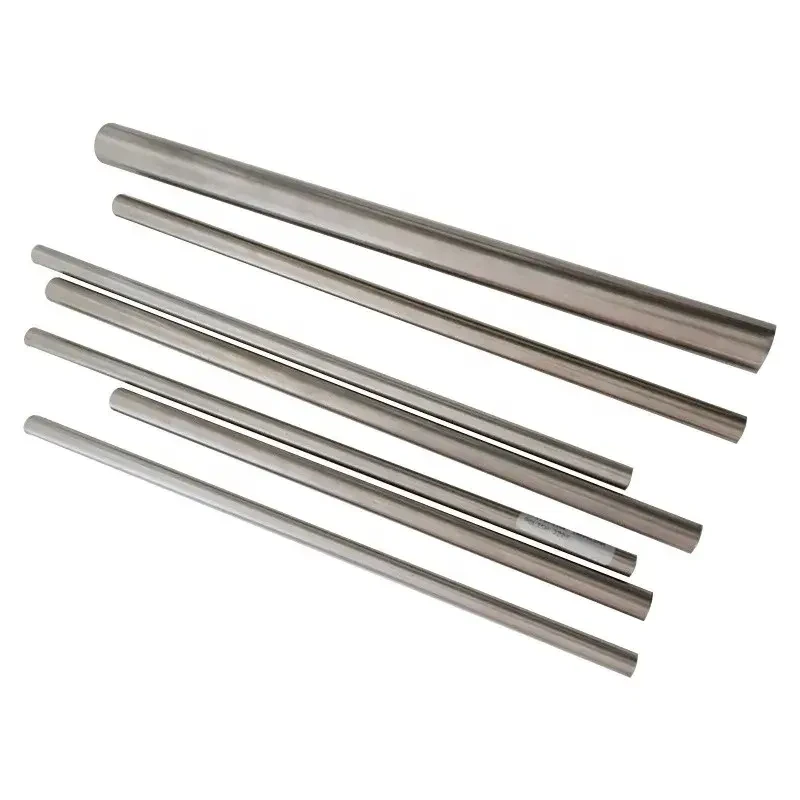
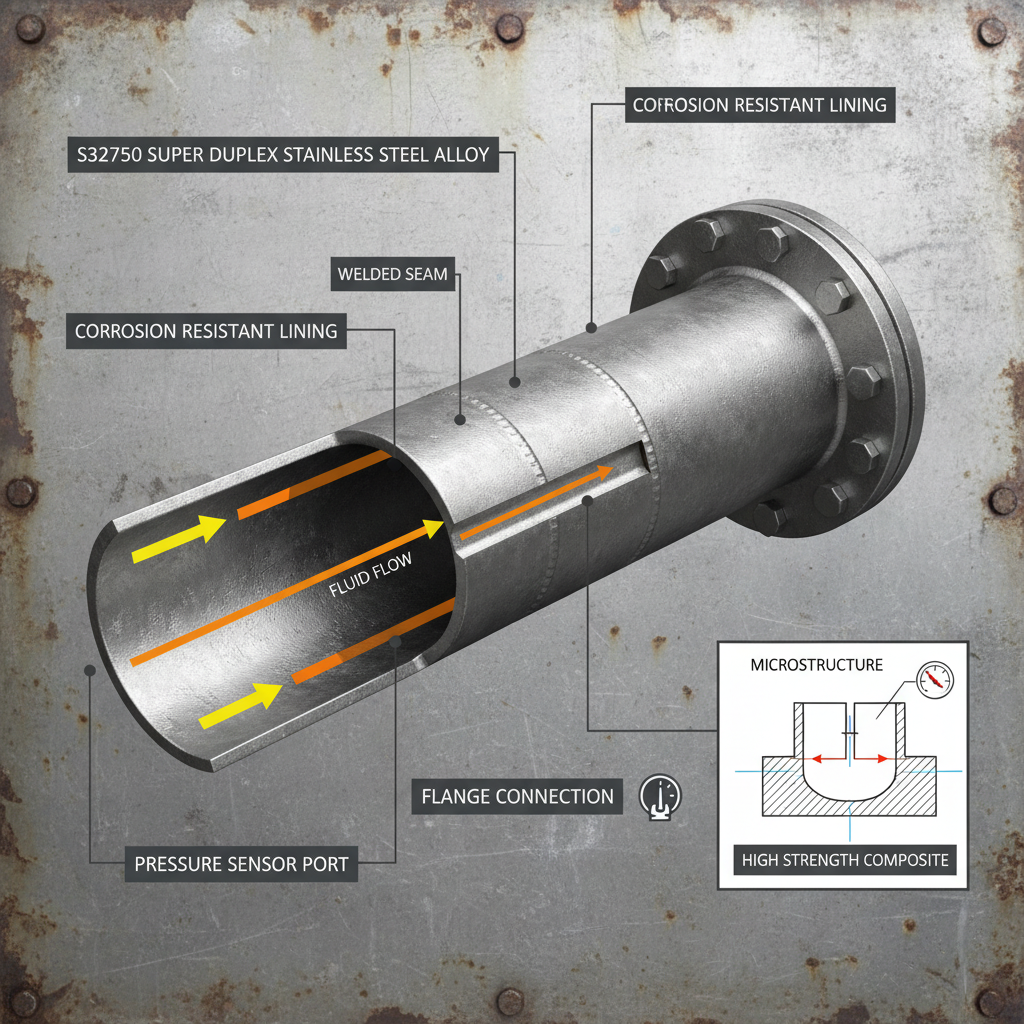
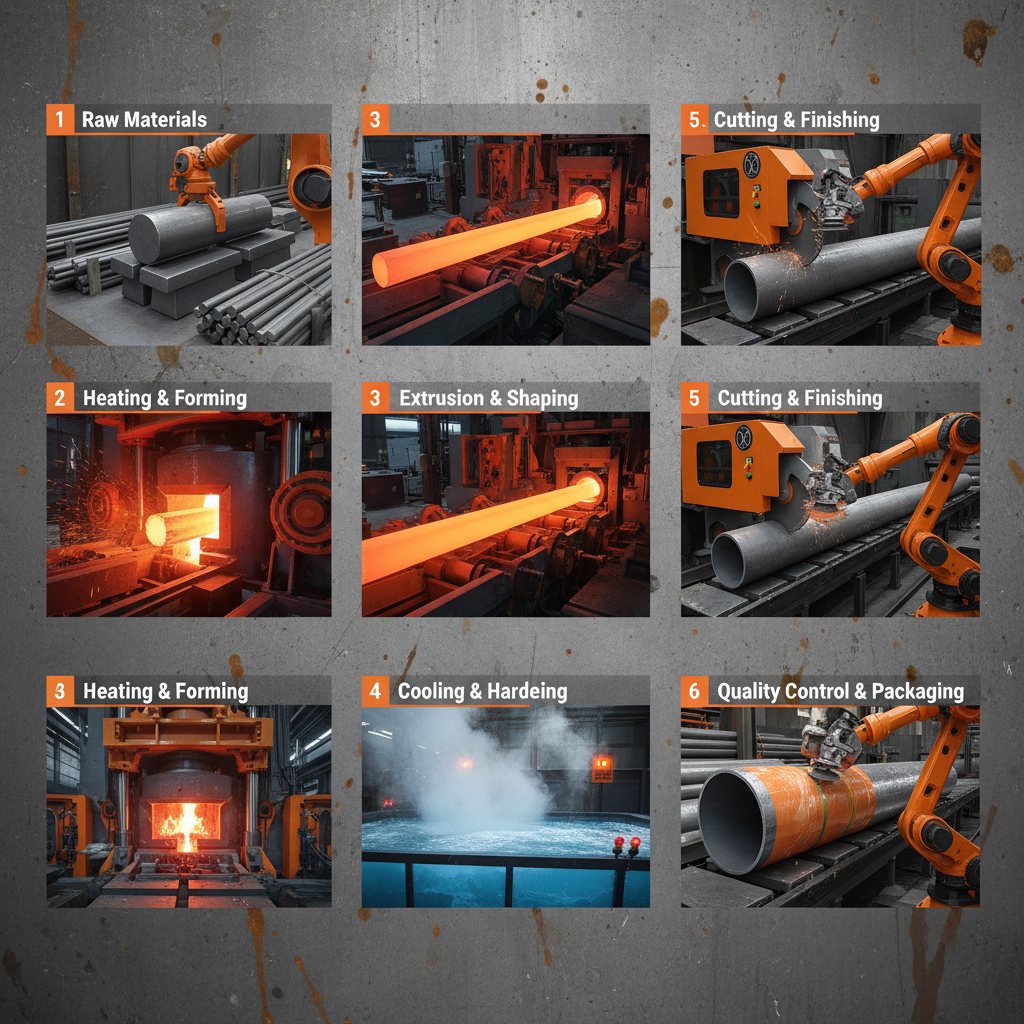
In real terms, 4130 steel is a low-alloy chromium-molybdenum steel that strikes a superb balance between strength, toughness, and weldability. When processed according to A519 standards, it’s usually delivered as cold-finished or hot-finished seamless tubing meant for mechanical and structural applications. Oddly enough, it seems simple on paper, yet the nuanced control of chemistry and heat treatment turns it into something quite dependable.
Over the years, I noticed many engineers appreciate its versatility—it’s strong but still fairly easy to machine and weld compared to other high-strength steels. A good friend once told me about a client who relied heavily on 4130 tubular components for a custom hydraulic system. They had tried other steels but found 4130 offered the best fatigue resistance without becoming overly brittle. It’s that sort of day-to-day reliability that makes a difference, even if it’s not flashy.
Why 4130 Steel in A519 Standard?
The A519 specification from ASTM defines the chemical and mechanical properties required for seamless alloy steel mechanical tubing. The key takeaway: it ensures consistent quality for industrial parts where strength cannot be compromised.
4130 steel contains approximately 0.30% carbon, 0.8-1.1% chromium, and 0.15-0.25% molybdenum. These small additions improve hardenability and toughness. Plus, chromium adds corrosion resistance, which is mildly beneficial in some industrial atmospheres. In my experience, this slight corrosion resistance combined with great mechanical property control is why it’s preferred in aerospace tubing, cranes, and even automotive roll cages.
| Property | Typical Value | Units |
|---|---|---|
| Carbon (C) | 0.28 - 0.33 | % |
| Chromium (Cr) | 0.80 - 1.10 | % |
| Molybdenum (Mo) | 0.15 - 0.25 | % |
| Tensile Strength | 75 - 95 | ksi |
| Yield Strength | 55 - 75 | ksi |
| Elongation | 20 - 25 | % |
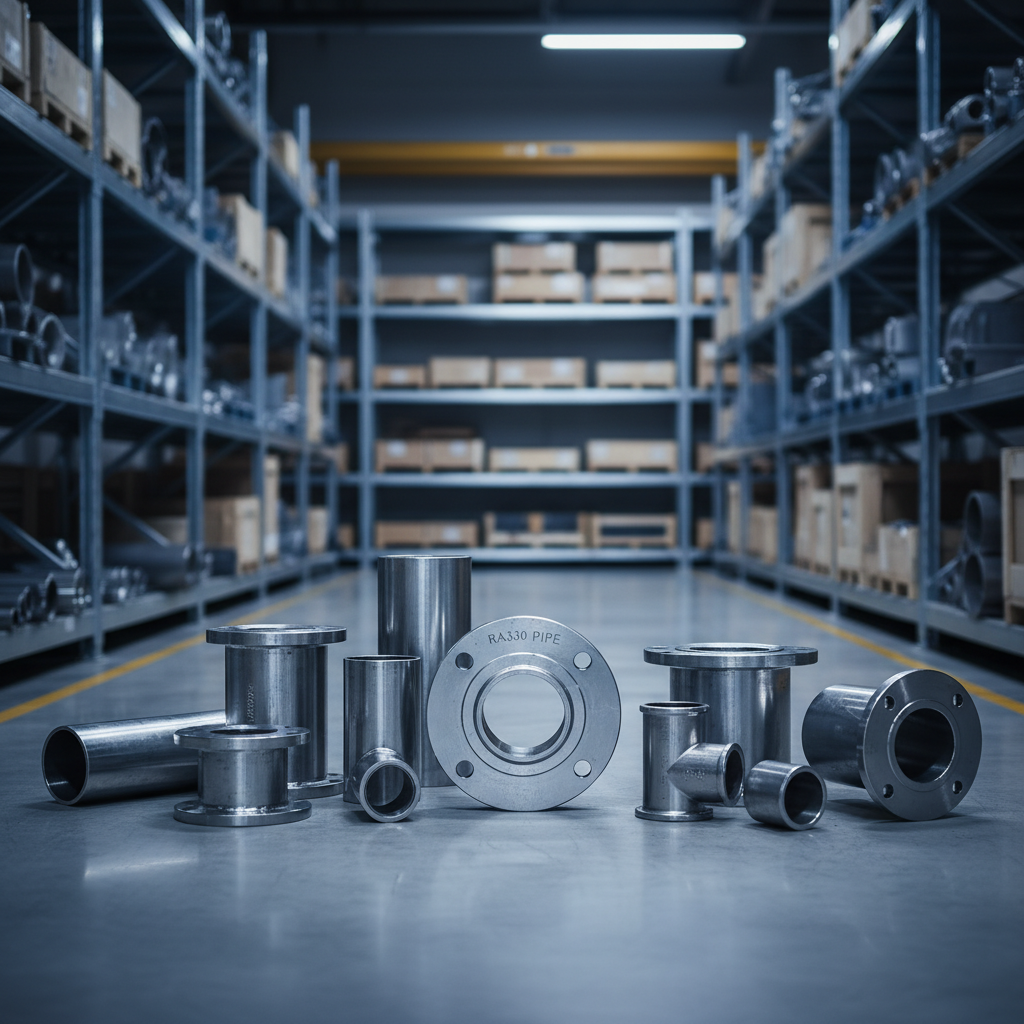
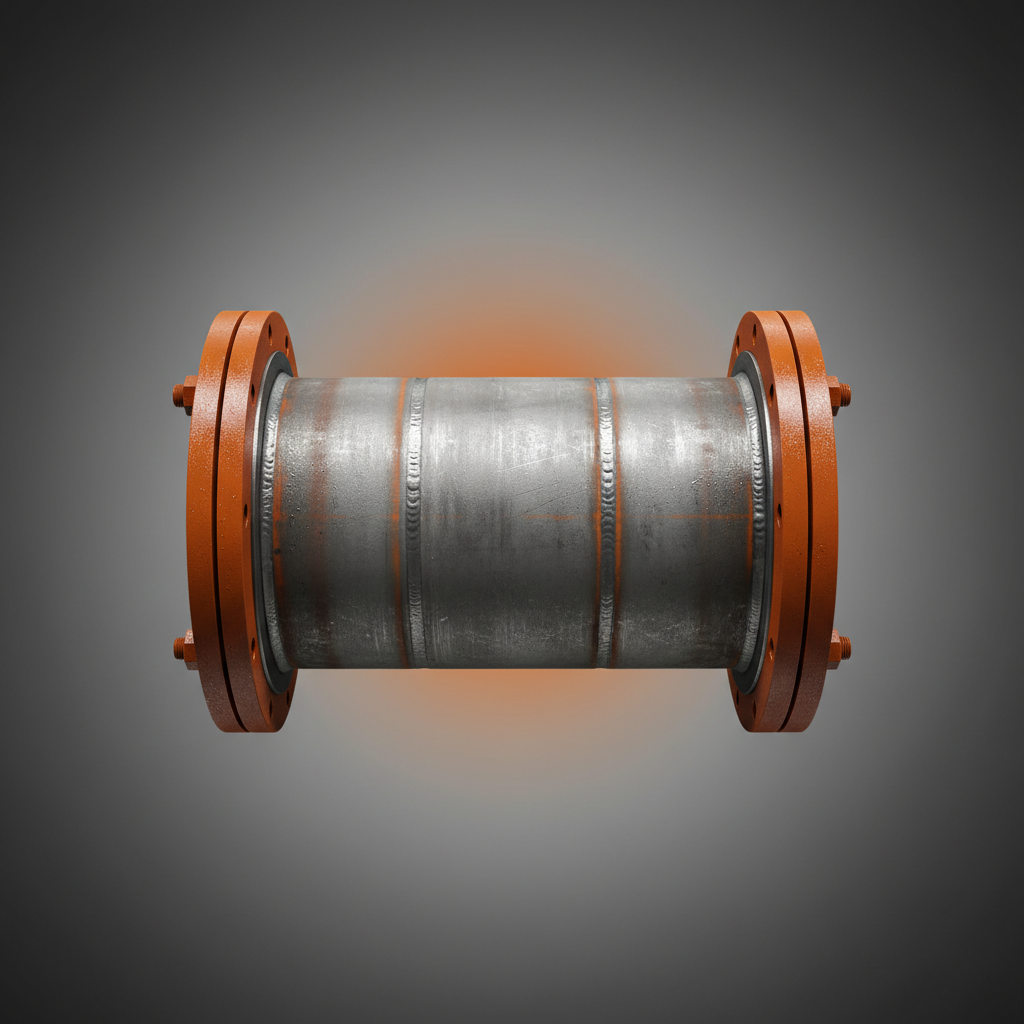
One thing that isn’t always emphasized: a519 4130 tubing can be customized in diameter, thickness, and finish. This flexibility allows manufacturers to optimize material use while meeting precise design tolerances. I recall a single project for a heavy lift crane where custom thick-wall 4130 tubing was the only feasible choice for combining strength and weight constraints.
Comparing Leading Vendors of A519 4130 Tubing
Choosing the right supplier can be as critical as choosing the material itself. Based on my experience and industry chatter, here’s a quick vendor comparison to keep in mind:
| Vendor | Material Certification | Customization Options | Lead Time | Typical Applications |
|---|---|---|---|---|
| World Steel Material | ASTM A519 Certified | Diameter & thickness range, finishes | 2-4 weeks | Hydraulics, Aerospace, Structural |
| Steel Alloy Pros | Certified, In-house testing | Limited custom sizes | 3-5 weeks | Automotive, Machinery |
| MetalWorks Ltd. | Third-party certified | Standard sizes only | 1-3 weeks | General Fabrication |
Frankly, if you’re chasing reliability and solid documentation, vendors like World Steel Material are difficult to beat. Their attention to precise specifications and customization helps prevent issues down the line—saving time and money. That said, knowing your application's exact requirements is key before locking in your supplier.
Oddly enough, the fluency between steel composition, heat treatment, and actual onsite performance always amazed me. While specs tell you one thing, the devil’s often in the details—things like microstructure consistency, residual stresses, and subtle processing tweaks can all influence final performance.
You know, working with a519 4130 tubing reminds me that sometimes the best solutions aren’t the most complicated — just the ones that do the job well, and keep doing it.
References:
- ASTM International, ASTM A519 Standard Specification for Seamless Carbon and Alloy Steel Mechanical Tubing
- Metallurgy Handbook, 9th Edition, Principles of Low-Alloy Steel Treatment
- Steel Technology and Applications Journal, 2021 Issue on 4130 Tubing Performance
Post time: Jan . 06, 2026 06:50
 English
  Arabic
  Bengali
  China
China  French
  German
  Hausa
Hausa  Indonesian
  Italian
  Japanese
  Javanese
  Malay
Malay  Persian
  Portuguese
  Punjabi
  Russian
  Spanish
  Swahili
  Telugu
  Vietnamese