

Understanding A335 Pipe: A Backbone for Industrial Progress
When we talk about critical materials that fuel global industries, the a335 pipe quietly but effectively holds a pivotal place. Behind the scenes of power plants, refineries, and high-temperature processes, these pipes perform with a reliability that’s simply expected but seldom spotlighted. Frankly, in a world striving for efficiency and safety – both key concerns in the manufacturing and energy sectors – knowing about a335 pipes is more than a technical detail. It’s understanding a fundamental piece of industrial infrastructure that supports economies and daily life worldwide.
Global Industry Significance of A335 Pipe
Globally, the steel pipe market touches billions of dollars annually, driven by sectors like oil and gas, petrochemical, and power generation. According to the International Organization for Standardization (ISO), steel pipes designed for high-temperature applications must meet rigorous standards to ensure safety and durability. A335 pipes, standardized under ASTM specifications, are designed specifically for such conditions.
Challenges in these industries often revolve around maintaining integrity under extreme heat and pressure. And that’s exactly where a335 pipes come in: they’re engineered to withstand these demanding environments.
What Exactly is an A335 Pipe?
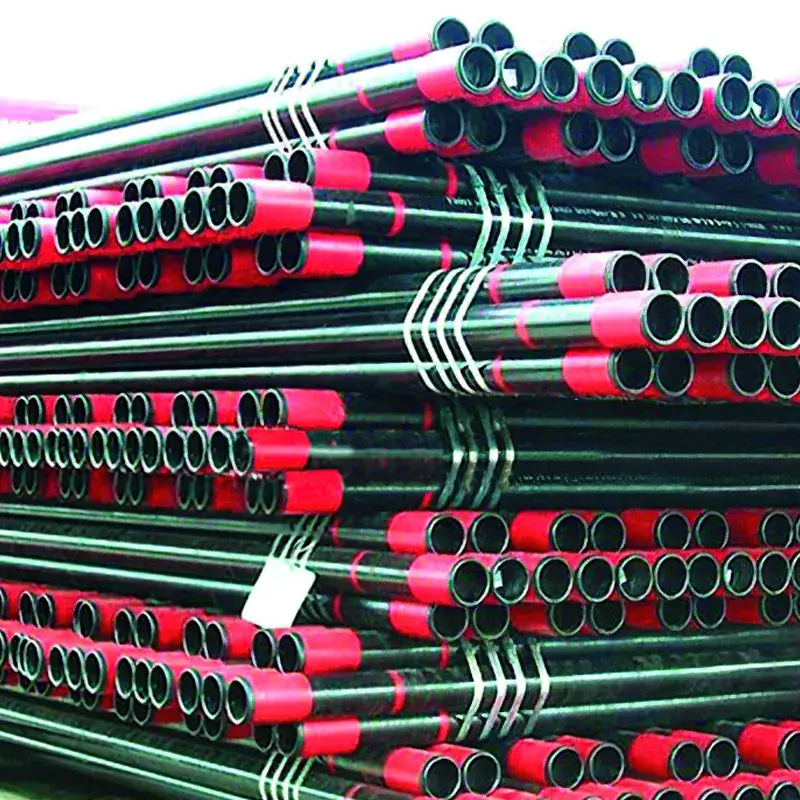
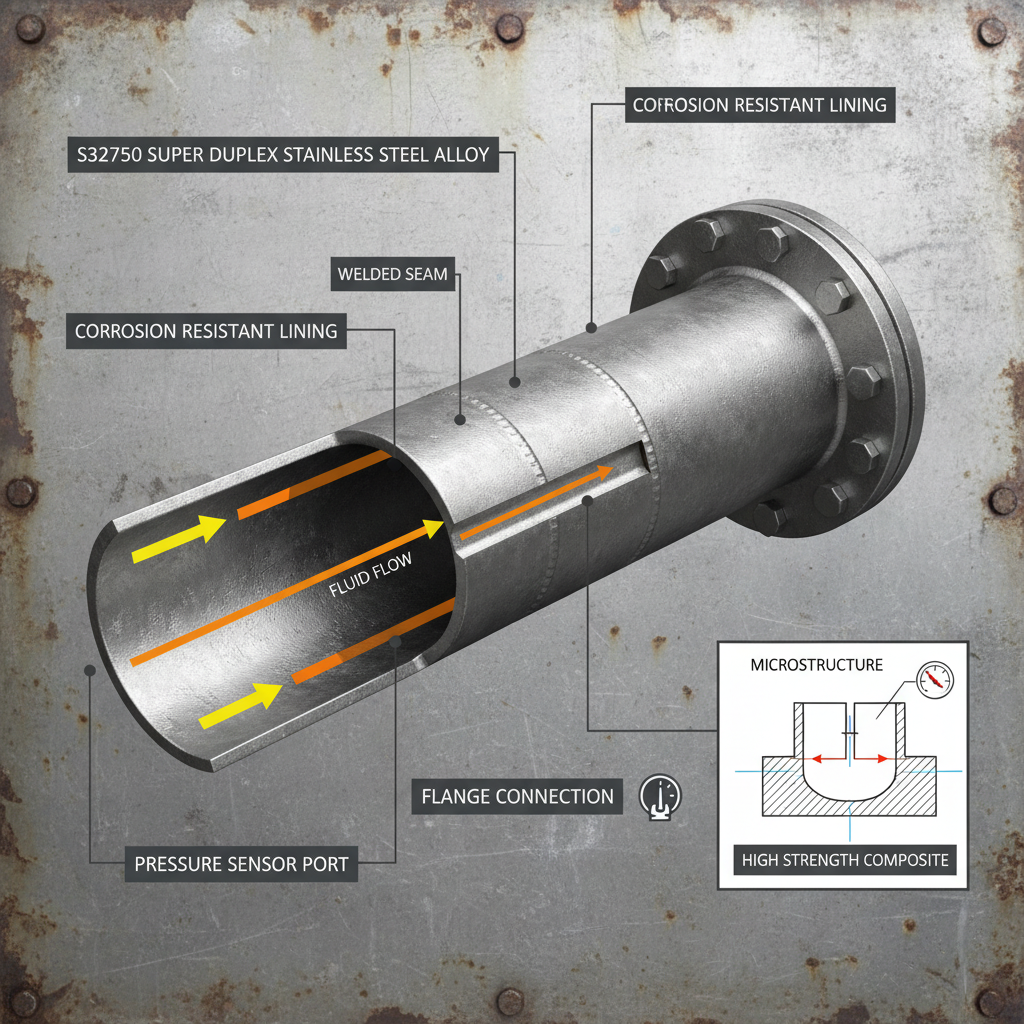
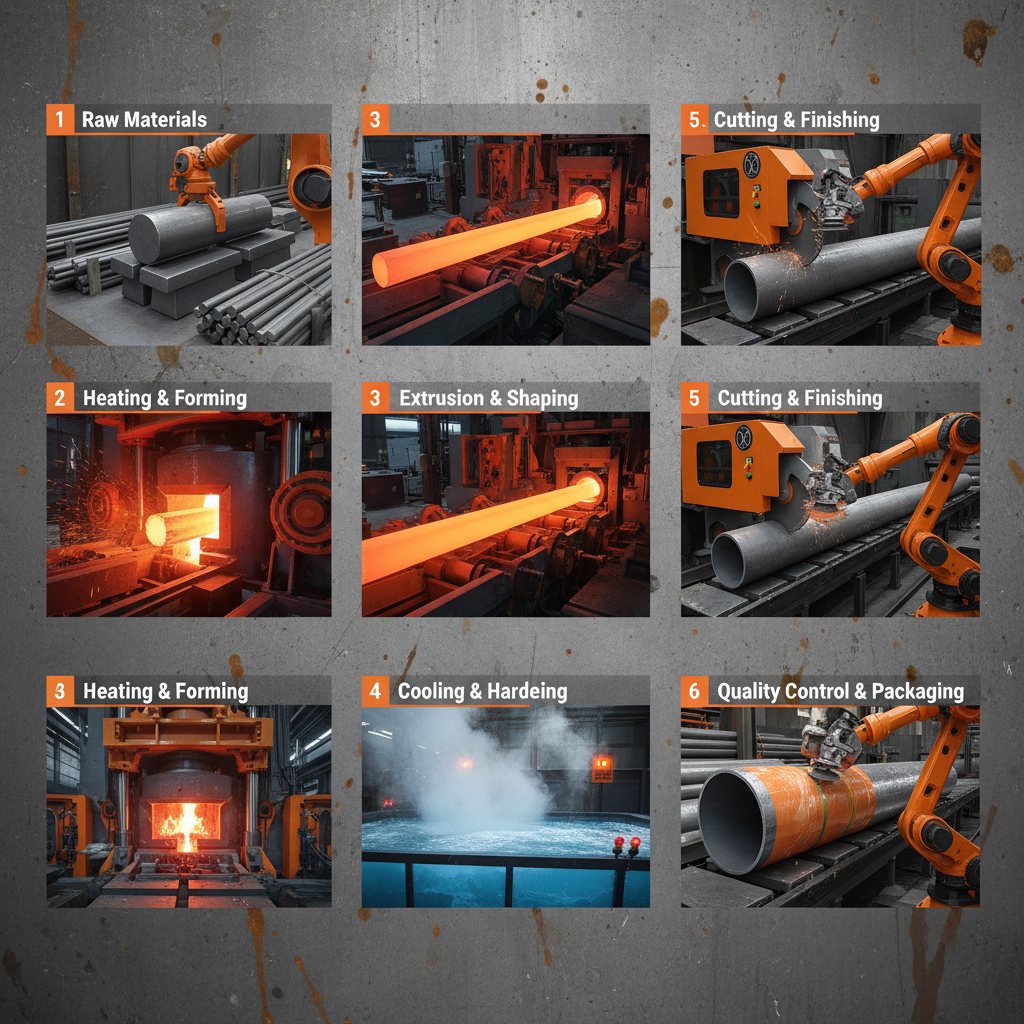
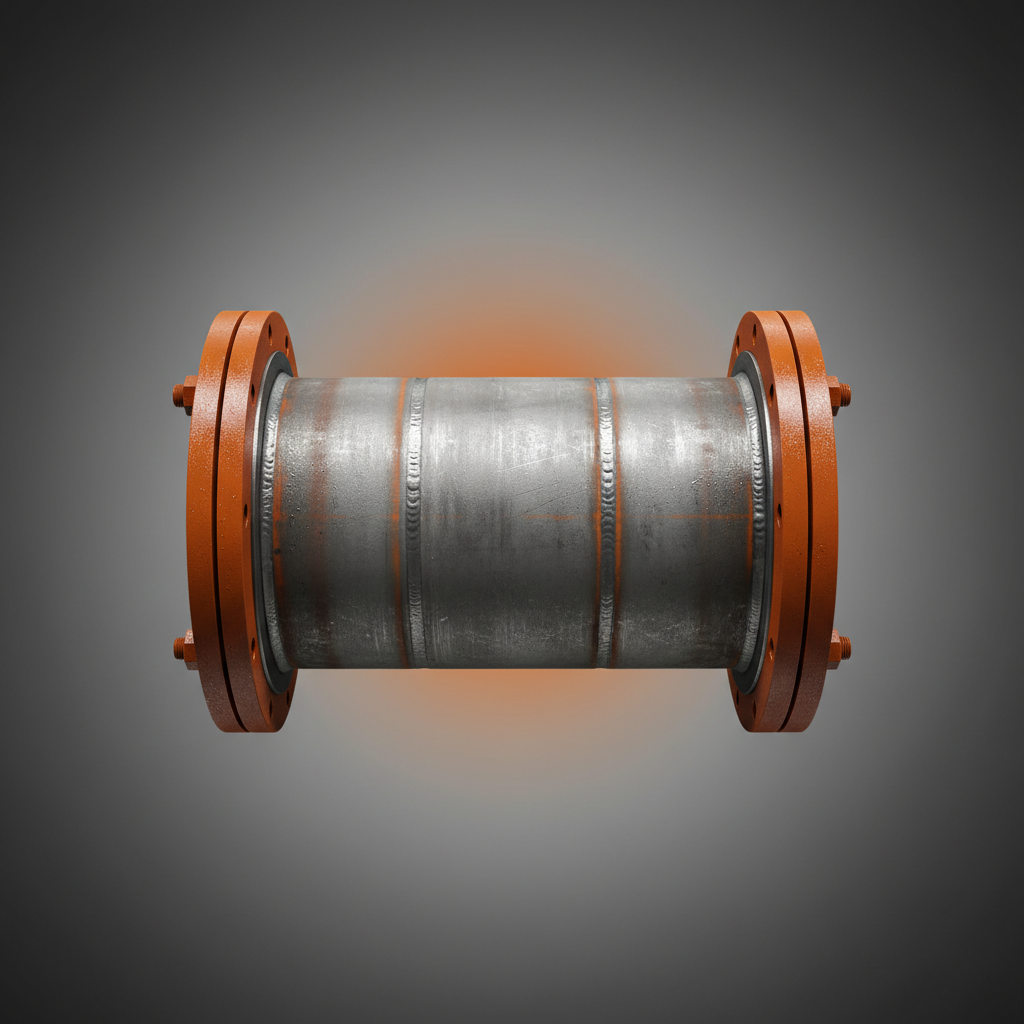
At its core, an a335 pipe refers to a specification for seamless ferritic and austenitic alloy-steel pipes, primarily used in high-temperature service. This might sound technical, but simply put, these pipes are circular steel tubes crafted without seams (which means no weakness points), made from alloys that keep their strength even when things heat up.
The pipes meet the ASTM A335 standard, ensuring each batch adheres to strict guidelines around chemical composition, mechanical behavior, and heat treatment. They’re essential for modern power plants and manufacturing facilities where reliable conduits—both for liquids and gases—must resist deformation or failure.
Core Features of A335 Pipe
1. Durability under Heat
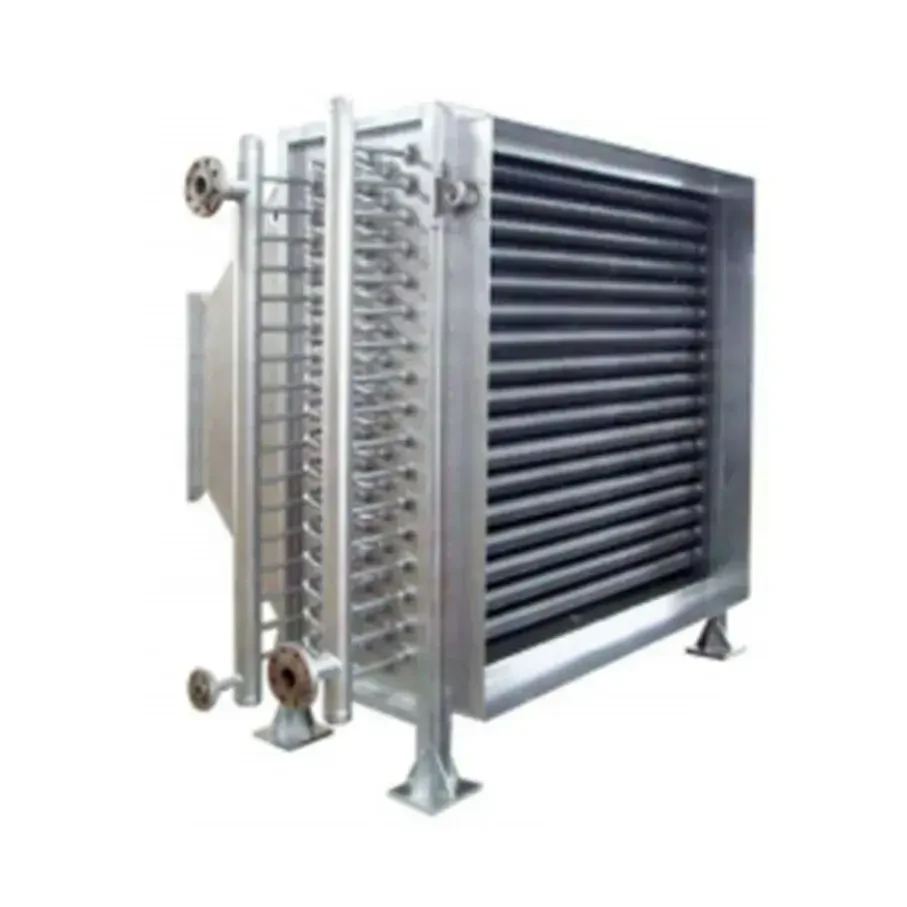
These pipes endure temperatures often exceeding 650°C (1200°F), maintaining structural integrity without warping or cracking. This makes them indispensable for boilers, superheaters, and heat exchangers.
2. Corrosion Resistance
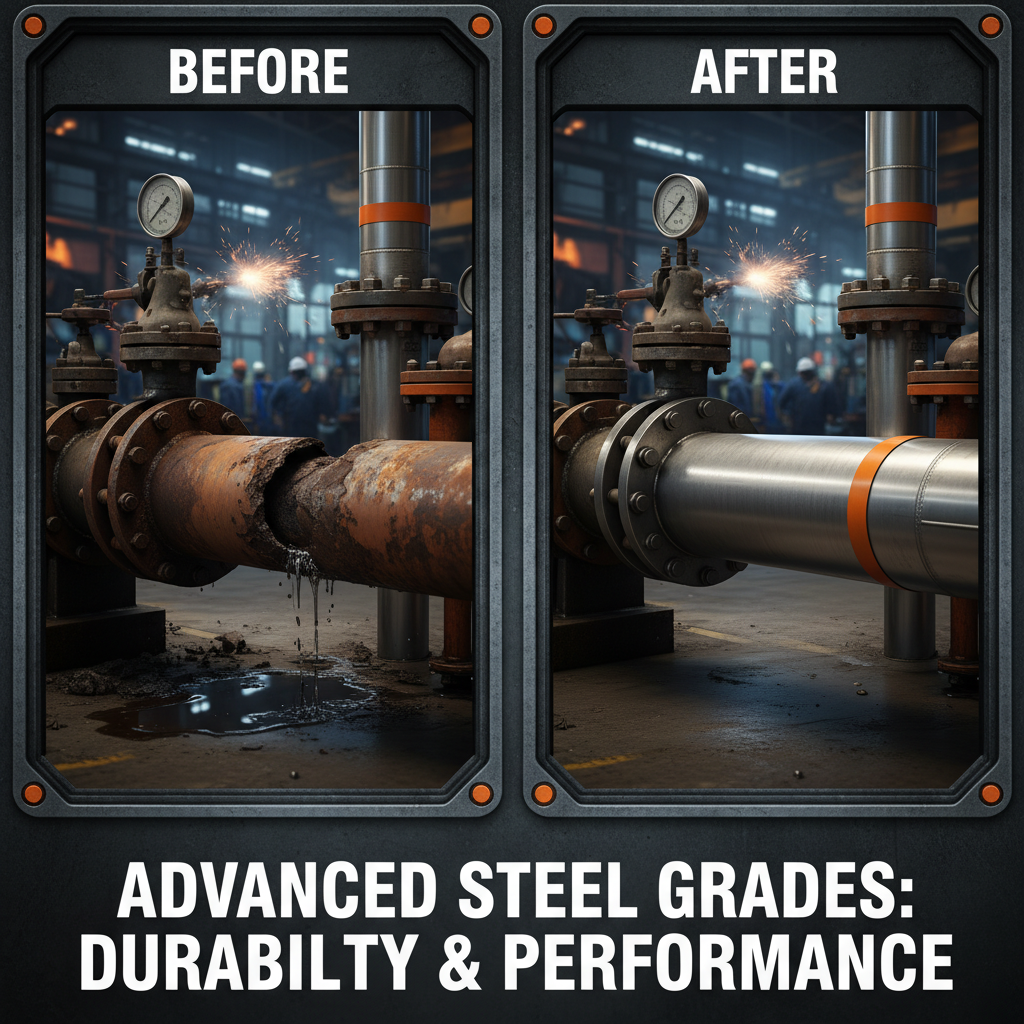
Depending on the alloy grade (like P11, P22, P91), a335 pipes resist oxidation and corrosion in harsh environments, which translates into longer service life and fewer maintenance headaches.
3. Seamless Construction
Unlike welded pipes, seamless manufacturing prevents weak points at joints, a huge plus when dealing with pressure and heat fluctuations.
4. Versatility in Grades and Sizes
A335 pipes come in a spectrum of grades tailored to specific environments, from lower-carbon ferritic alloys to highly alloyed austenitic steels, supporting different project needs.
5. Compliance and Testing
Stringent tests (like hydrostatic pressure and ultrasonic testing) certify each pipe batch, ensuring the highest quality and safety for industrial users.
Mini Takeaway:
The a335 pipe's design and rigorous standards make it a trusted choice for critical, high-temperature infrastructure worldwide.
Technical Specifications for A335 Pipes
| Specification | Typical Range | Remarks |
|---|---|---|
| Material Grades | P1, P5, P9, P11, P22, P91 | Varied alloy compositions for temperature & pressure |
| Outer Diameter | 12.7 mm – 609.6 mm (½” – 24”) | Widely adaptable to project requirements |
| Wall Thickness | 1.65 mm – 25.4 mm (Standard range) | Thickness impacts pressure rating |
| Temperature Range | Up to 650°C (approx. 1200°F) | Suitable for power stations |
| Manufacture Type | Seamless | No welds means greater strength |
Global Applications and Use Cases for A335 Pipes
- Power Stations: Used in boilers and superheater tubes, critical for high-temperature steam flow.
- Oil & Gas Industry: Helps transport hot fluids and gases safely, even offshore or in refineries.
- Chemical Plants: High corrosion resistance supports aggressive chemical processes.
- Petrochemicals: Adapted for transporting hydrocarbons under pressure and heat.
For instance, I recall a gas processing plant in the Middle East where a335 pipes dramatically reduced downtime due to heat-related failures. That kind of reliability lets operators focus on efficiency rather than firefighting equipment issues.
Comparison of Notable A335 Pipe Vendors
| Vendor | Material Grades Offered | Lead Time | Certifications | Additional Services |
|---|---|---|---|---|
| World Steel Material | P11, P22, P91 | 4-6 weeks | ISO 9001, API 5L | Custom cutting & testing |
| Steel Pipes Co. | P5, P9, P91 | 6-8 weeks | API 5CT, ISO 14001 | On-site inspections |
| Global Alloy Pipes | P1, P11, P22 | 3-5 weeks | ISO 9001, PED | Fast delivery options |
Why Choose A335 Pipe? Advantages & Long-Term Value
You might wonder, besides durability, why bother selecting a335 pipes over regular steel pipes? Well, first off, their heat resistance directly translates to safer operations. When pipes fail in high-temperature environments, the consequences can be catastrophic – endangering lives, causing costly shutdowns, and environmental damage.
Moreover, they have a solid track record of longevity, often serving decades in power plants – which means fewer replacements, and frankly, lower environmental impact over time. Plus, many manufacturers now offer customization for specific project needs, improving design efficiency.
On an emotional note, there’s a sense of trust and reliability engineers place in these pipes, which you don’t get with every material. It’s that quiet confidence that the system won’t fail unexpectedly.
Emerging Trends in A335 Pipe Technology
With growing focus on sustainability, manufacturers are exploring new alloys with improved corrosion resistance and even lower carbon footprints. Digitalization is also helping; from laser scanning for dimensional accuracy to better ultrasonic testing methods ensuring quality, tech is making a big difference.
Oddly enough, additive manufacturing (3D printing) has begun to influence pipe fittings and repairs, though full pipe fabrication remains a step away. Green energy projects, like biomass and next-gen nuclear plants, are tailoring a335 pipe selections for their unique temperature and pressure environments.
Challenges and Their Solutions
Despite all their benefits, a335 pipes aren’t without challenges. The initial cost can be higher compared to common carbon steel pipes. Sourcing the right grade can be tricky, especially for remote projects with tight timelines.
But smart procurement practices, working with suppliers like World Steel Material who offer certified quality and flexible lead times, help mitigate delays. Plus, ongoing research into alloy compositions is lowering manufacturing costs while maintaining performance.
FAQs About A335 Pipe
Q1: What makes A335 pipes better than standard steel pipes for high-temperature applications?
A335 pipes are manufactured from specialized alloy steels and undergo strict heat treatment, making them resistant to deformation and corrosion at elevated temperatures where standard pipes would degrade or fail quickly.
Q2: How can I select the right grade of A335 pipe for my project?
Grade selection depends on operating temperature, pressure, and environment. For example, P91 offers high strength and creep resistance suitable for ultra-supercritical boilers, while P11 suits moderate temperatures. Consulting technical datasheets or experts helps streamline this decision.
Q3: Are A335 pipes suitable for offshore oil and gas applications?
Yes, their corrosion resistance and high-pressure tolerance make specific grades (like P22, P91) widely used in offshore pipelines, especially where temperature stability is critical.
Q4: How can international buyers ensure they get certified A335 pipes?
Working with reputable suppliers who provide third-party inspection reports, mill certificates, and compliance with ASTM and ISO standards is key. Many vendors also support logistics and customs documentation for seamless import.
Q5: Is it possible to order customized lengths and thicknesses of A335 pipes?
Absolutely. Most manufacturers offer custom cutting, beveling, and testing options. This flexibility reduces waste and improves project efficiency.
Conclusion
In the grand scheme of industrial infrastructure, the humble a335 pipe stands out as a robust, reliable solution tailored for the toughest high-temperature environments. Their advanced material composition, seamless construction, and rigorous standards make them indispensable. If your operations demand the best balance of safety, durability, and performance, a335 pipes should be on your radar.
For companies looking to source these pipes, I’d recommend checking out trusted vendors like World Steel Material, who combine quality certification with service excellence.
So, next time you picture the massive power plants or complex chemical facilities, remember the quiet—and hot—workhorse inside: the a335 pipe.
References
Post time: Dec . 04, 2025 09:20
 English
  Arabic
  Bengali
  China
China  French
  German
  Hausa
Hausa  Indonesian
  Italian
  Japanese
  Javanese
  Malay
Malay  Persian
  Portuguese
  Punjabi
  Russian
  Spanish
  Swahili
  Telugu
  Vietnamese