

Why 316 Stainless Steel Round Pipe Remains an Industrial Favorite
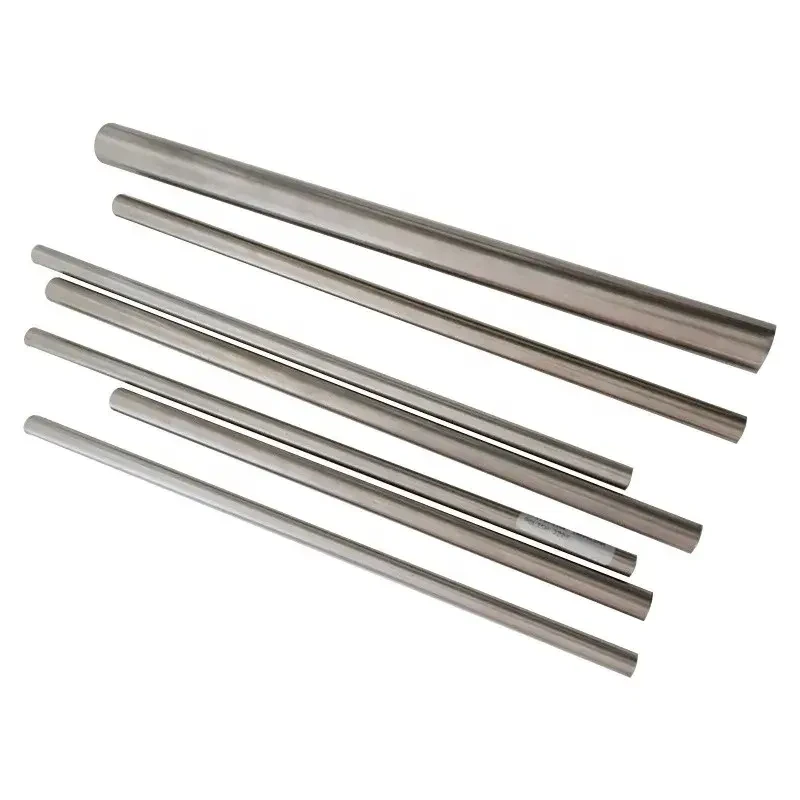
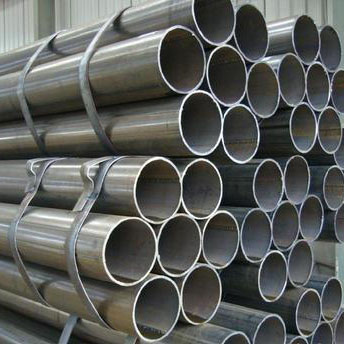
After years in the industrial equipment sector, I’ve seen plenty of materials come and go — but 316 stainless steel round pipe is one that truly stands the test of time. You’d think with all the new alloys and composites available, it might be fading into the background, but quite the opposite happens. It somehow manages to stay relevant, useful, and frankly reliable.
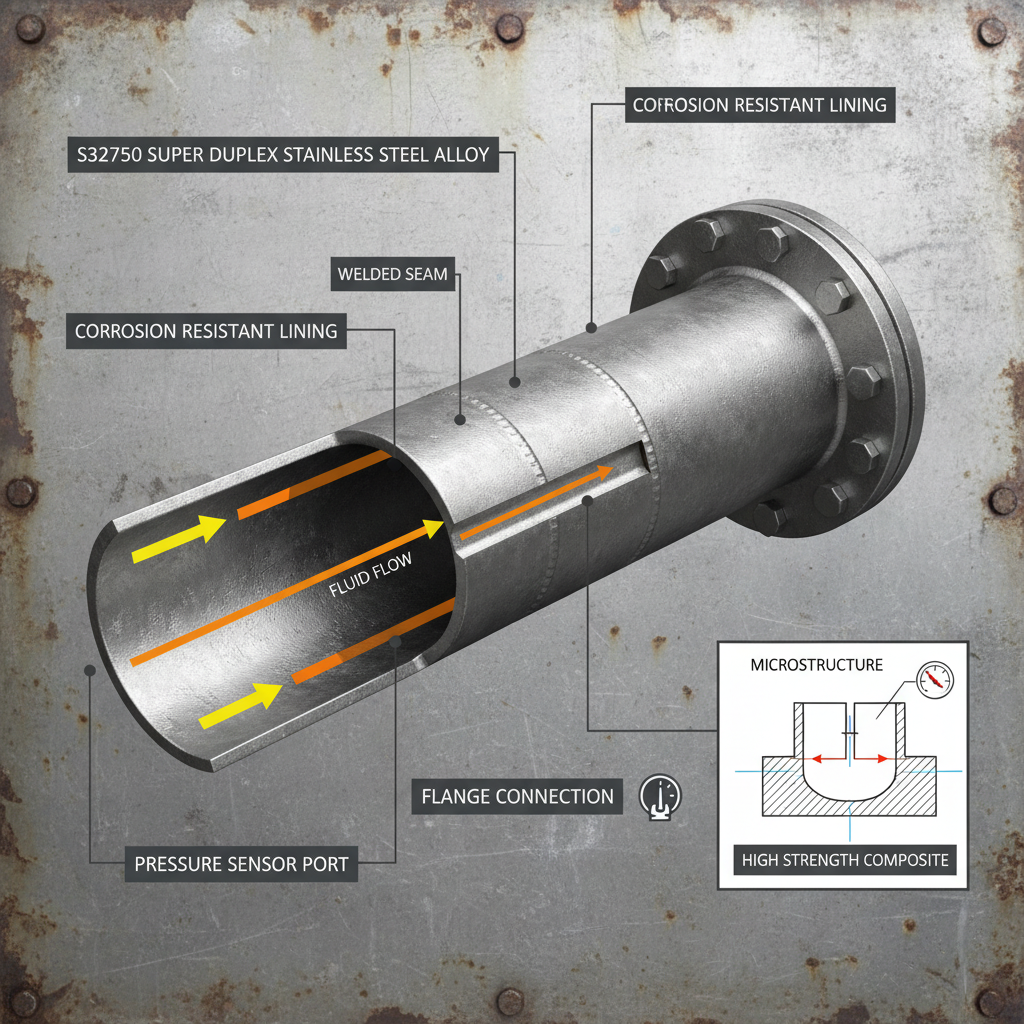
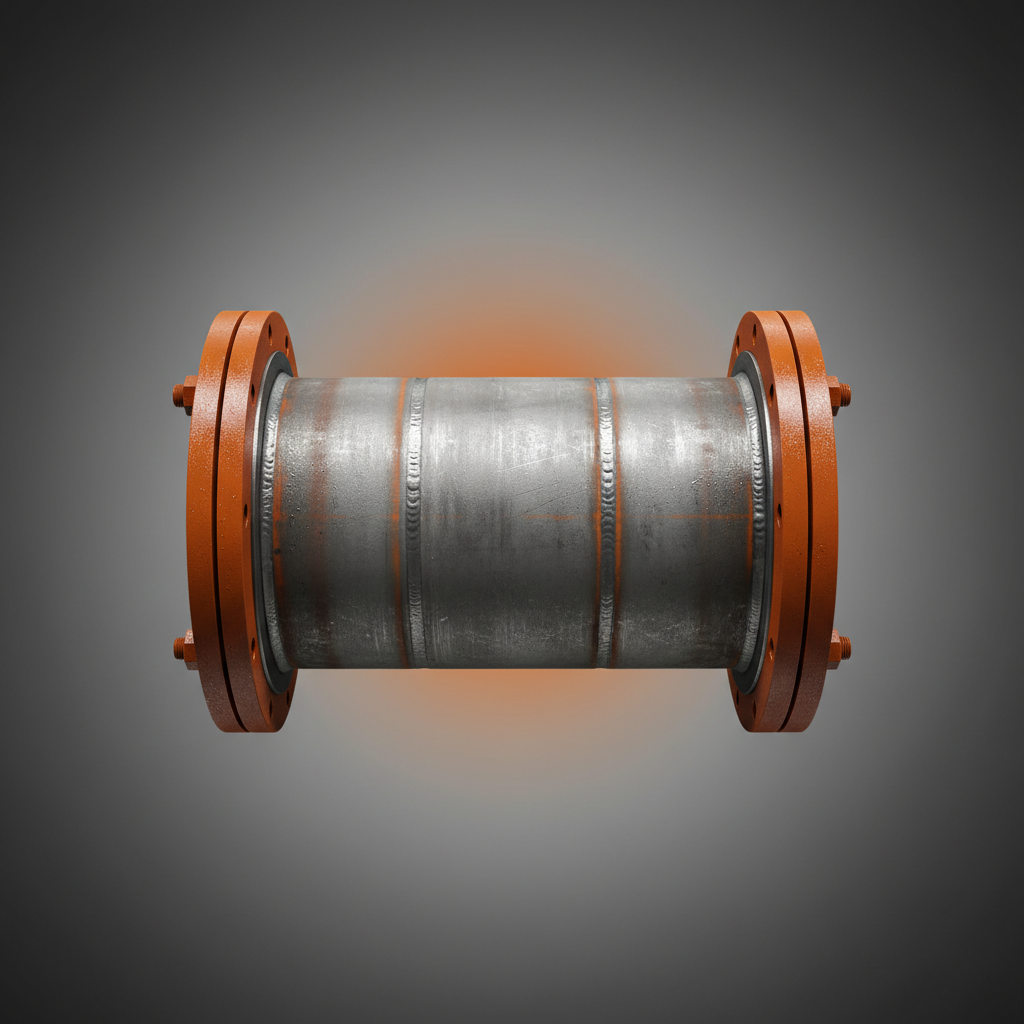
So, what’s the secret sauce here? Well, 316 stainless steel is a molybdenum-alloyed austenitic stainless steel that resists corrosion better than your standard 304 grade, especially when exposed to chlorides and marine environments. This makes it the go-to for piping systems that demand durability under harsh conditions. I remember once specifying this pipe for a coastal refinery project—its ability to shrug off salty air was nothing short of impressive.
A Quick Dive Into the Specs
| Property | Specification |
|---|---|
| Material Grade | 316 / 316L Austenitic Stainless Steel |
| Density | 8.0 g/cm³ |
| Corrosion Resistance | Excellent in chloride environments |
| Tensile Strength | ~75 ksi (515 MPa) |
| Common Pipe Sizes | 1/2" to 48" diameter |
| Wall Thickness | Schedule 5 to Schedule 80+ |
| Finish | Pickled and passivated surface |
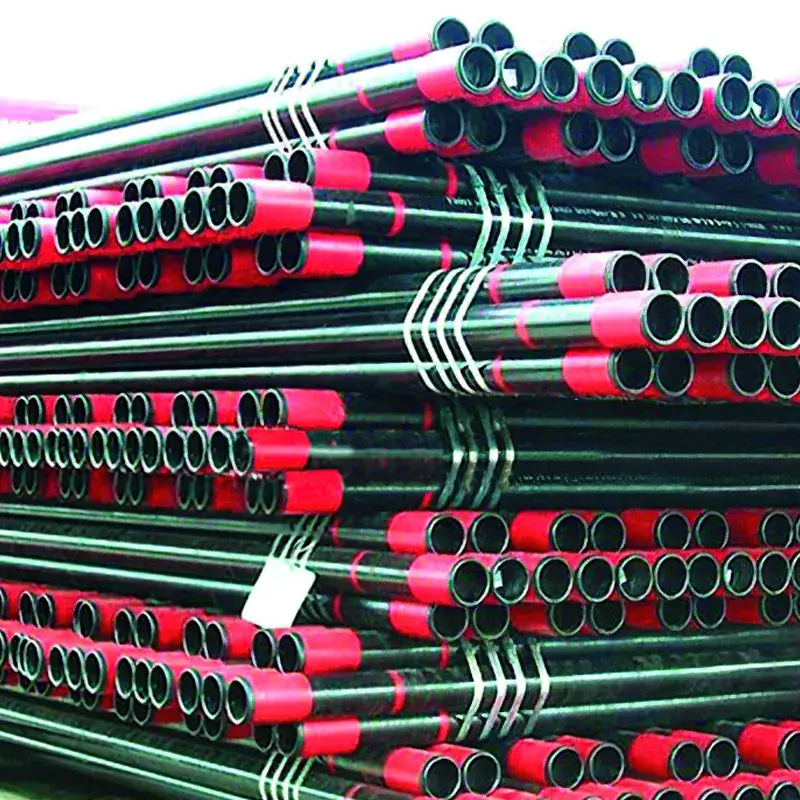
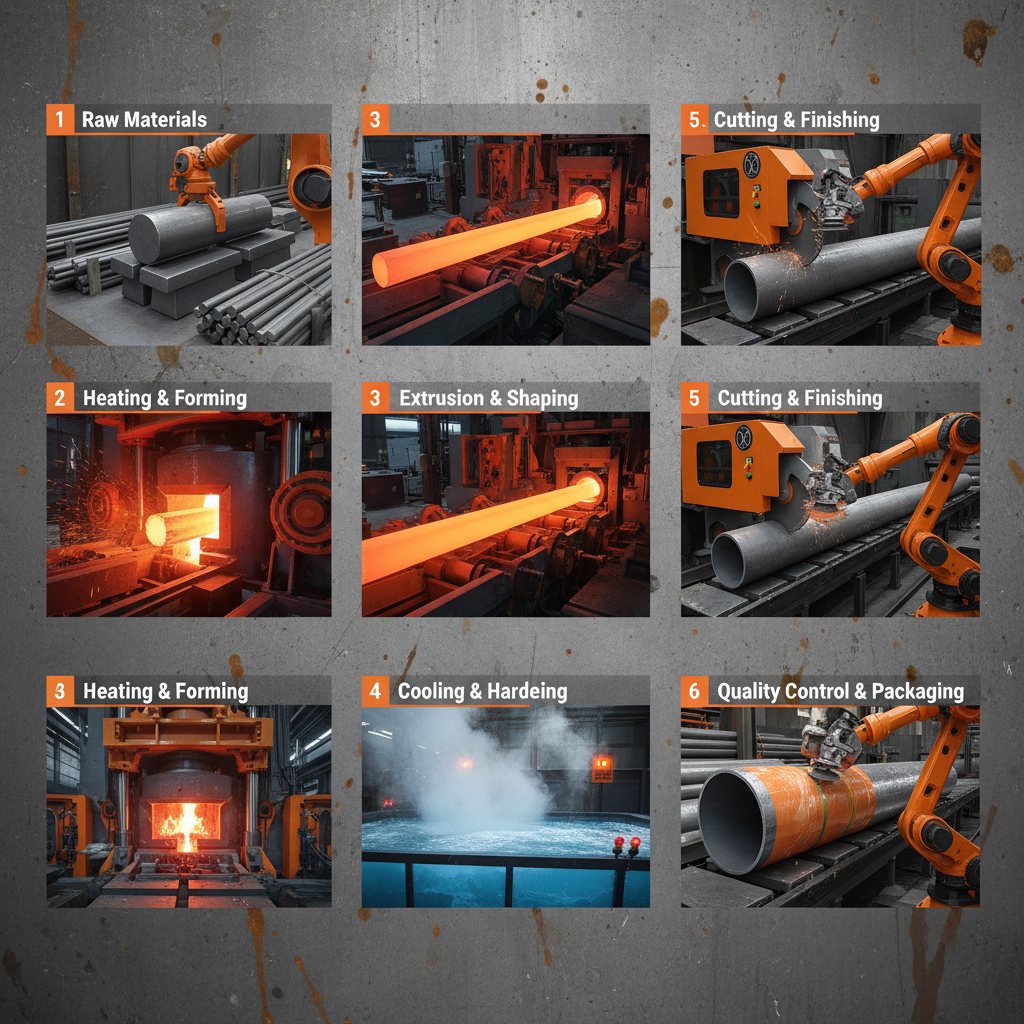
In terms of manufacturing, pipes come seamless or welded, and while seamless pipes generally take the spotlight for pressure applications, the welded variants have improved so much that many engineers—including myself—consider them more than adequate, depending on the specs.
How Does 316 Stainless Steel Compare in the Market?
I often get asked how 316 stainless steel round pipe measures up against other options. It’s a fair question because, honestly, no one wants to pay premium prices when a cheaper alternative will do the job. Here's a simple comparison I've seen in many tender meetings, with three primary vendors I worked with extensively:
| Vendor | Price/kg | Lead Time | Certifications | Warranty |
|---|---|---|---|---|
| SteelWorks Ltd. | $4.10 | 3 weeks | ISO 9001, ASTM A312 | 1 year |
| Global Metals | $3.85 | 4-5 weeks | ISO 14000, ASTM A312 | 6 months |
| Precision Pipe Inc. | $4.25 | 2 weeks | ISO 9001, ASTM A312, PED | 1 year + extended support |
Among these, I tend to lean on Precision Pipe Inc. for critical projects where lead time and certification details really matter—especially given their PED certification for European markets. But for budget-sensitive jobs, Global Metals still packs a punch without skimping on standards.
Usage Notes and Real-World Reflections
Oddly enough, one aspect I keep coming back to is how easy it is to customize 316 stainless steel round pipe. Many engineers underestimate how much customization can change the game—from wall thickness to surface finish, even bending radius. I’ve worked on installations where the pipe had to be precisely shaped for unique skid-mounted equipment — and the 316 pipes delivered.
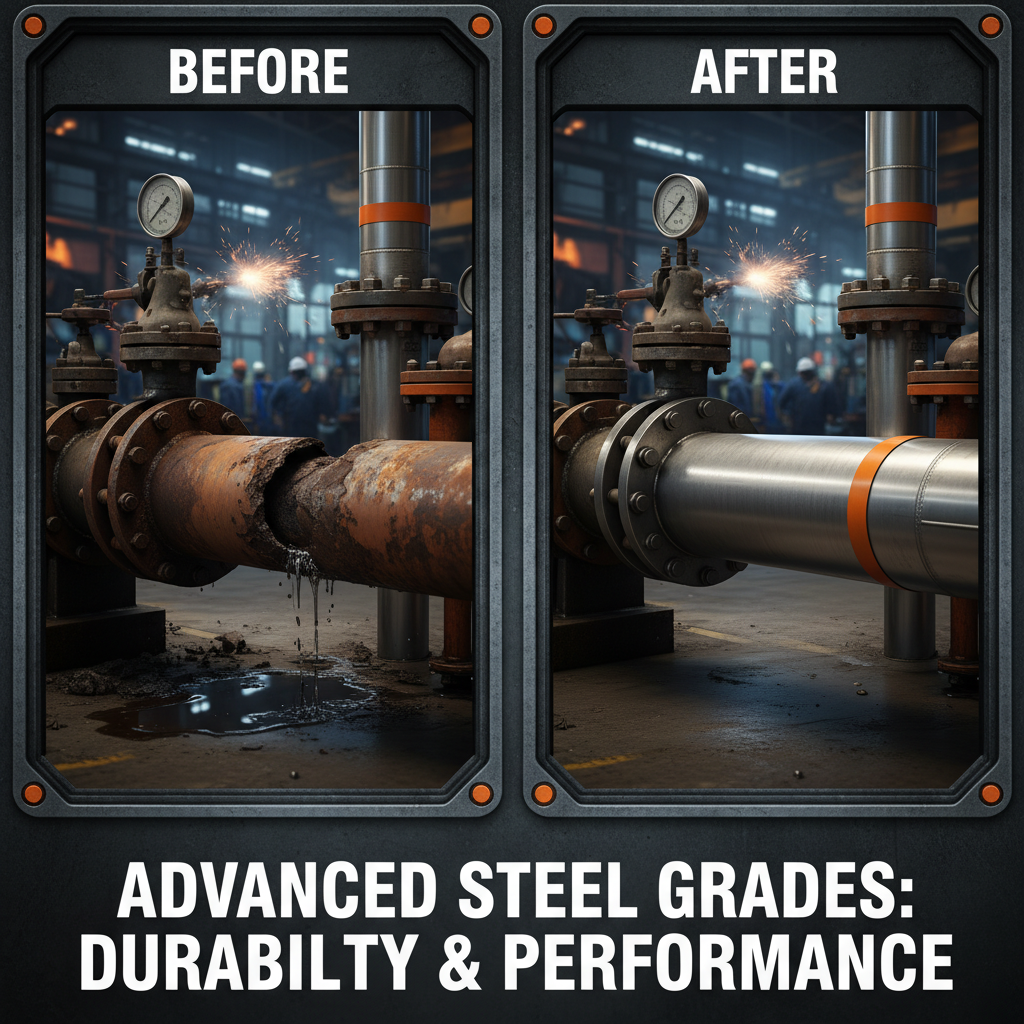
I also recall a client who initially was skeptical about paying for 316 over 304. After six months in a chloride-heavy environment, their 304 pipes showed early signs of pitting, while the 316 ones kept their integrity — paid off the extra cost handsomely, as they told me later.
Given its balance of strength, corrosion resistance, and versatility, you could say 316 stainless steel round pipe is the unsung hero of many industrial setups. Not glamorous, but dependable — and for those of us who’ve specified it dozen times over, that trustworthiness is everything.
One takeaway? When in doubt about piping material for corrosive environments, 316 stainless steel is a solid bet worth considering.
Post time: Dec . 12, 2025 01:10
 English
  Arabic
  Bengali
  China
China  French
  German
  Hausa
Hausa  Indonesian
  Italian
  Japanese
  Javanese
  Malay
Malay  Persian
  Portuguese
  Punjabi
  Russian
  Spanish
  Swahili
  Telugu
  Vietnamese