

Selecting the correct tubular components is critical for the structural integrity of any industrial project, whether it involves petrochemical transport, shipbuilding, or thermal power plants. When engineers and procurement officers look to buy metal pipe, they are not merely purchasing a commodity but investing in a safety-critical component that must withstand extreme pressures, corrosive environments, and temperature fluctuations.
The complexity of modern infrastructure requires a deep understanding of metallurgy and international standards. From API 5L line pipes for oil and gas to specialized alloy tubes for heat exchangers, the gap between a standard product and a high-performance solution is defined by material purity, certification, and precise manufacturing. In the B2B sector, the focus shifts from simple cost-per-meter to the total cost of ownership and the mitigation of operational risks.
This technical guide provides a framework for evaluating steel tubular solutions, analyzing the relationship between material grades and application environments. Readers will explore the critical criteria for supplier evaluation, the importance of certifications like UL, and the technical considerations for deep processing, ensuring that procurement decisions are based on engineering facts rather than marketing claims.
Industrial Steel Piping Fundamentals
Industrial piping serves as the circulatory system of a plant, transporting fluids and gases under varying states of stress. The fundamental challenge in this field is matching the material's chemical composition and mechanical properties to the environmental stressors of the project. For instance, in ultra-low temperature environments, standard carbon steel becomes brittle; therefore, materials like A333 Gr.6 are utilized to maintain toughness. Conversely, high-temperature applications in boilers require alloy steels such as 12Cr1MoV or P91 to prevent creep and oxidation.
Beyond the material, the manufacturing process—whether seamless or welded—determines the pipe's pressure rating and leak resistance. In the context of buy metal pipe strategies, understanding the distinction between OCTG (Oil Country Tubular Goods) and general structural piping is essential. OCTG pipes, governed by API 5CT, are specifically designed for the harsh conditions of drilling and production, featuring controlled yield strengths and collapse resistance that standard piping cannot provide. The integration of these components requires precise compatibility with fittings and flanges to ensure a hermetic seal across the entire system.
Strategic Guide for Procurement
Procuring industrial-grade tubulars requires a transition from "shopping" to "engineering procurement." The following sections break down the critical dimensions of evaluation, from material science to logistics, ensuring that the final selection meets both the technical specification and the commercial budget.
Material Grade Selection
The choice of grade depends on the chemical nature of the medium and the external environment. For general purpose water or gas, API 5L Grade B is often sufficient. However, corrosive environments demand stainless steels (304L, 316L) or special corrosion-resistant alloys. For high-pressure steam, alloy pipes like E355K2 or specialized Chrome-Moly grades are necessary. The table below outlines how different materials align with specific industrial needs.
| Material Category | Common Grade | Primary Property | Typical Application |
|---|---|---|---|
| Carbon Steel | API 5L X52/X60 | High Strength/Ductility | Oil & Gas Transmission |
| Low Temp Steel | ASTM A333 Gr.6 | Impact Resistance | Cryogenic Storage |
| Stainless Steel | ASTM A312 316L | Corrosion Resistance | Chemical Processing |
| Alloy Steel | 12Cr1MoV / P22 | Heat Resistance | Power Plant Boilers |
| Structural Steel | E275K2 / E355K2 | Load Bearing | Machinery Frames |
| High Strength | API 5L X70 | Ultra-High Pressure | Deep-Sea Pipelines |
Compliance with Global Standards
Standards are the universal language of safety in piping. Procurement must verify that products adhere to recognized benchmarks such as ASME B16.5 for flanges, API 5L for line pipes, and DIN or JIS for regional specifications. Certifications like UL demonstrate a commitment to safety and international compliance, which is often a prerequisite for government tenders and high-stakes industrial projects. Without these certifications, the risk of component failure and subsequent legal liability increases significantly.
Customization and Deep Processing
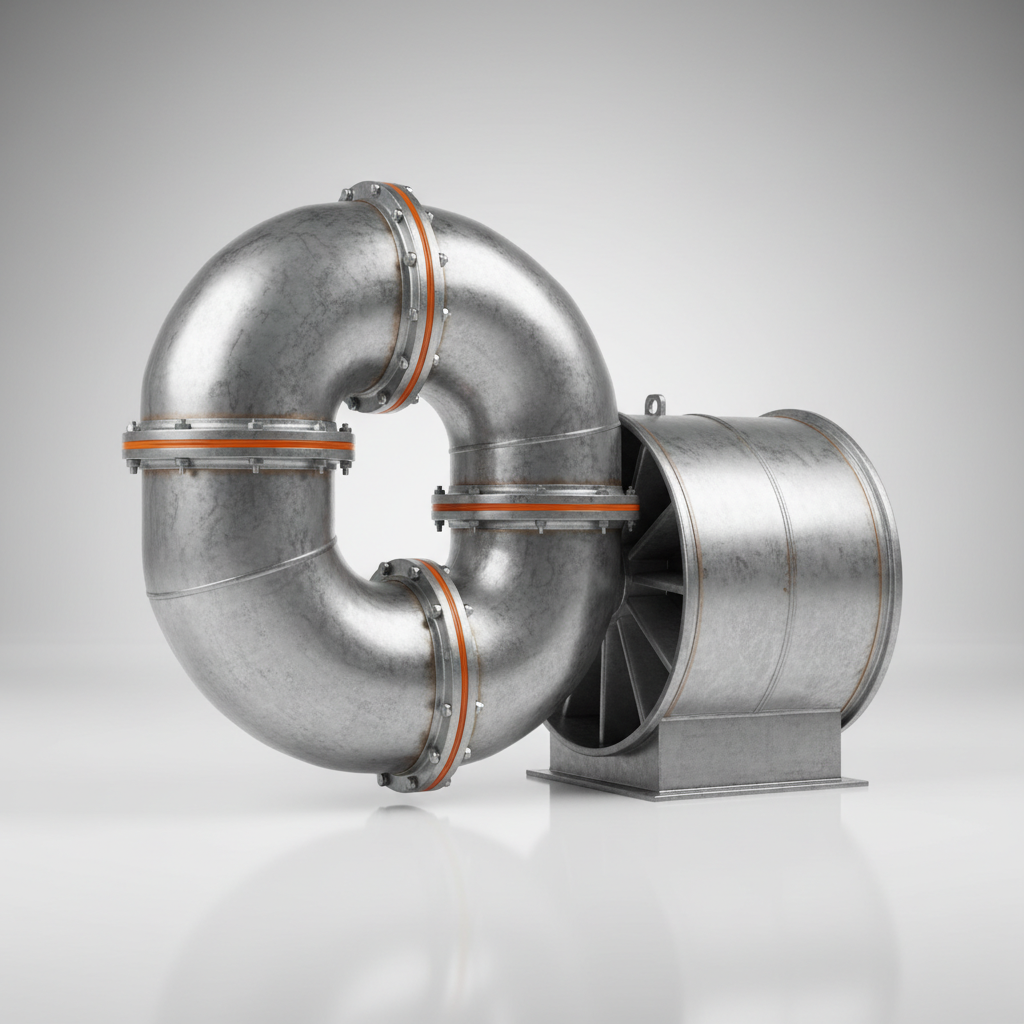
Standard dimensions are rarely sufficient for complex engineering projects. Deep processing capabilities—such as 3PE coating for corrosion protection, hot-dip galvanizing, and U-shape processing—allow the tubing to be integrated directly into the installation site with minimal on-site modification. Threading and grooving ensure secure connections, while finning can be applied to enhance heat transfer in exchanger applications. These customized services reduce installation time and labor costs.
Application-Specific Requirements
Different industries have divergent priorities. In shipbuilding, the focus is on salt-spray resistance and vibration damping. In petrochemicals, the priority is HIC (Hydrogen Induced Cracking) and SSC (Sulfide Stress Cracking) resistance, particularly in "sour" service environments. By aligning the product's technical profile with the specific operational scenario, such as those found in the Pakistan Petroleum Ltd or Tanzania 3LPE projects, engineers can prevent premature failure.
Quality Inspection Protocols
Verification is the only way to guarantee performance. A robust inspection plan should include Chemical Element Analysis to verify the grade, Mechanical Property Tests for strength, and Non-Destructive Testing (NDT). Methods such as Ultrasonic Testing (UT), X-Ray, and Magnetic Powder Tests are essential for detecting internal flaws or weld defects. Hydraulic Pressure Tests provide the final validation that the component can handle its rated pressure class without leakage.
Supply Chain Reliability
In large-scale tenders, the ability to provide a complete package—including pipes, fittings, flanges, and gaskets—is a major advantage. A supplier that offers an "Engineering Solutions" approach can manage the compatibility between different components, reducing the risk of mismatched specifications. Experience in international project implementation, such as linepipe projects in Nigeria, indicates a supplier's ability to handle complex logistics and strict delivery timelines.
Lifecycle Cost Considerations
The lowest initial purchase price often leads to the highest maintenance costs. Investing in superior coatings (like 3PE) or higher-grade alloy steels can extend the service life of a pipeline by decades. Buyers should evaluate the "lowest cost in the whole process," which includes the cost of installation, the frequency of unplanned repairs, and the eventual decommissioning. High-quality sealing solutions for flanges, such as those resistant to high-temperature steam and oil, are critical to preventing costly unplanned shutdowns.
FAQ
What is the difference between API 5L and API 5CT pipes?
API 5L specifies requirements for line pipe used for the transportation of oil, gas, and water, focusing on weldability and pressure containment. API 5CT, on the other hand, governs casing and tubing used specifically in the drilling and completion of oil and gas wells (OCTG), focusing more on collapse resistance and tensile strength to withstand the weight of the pipe string and external formation pressure.
Which material should I choose for ultra-low temperature piping?
For cryogenic or ultra-low temperature environments, standard carbon steel is unsuitable due to the risk of brittle fracture. Materials such as ASTM A333 Grade 6 or A334 are recommended because they undergo specific heat treatments to maintain impact toughness at low temperatures, ensuring the system does not crack under thermal stress.
Why is UL certification important for steel pipes?
UL (Underwriters Laboratories) certification provides third-party verification that the product meets stringent safety and quality standards. In many jurisdictions, UL-certified components are required by building codes and insurance companies to ensure that the piping system—especially in fire-fighting applications—will perform reliably during an emergency.
What are the benefits of 3PE coating for metal pipes?
3PE (Three-Layer Polyethylene) coating combines the excellent adhesion of fusion-bonded epoxy, the water-blocking properties of a copolymer adhesive, and the mechanical toughness of a polyethylene outer layer. This provides superior protection against corrosion, moisture, and mechanical damage during transport and installation, significantly extending the pipeline's lifespan.
How do I evaluate a supplier for a large-scale pipeline project?
Evaluate the supplier based on their track record with similar projects (e.g., successful implementation of international tenders), their range of certifications (API, UL, ISO), their ability to provide integrated solutions (pipes, flanges, and fittings), and their capacity for deep processing. Requesting a Mill Test Certificate (MTC) and verifying their NDT inspection capabilities is also crucial.
Can I customize steel pipes to non-standard dimensions?
Yes, professional manufacturers can provide customized products based on user requirements. This includes bespoke diameters, wall thicknesses, and specialized surface treatments. When requesting customization, it is important to provide detailed engineering drawings and specify the required pressure class and material grade to ensure the final product is safe for its intended use.
References and further reading
- American Petroleum Institute (API) Specification 5L: Specification for Line Pipe.
- ASME B31.3: Process Piping Code for Chemical and Petrochemical Plants.
- ASTM A105/A105M: Standard Specification for Welded Wrought Carbon Steel Flanges.
Related Articles



 English
 Arabic
 Bengali
 China
 French
 German
 Hausa
 Indonesian
 Italian
 Japanese
 Javanese
 Malay
 Persian
 Portuguese
 Punjabi
 Russian
 Spanish
 Swahili
 Telugu
 Vietnamese