

Understanding P22 Alloy: Properties, Applications & Sourcing
P22 alloy, also known as 22CrMo5Ni1, is a crucial material in high-temperature applications, particularly within the power generation industry. This alloy boasts exceptional creep resistance, oxidation resistance, and high-temperature strength, making it ideal for components exposed to extreme conditions. This article will explore the key properties of P22 alloy, its common applications, sourcing options, and important considerations for procurement. Finding a reliable P22 alloy supplier is paramount for ensuring the quality and longevity of your projects. Understanding this material is vital for engineers and procurement professionals alike.
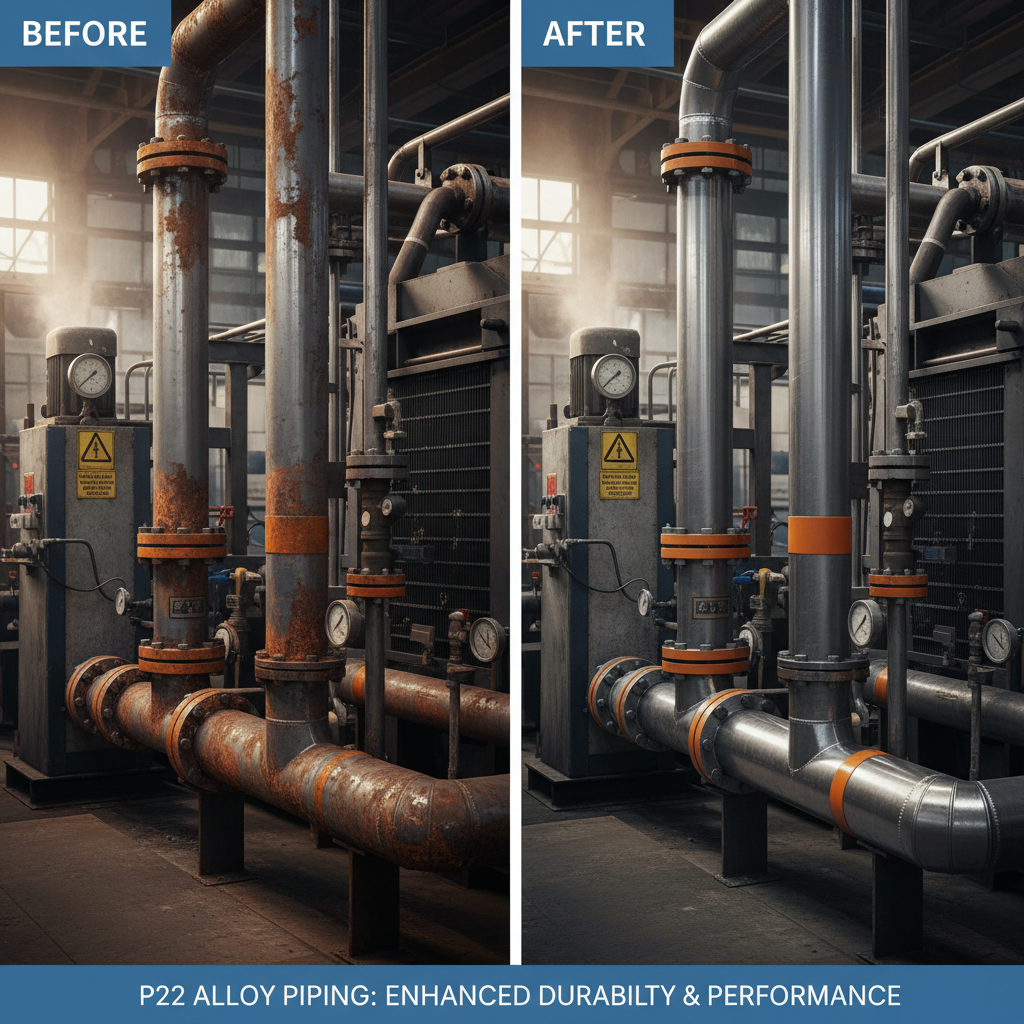
Chemical Composition and Key Properties of P22 Alloy
P22 alloy is a chromium-molybdenum steel containing nickel. Its core composition is designed to enhance its resistance to high-temperature deformation and corrosion. The main elements and their approximate percentages are as follows: Chromium (Cr) ~22%, Molybdenum (Mo) ~5%, Nickel (Ni) ~1%, Carbon (C) ~0.2%, and Iron (Fe) making up the balance. This precise composition results in a material with a high tensile strength, even at elevated temperatures. Furthermore, P22 exhibits excellent weldability and formability, making it versatile for various manufacturing processes. The careful control of the alloy's chemical composition is crucial for achieving its desired mechanical properties.
Key Highlights: High creep resistance, excellent oxidation resistance, good weldability and formability, and sustained strength at elevated temperatures.
Applications of P22 Alloy in Power Generation
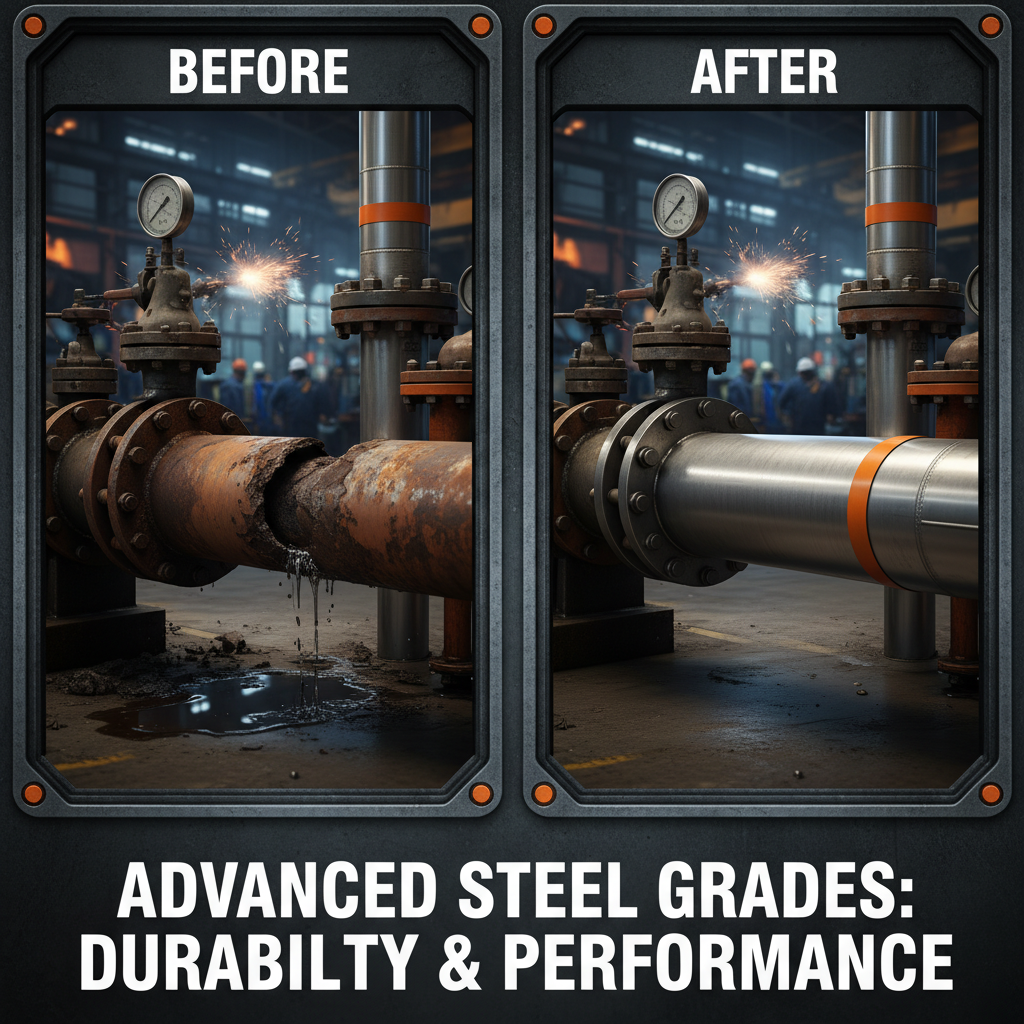
The primary application of P22 alloy lies in the construction of boilers and superheaters within fossil fuel and nuclear power plants. Specifically, it is extensively used in manufacturing tubes and headers exposed to high temperatures and pressures. Its resistance to creep, which is the tendency of a material to deform permanently under sustained stress, makes it ideal for these demanding environments. Furthermore, P22's resistance to oxidation helps prevent scale formation, improving heat transfer efficiency and reducing maintenance requirements. Beyond power generation, it finds use in petrochemical processing and other high-temperature industrial applications.
P22 Alloy Applications:
• Boiler Tubes
• Superheater Tubes
• Boiler Headers
• High-Temperature Headers & Piping
P22 Alloy vs. Other Alloy Steels: A Comparative Analysis
While several alloy steels are used in high-temperature applications, P22 alloy distinguishes itself through its specific balance of properties. Compared to P91 alloy (9Cr1Mo), P22 generally exhibits lower creep strength but superior weldability. Compared to T91 alloy, P22 provides a more cost-effective solution when extremely high creep resistance isn't paramount. This makes P22 a suitable choice for applications where a balance of performance and cost is crucial. A detailed comparison of these alloys is outlined in the table below.
Sourcing P22 Alloy: Key Considerations
When sourcing P22 alloy, it's crucial to work with a reputable supplier who can guarantee quality and traceability. Verify that the supplier adheres to relevant industry standards, such as ASTM A335. Request material test reports (MTRs) to confirm the alloy’s chemical composition and mechanical properties. Consider lead times, pricing, and the supplier’s ability to meet your specific requirements regarding size, shape, and quantity. Working with a trusted P22 alloy manufacturer minimizes the risk of receiving substandard materials.
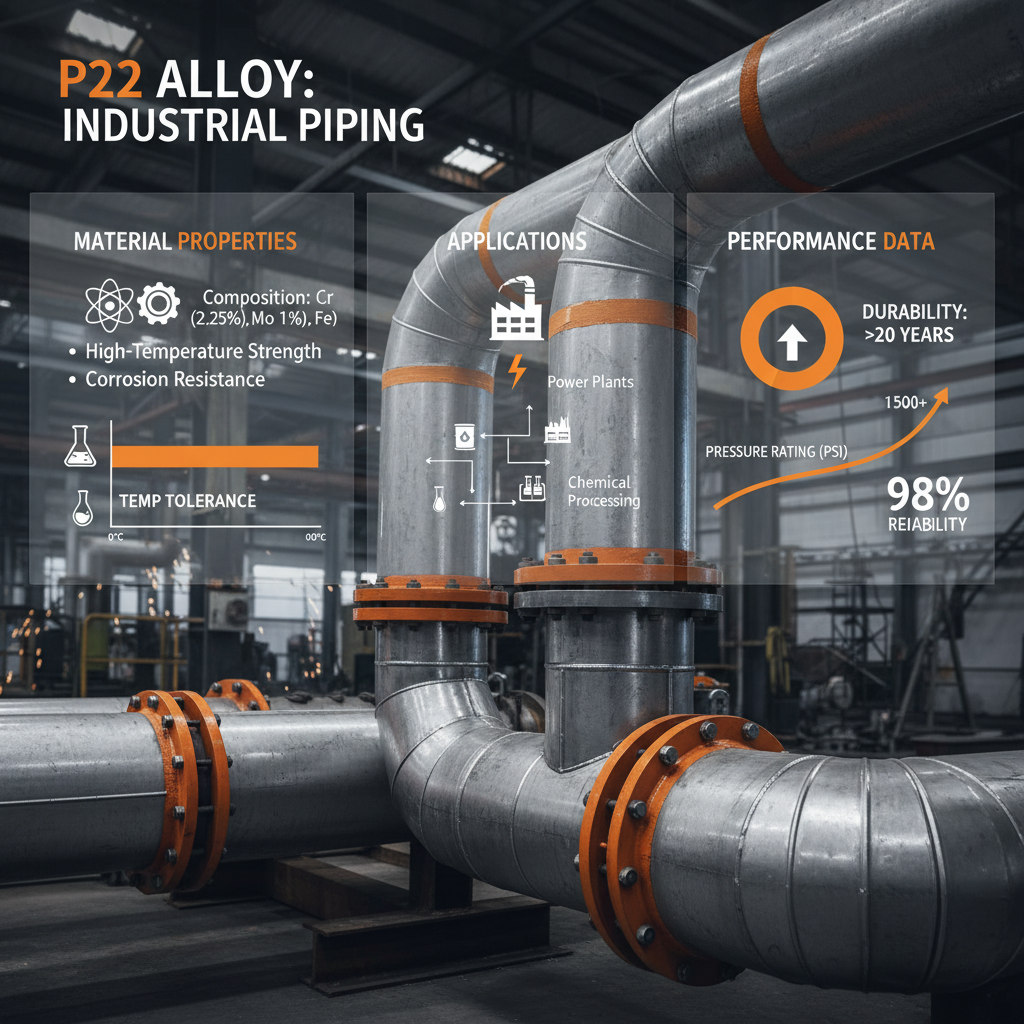
Product Specifications & Available Forms
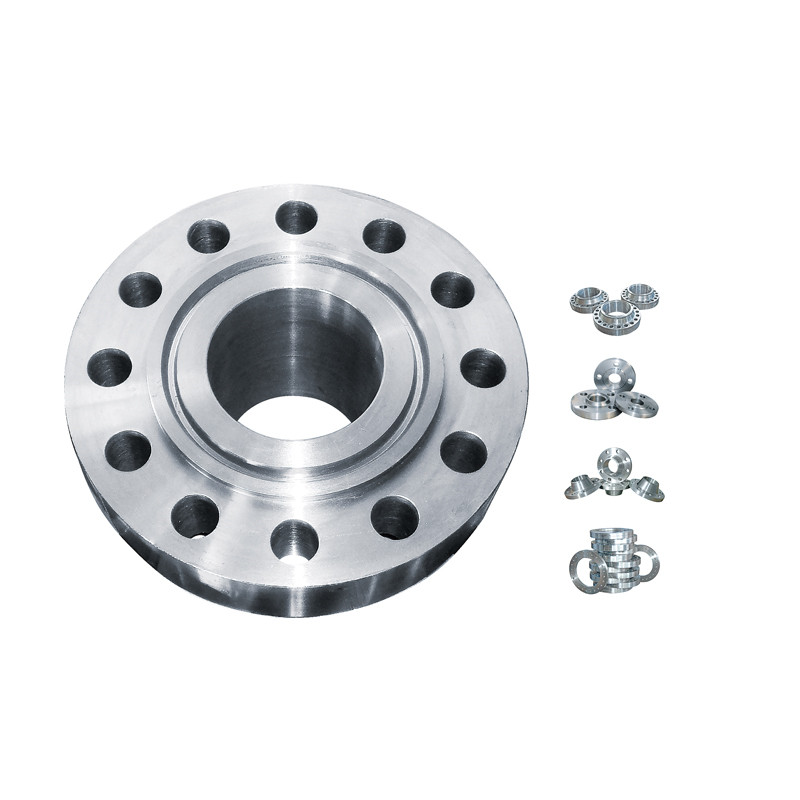
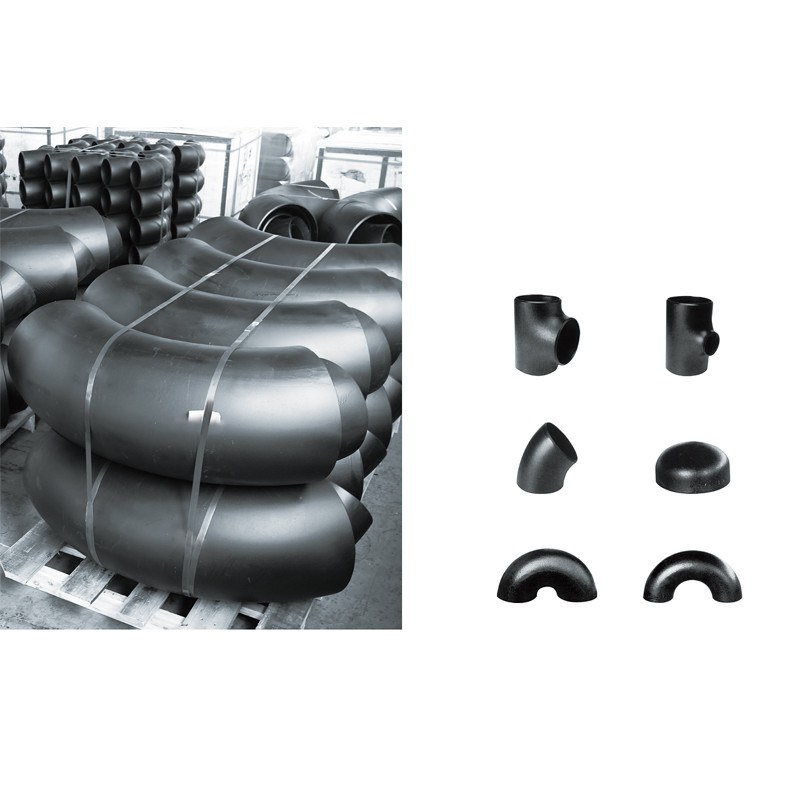
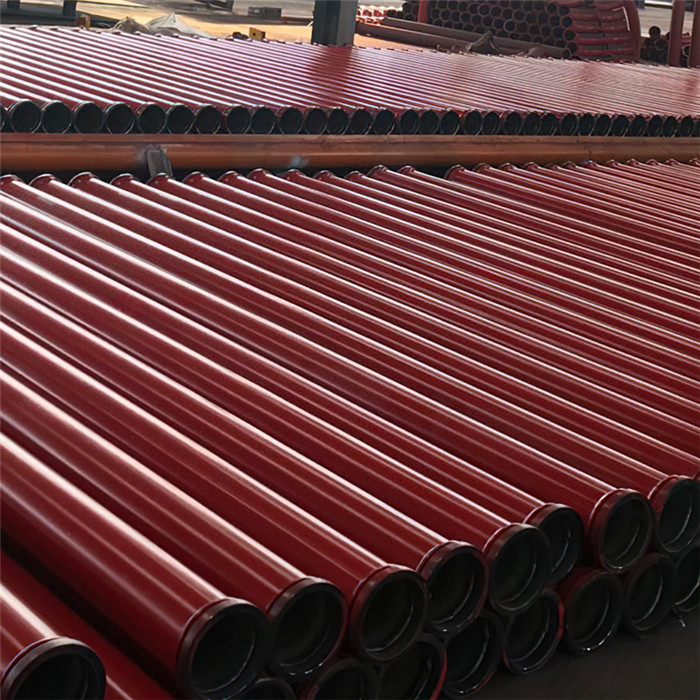
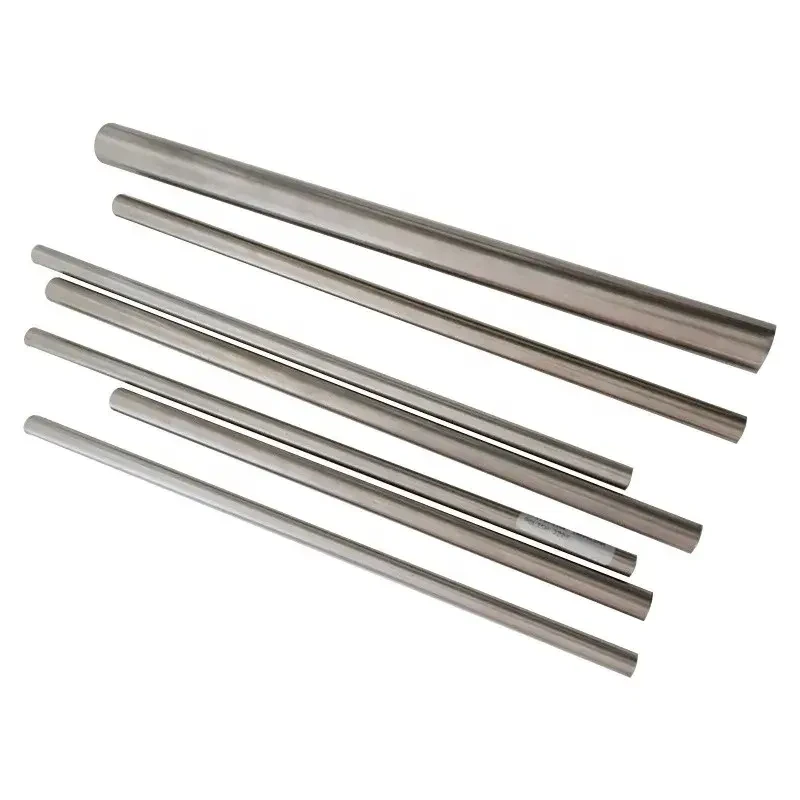
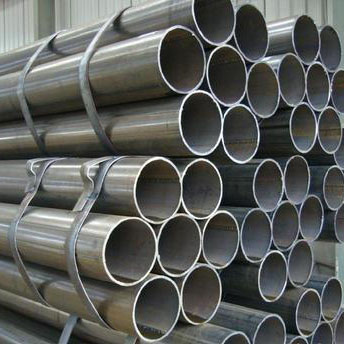
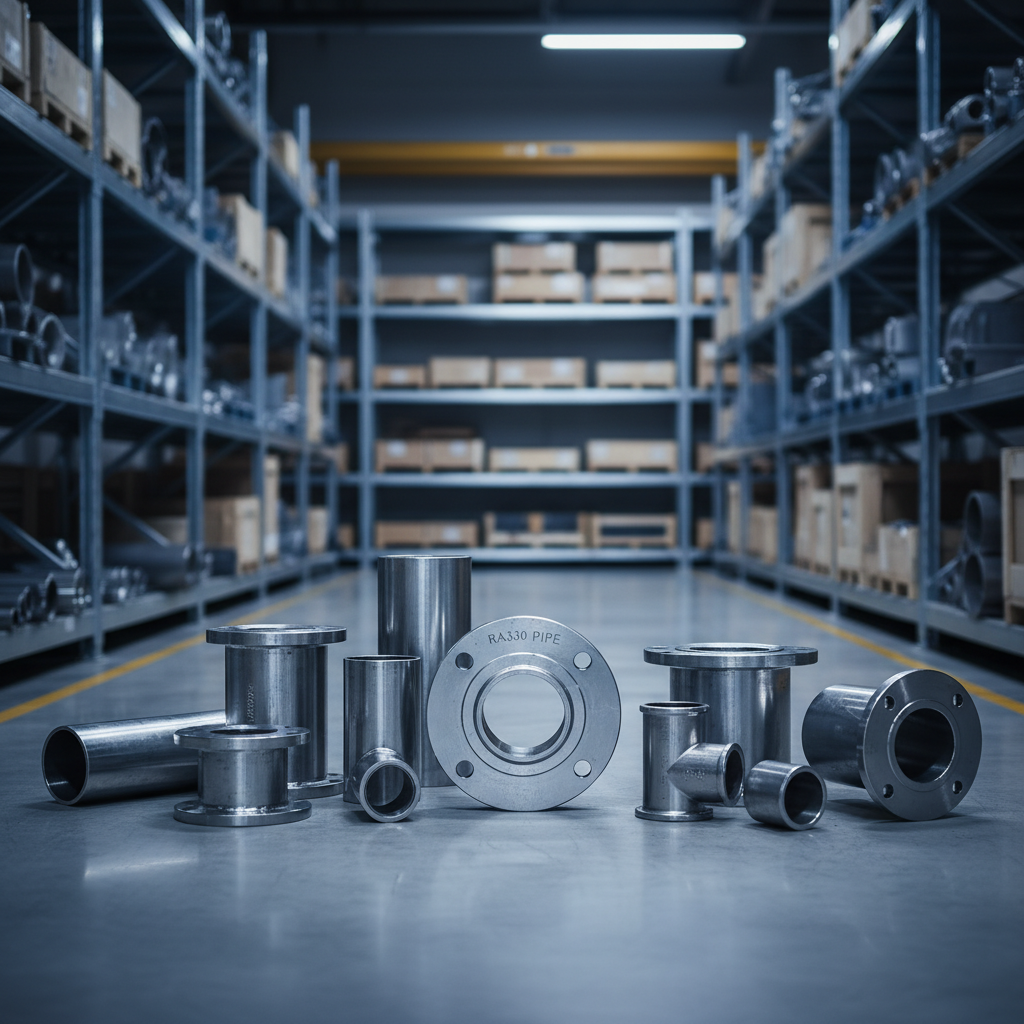
P22 alloy is commonly available in various forms to suit different fabrication needs. These include seamless tubes, welded tubes, pipes, fittings, and forged components. The material specifications typically adhere to ASTM A335 P22. Below is a table outlining common product specifications:
Conclusion: Ensuring Reliability with P22 Alloy
P22 alloy remains a critical material for high-temperature applications, particularly within the power generation sector. Its unique combination of strength, creep resistance, and weldability make it a cost-effective and reliable choice for demanding environments. Selecting a trustworthy steel supplier like World Steel Material is essential for obtaining high-quality P22 alloy that meets your project specifications. Investing in quality materials like P22 translates to increased efficiency, reduced downtime, and enhanced safety.
Frequently Asked Questions (FAQs)
What is the typical service temperature range for P22 alloy?
P22 alloy is generally suitable for continuous service temperatures up to 585°C (1085°F). However, its long-term performance is optimized within a range of 425°C to 540°C (800°F to 1000°F). Exceeding these temperatures can lead to a decrease in creep resistance and accelerated oxidation. The specific operating temperature should be determined based on the application's requirements and safety factors. Understanding temperature limitations is crucial for ensuring the longevity and safety of components made from P22 alloy.
How does P22 alloy perform in corrosive environments?
P22 alloy exhibits good resistance to oxidation and moderate corrosion in many environments. However, it is susceptible to corrosion in highly acidic or chloride-containing environments. The chromium content provides some protection against oxidizing agents, but additional corrosion-resistant coatings or materials might be necessary for extreme conditions. Careful consideration of the operating environment is essential when selecting P22 alloy for corrosive applications.
What are the common welding techniques used for P22 alloy?
P22 alloy can be readily welded using conventional techniques such as shielded metal arc welding (SMAW), gas metal arc welding (GMAW), and gas tungsten arc welding (GTAW). Preheating is often recommended to reduce the risk of cracking during welding. Post-weld heat treatment may also be necessary to restore the alloy's mechanical properties. Proper welding procedures and qualified welders are crucial for ensuring the integrity of welded P22 alloy components.
Where can I find reliable P22 alloy suppliers?
Choosing a reliable supplier is paramount. World Steel Material is a trusted source for high-quality P22 alloy products, offering a wide range of forms and sizes. Look for suppliers with certifications, material test reports, and a proven track record of delivering consistently high-quality materials.
Post time: Mar . 19, 2026 02:35
 English
  Arabic
  Bengali
  China
China  French
  German
  Hausa
Hausa  Indonesian
  Italian
  Japanese
  Javanese
  Malay
Malay  Persian
  Portuguese
  Punjabi
  Russian
  Spanish
  Swahili
  Telugu
  Vietnamese