

Understanding Nitronic 60 Tubing: A Comprehensive Guide
Nitronic 60 tubing is a specialized stainless steel alloy renowned for its exceptional corrosion resistance, high strength, and excellent mechanical properties. Widely used in demanding applications across various industries, including oil and gas, chemical processing, and aerospace, Nitronic 60 tubing offers superior performance compared to conventional stainless steels. This article provides an in-depth look at its composition, properties, applications, and benefits, helping you understand why it's a preferred material for critical engineering projects.
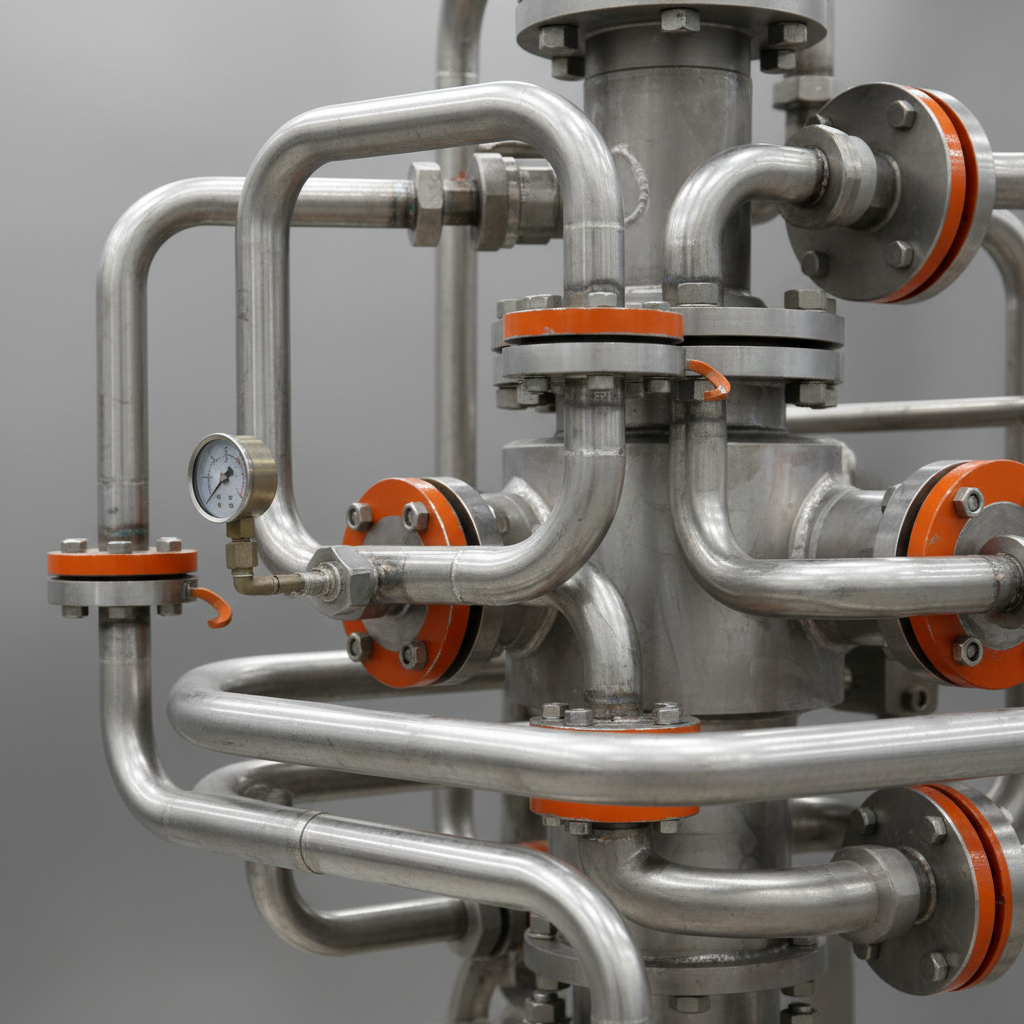
What is Nitronic 60 Tubing?
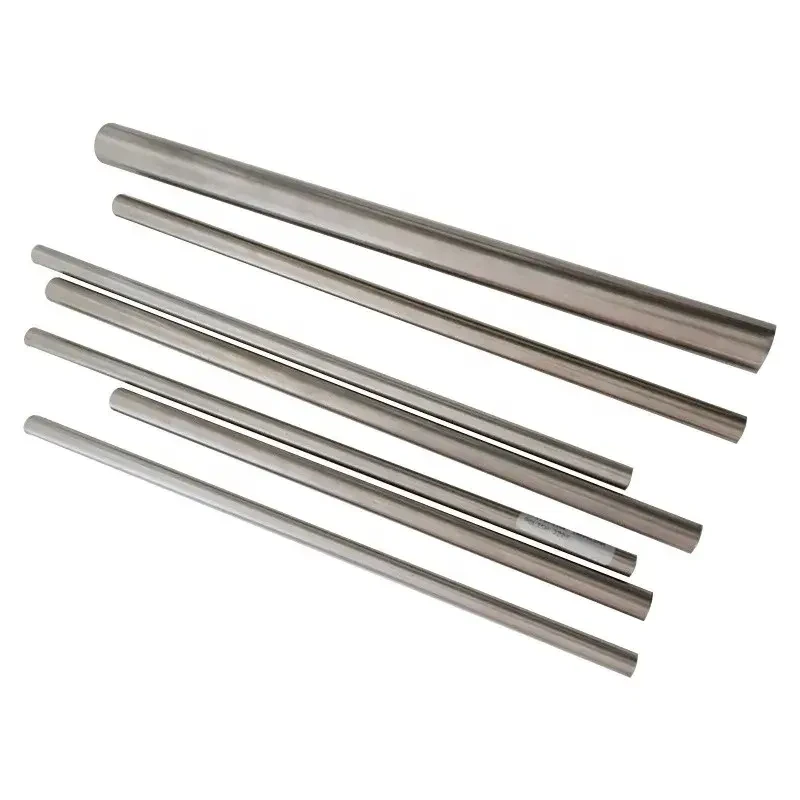
Nitronic 60 is an austenitic stainless steel alloy containing significant amounts of manganese and nitrogen. These elements contribute to its unique characteristics, making it significantly tougher and more resistant to chloride stress corrosion cracking than 304/316 stainless steels. The addition of nitrogen also enhances its strength and reduces the need for heat treatment in some applications. The 'tubing' form refers to hollow sections of this alloy, manufactured to precise dimensions for fluid transport, structural support, and various other engineering purposes. You can find a wide range of Nitronic 60 tubing options at World Steel Material, tailored to meet diverse project requirements.
Key Highlights: Enhanced corrosion resistance, high strength, excellent toughness, and resistance to chloride stress corrosion cracking.
Key Properties of Nitronic 60 Tubing
Nitronic 60 exhibits a compelling set of properties that make it ideal for challenging environments. These include a high yield strength, allowing it to withstand substantial pressure and stress. It also demonstrates exceptional ductility, enabling it to be formed and bent without fracturing. Crucially, its pitting resistance equivalent number (PREN) is significantly higher than conventional stainless steels, indicating superior resistance to localized corrosion. This alloy also boasts a low coefficient of thermal expansion, minimizing dimensional changes with temperature fluctuations.
Key Property Benefits:
• High Yield Strength: Ensures structural integrity under pressure.
• Excellent Ductility: Facilitates forming and bending operations.
• High PREN: Superior resistance to localized corrosion.
• Low Thermal Expansion: Dimensional stability across temperature ranges.
Nitronic 60 Tubing vs. 316 Stainless Steel: A Detailed Comparison
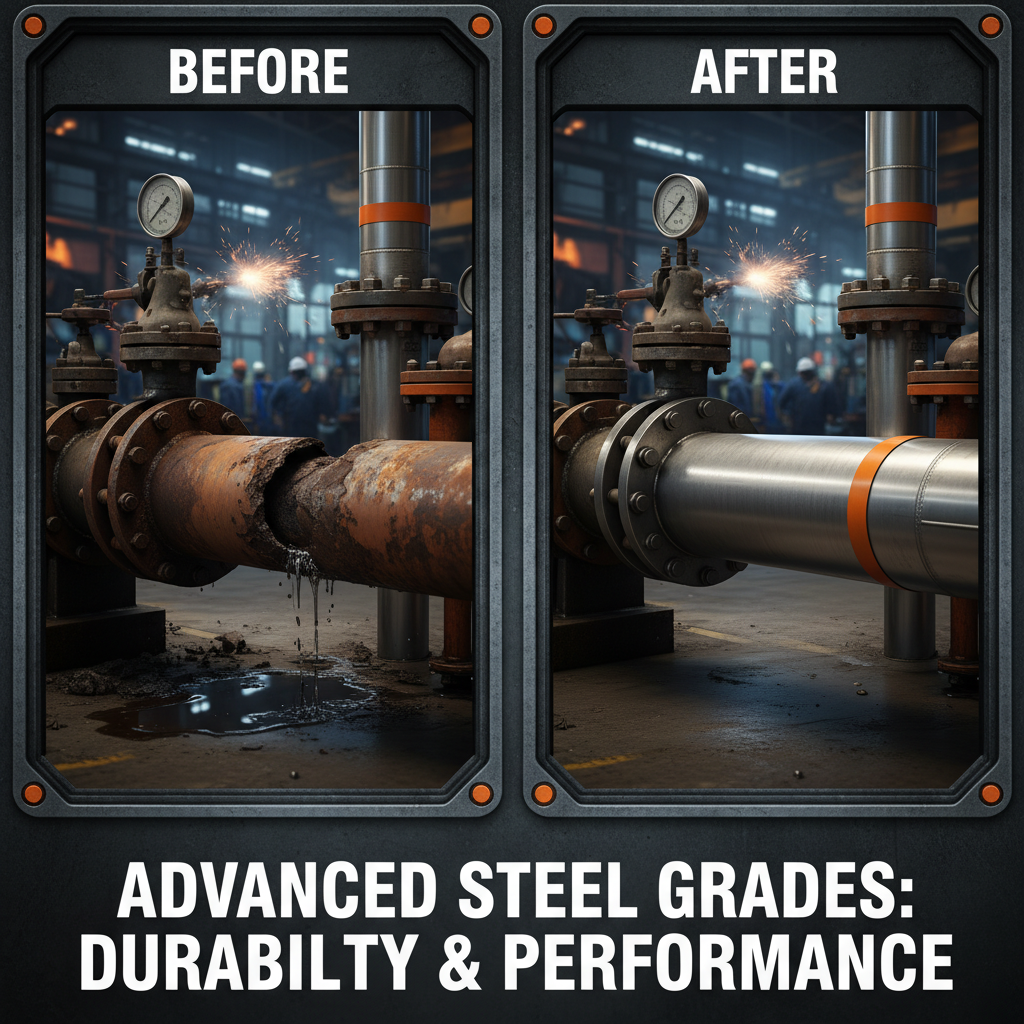
While 316 stainless steel is a commonly used corrosion-resistant alloy, Nitronic 60 offers significant advantages in specific applications, particularly those involving chloride exposure. The enhanced nitrogen content in Nitronic 60 dramatically improves its resistance to chloride stress corrosion cracking, a common failure mode in marine environments and chemical processing. Furthermore, Nitronic 60 generally exhibits higher strength and toughness. However, 316 stainless steel is often more readily available and cost-effective for less demanding applications.
Applications of Nitronic 60 Tubing
Due to its exceptional properties, Nitronic 60 tubing finds applications in a wide variety of industries. In the oil and gas sector, it's used in downhole tubing and components exposed to harsh, corrosive environments. Chemical processing plants utilize it for handling aggressive chemicals. The aerospace industry employs it for hydraulic lines and structural components where high strength and corrosion resistance are critical. Other applications include marine engineering, power generation, and medical devices. Explore the product range to see how Nitronic 60 can benefit your specific application.
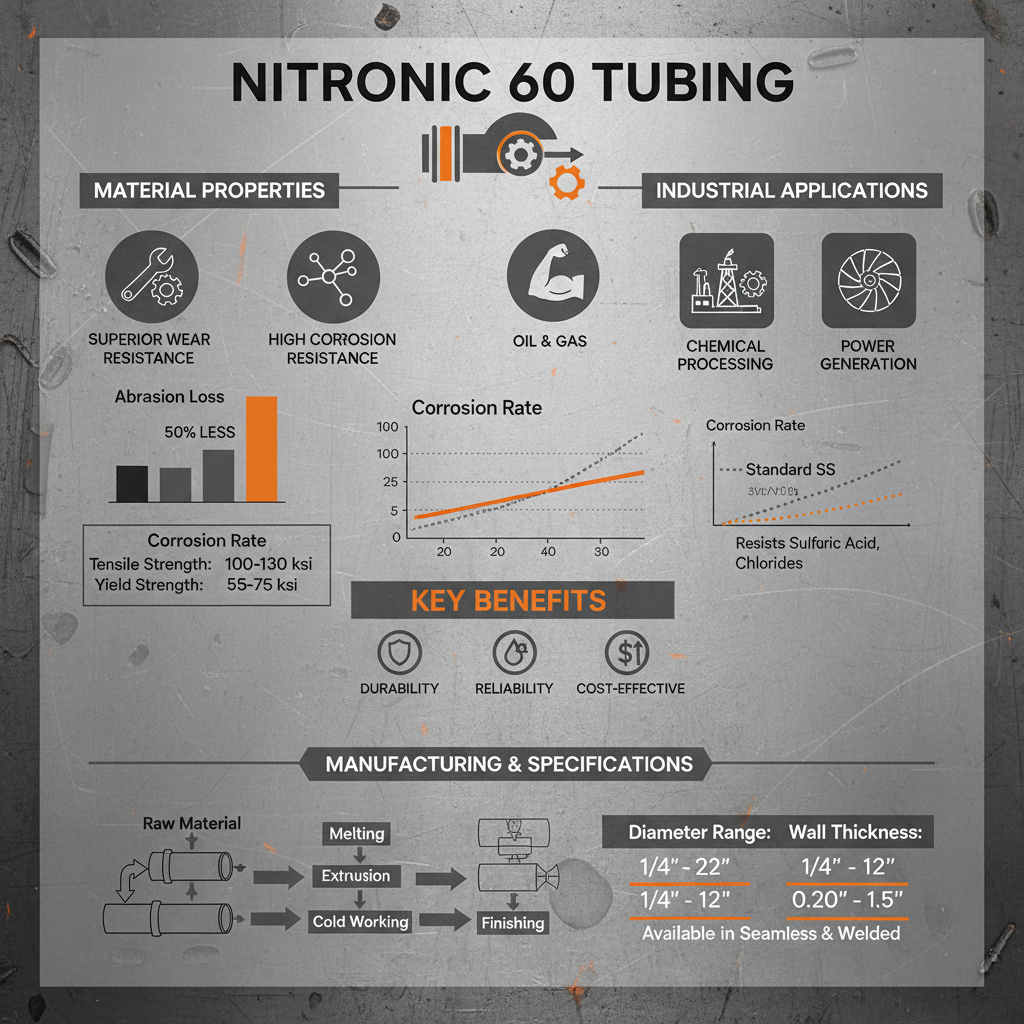
Nitronic 60 Tubing Specifications and Available Sizes
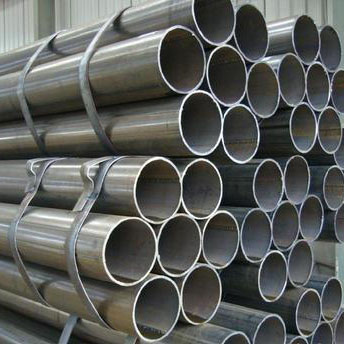
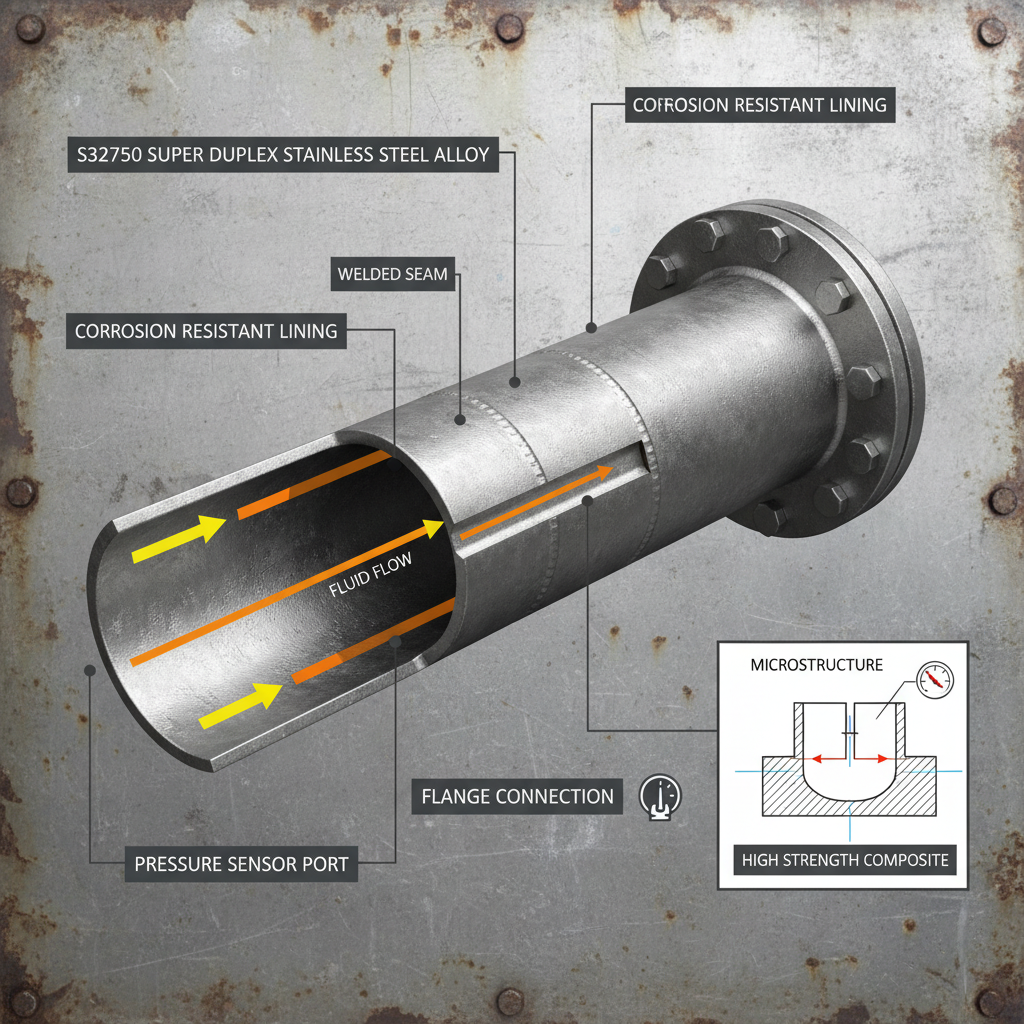
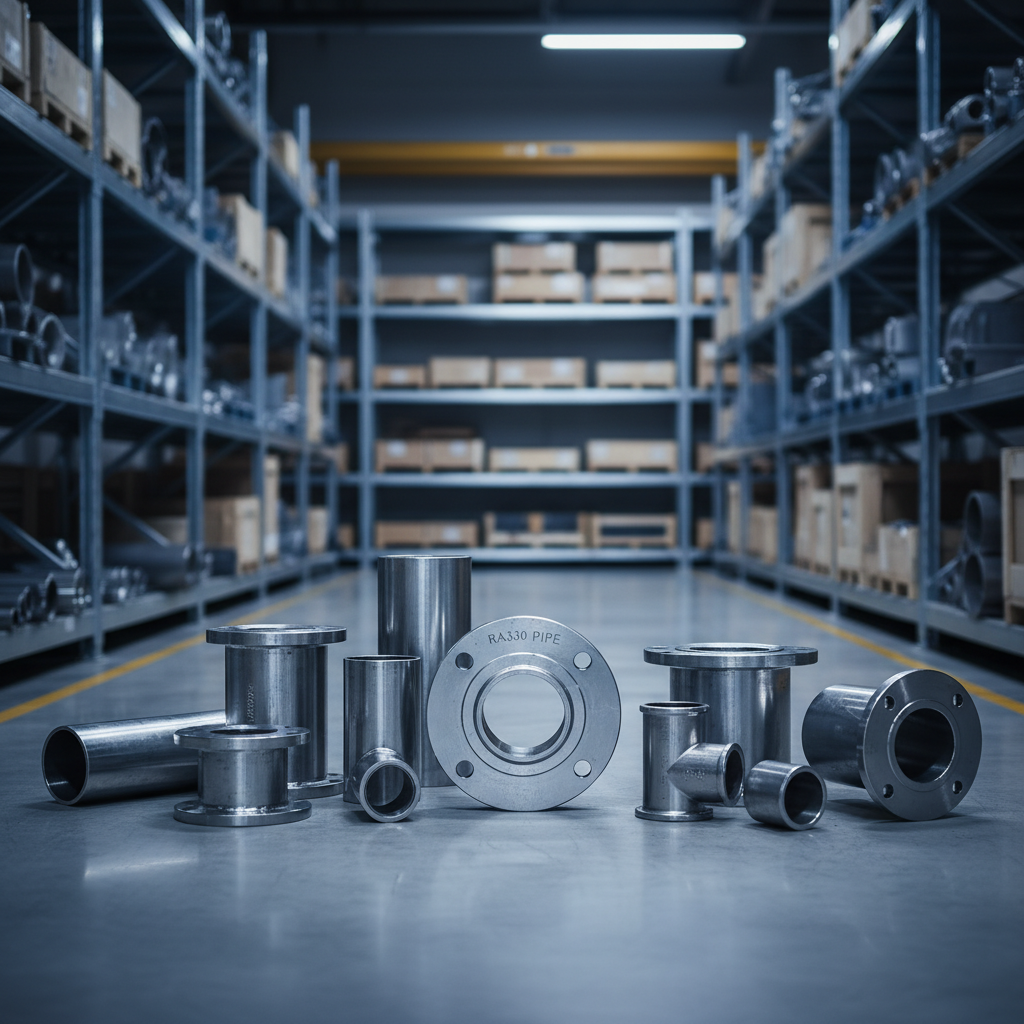
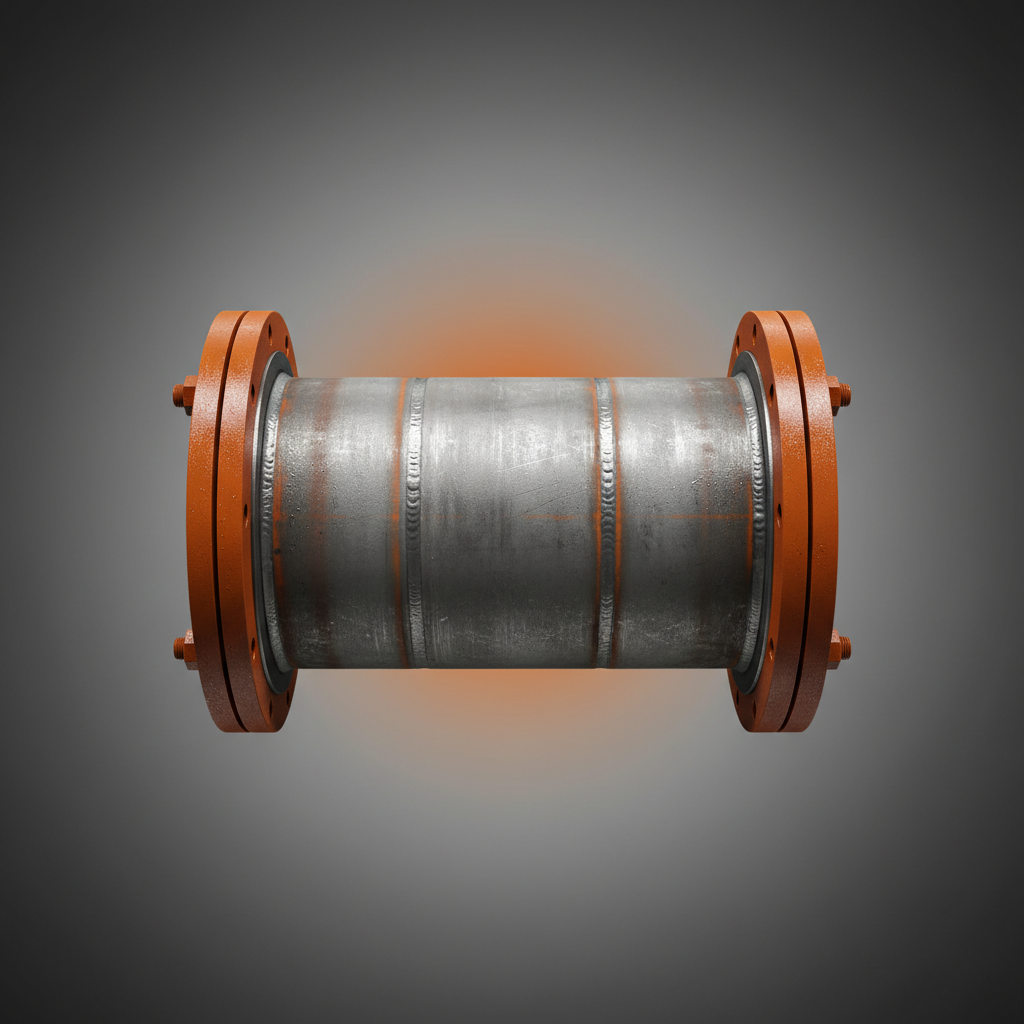
Nitronic 60 tubing is available in a range of sizes and specifications to meet diverse project needs. Common sizes include outer diameters ranging from 1/8" to 4" and wall thicknesses varying from schedule 5S to schedule 80S. It can be supplied in seamless and welded configurations, depending on the application requirements. Common standards include ASTM A276 and ASTM A269. Contact World Steel Material for detailed specifications and custom fabrication options.
Conclusion: The Superior Choice for Demanding Applications
Nitronic 60 tubing is a premium material offering exceptional performance in corrosive and high-stress environments. Its superior resistance to chloride stress corrosion cracking, combined with its high strength and toughness, makes it an ideal choice for critical applications across numerous industries. If you are looking for a reliable and durable solution, contact World Steel Material to explore our Nitronic 60 tubing options.
Frequently Asked Questions (FAQs)
What makes Nitronic 60 superior to other stainless steel alloys in chloride environments?
Nitronic 60’s superior performance in chloride environments stems from its unique chemical composition, specifically the addition of manganese and nitrogen. These elements create a more stable austenitic structure, which significantly enhances its resistance to chloride stress corrosion cracking (CSCC). CSCC is a common failure mode in stainless steels exposed to chloride-containing solutions, such as seawater or chemical processing fluids. Conventional 304 or 316 stainless steels are more susceptible to CSCC, making Nitronic 60 a preferred choice for applications where chloride exposure is a concern. The nitrogen also promotes the formation of passive films on the surface, further enhancing corrosion resistance.
Can Nitronic 60 tubing be welded?
Yes, Nitronic 60 tubing can be welded using standard welding techniques suitable for austenitic stainless steels, such as GTAW (Gas Tungsten Arc Welding) and GMAW (Gas Metal Arc Welding). However, it’s important to use appropriate filler metals to maintain the alloy’s properties and corrosion resistance. Post-weld heat treatment is generally not required, but may be recommended in certain applications to optimize mechanical properties. It's vital to follow recommended welding procedures to prevent sensitization and ensure a strong, corrosion-resistant weld.
What industries benefit most from using Nitronic 60 tubing?
Several industries significantly benefit from the properties of Nitronic 60 tubing. The oil and gas industry utilizes it for downhole components and pipelines due to its resistance to corrosion in harsh environments. Chemical processing plants rely on it for handling aggressive chemicals. The aerospace industry employs it for hydraulic lines and structural components requiring high strength and corrosion resistance. Marine engineering applications, power generation, and even the medical device industry also benefit from its superior performance.
What is the typical lead time for Nitronic 60 tubing orders?
Lead times for Nitronic 60 tubing orders can vary depending on the size, quantity, and specific configuration required. Standard sizes and configurations typically have shorter lead times, often within 2-4 weeks. Custom orders or larger quantities may require longer lead times, potentially 6-8 weeks or more. It is best to contact World Steel Material directly for a precise quote and estimated delivery schedule for your specific requirements.
Post time: Mar . 12, 2026 02:35
 English
  Arabic
  Bengali
  China
China  French
  German
  Hausa
Hausa  Indonesian
  Italian
  Japanese
  Javanese
  Malay
Malay  Persian
  Portuguese
  Punjabi
  Russian
  Spanish
  Swahili
  Telugu
  Vietnamese