

Understanding Low Alloy Steel Pipe: Applications & Benefits
In the world of industrial piping, low alloy steel pipe stands out for its strength, durability, and cost-effectiveness. This article provides a comprehensive overview of this crucial material, exploring its composition, key properties, diverse applications, and advantages over other piping options. We will dive into the specifications and standards that govern its production, ensuring you have a clear understanding of why this pipe is a preferred choice in numerous industries. Selecting the right steel pipe is essential for safety and longevity, and this guide will equip you with the knowledge to make informed decisions.
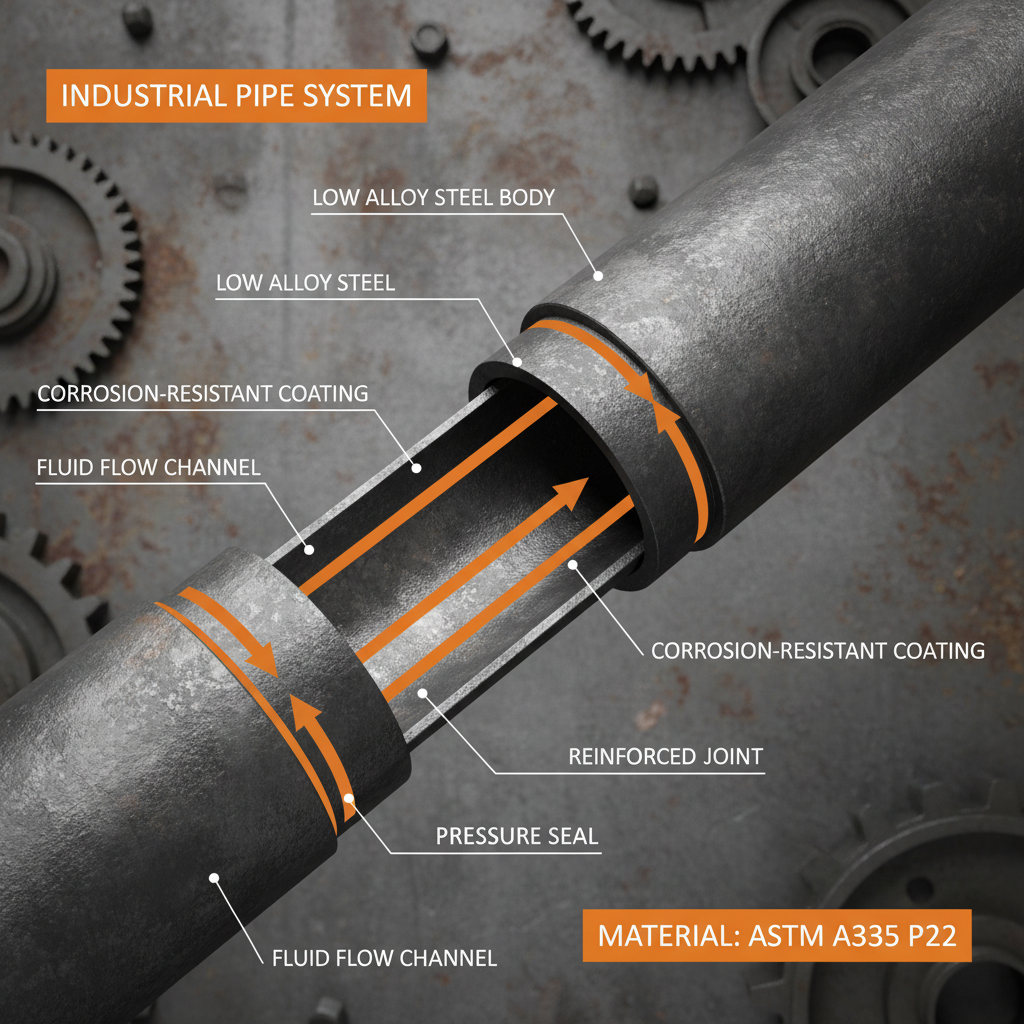
What is Low Alloy Steel Pipe?
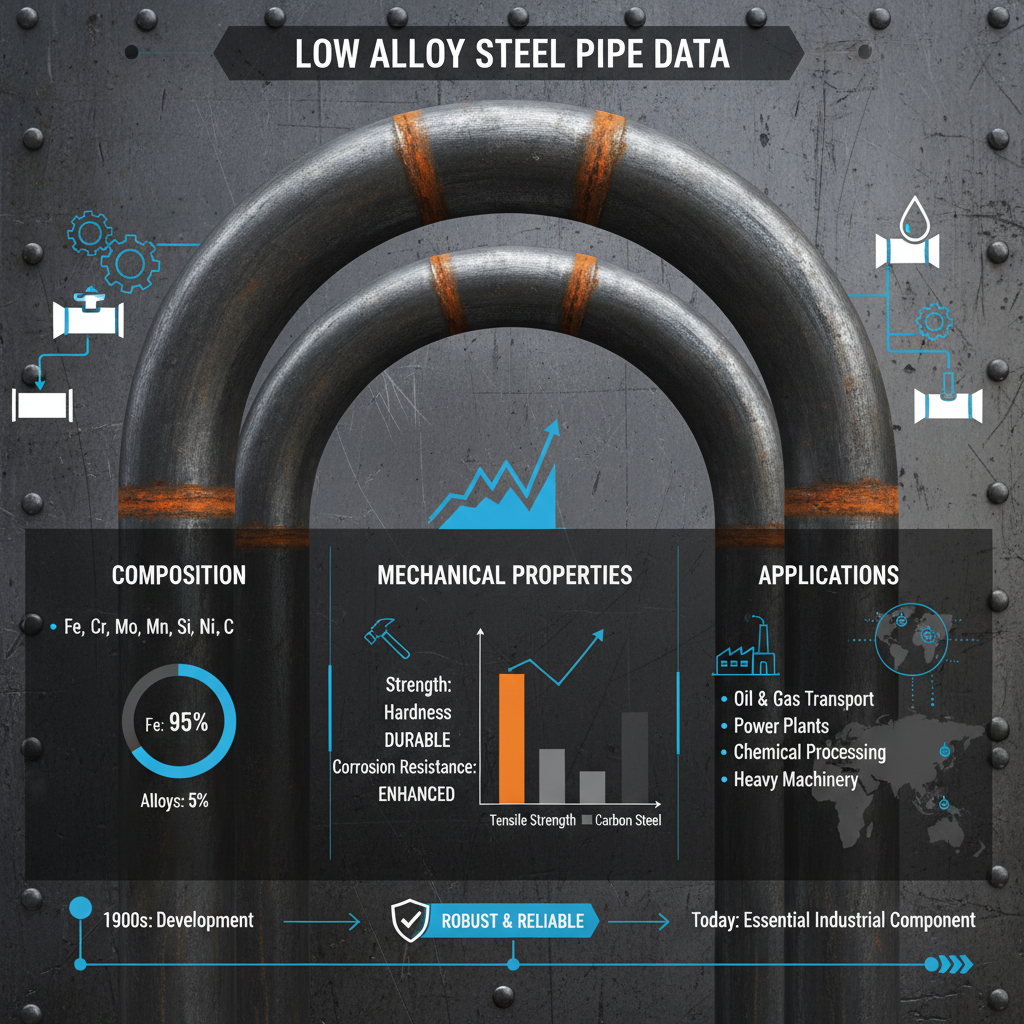
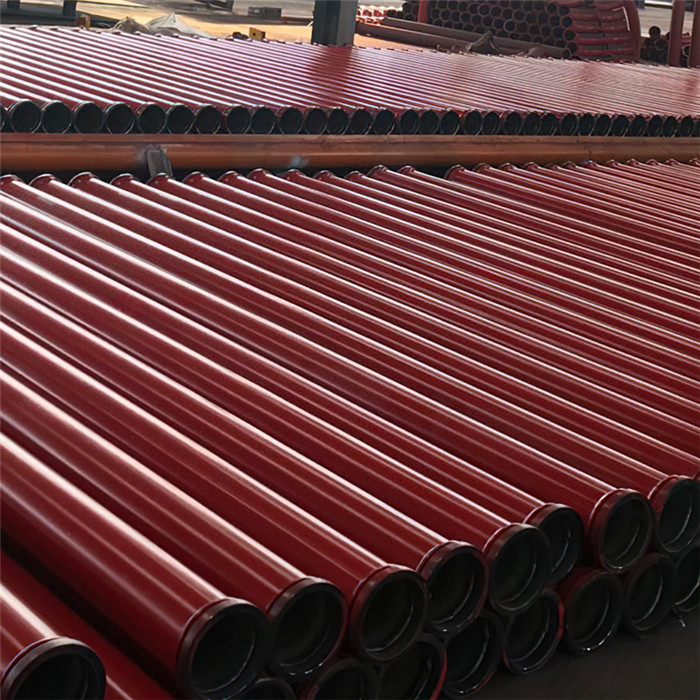
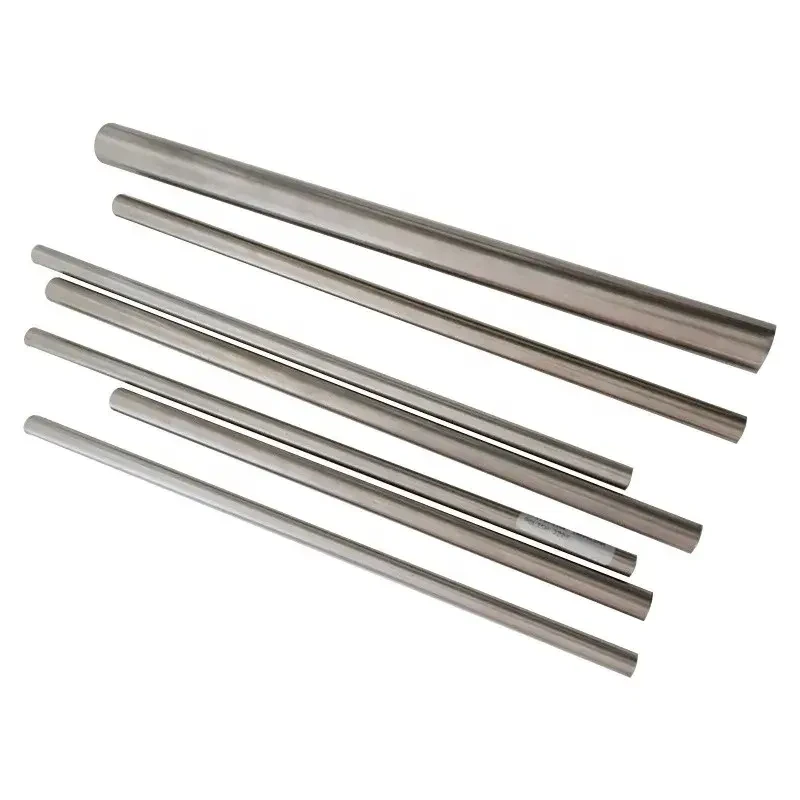
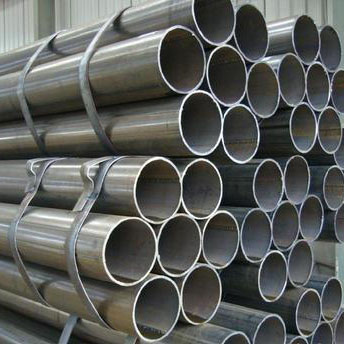
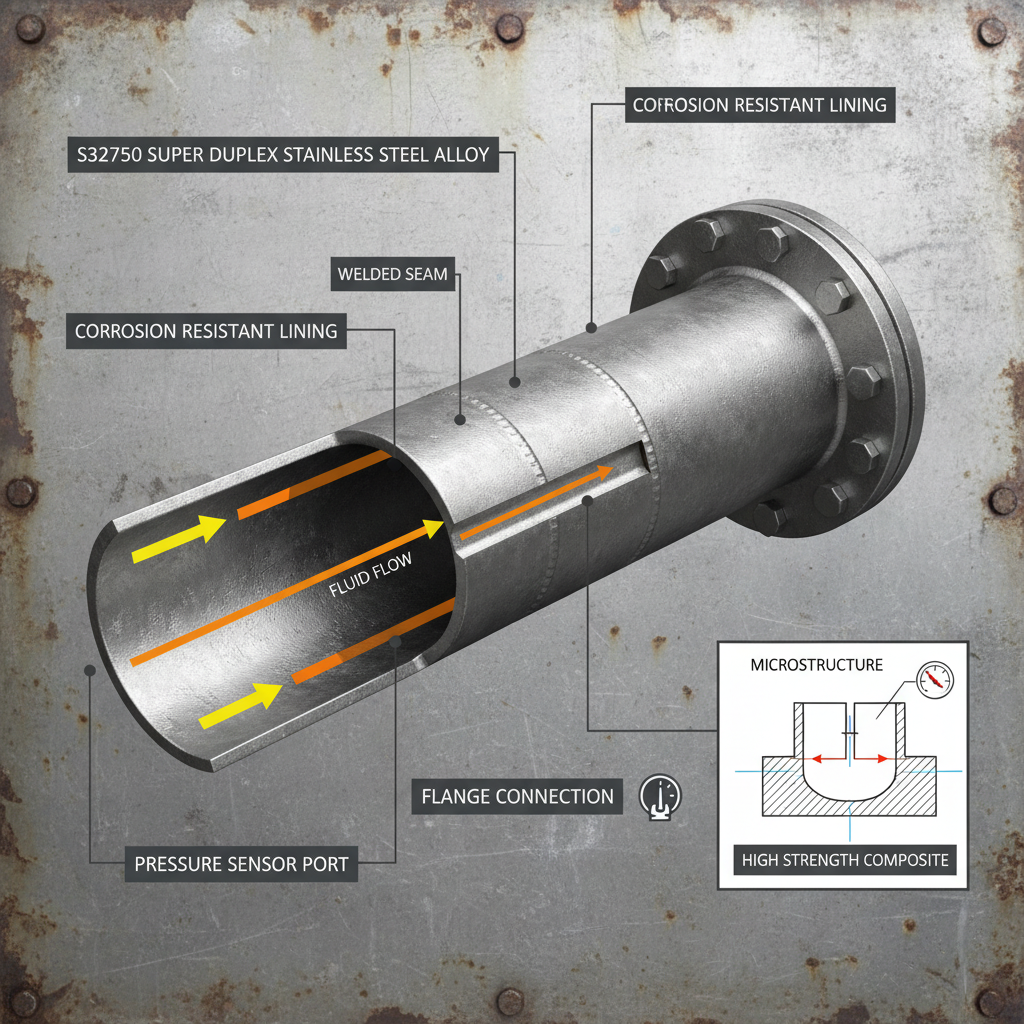
Low alloy steel pipe is manufactured using steel that contains small percentages of alloying elements – typically less than 5% by weight. These alloying elements, such as manganese, chromium, nickel, and molybdenum, are added to carbon steel to enhance specific properties like strength, toughness, corrosion resistance, and weldability. This results in a pipe that offers superior performance compared to standard carbon steel, especially in demanding applications. It's often preferred where higher strength or resistance to elevated temperatures is needed. World-SteelMaterial provides a wide range of low alloy steel pipes tailored to meet various industry needs.
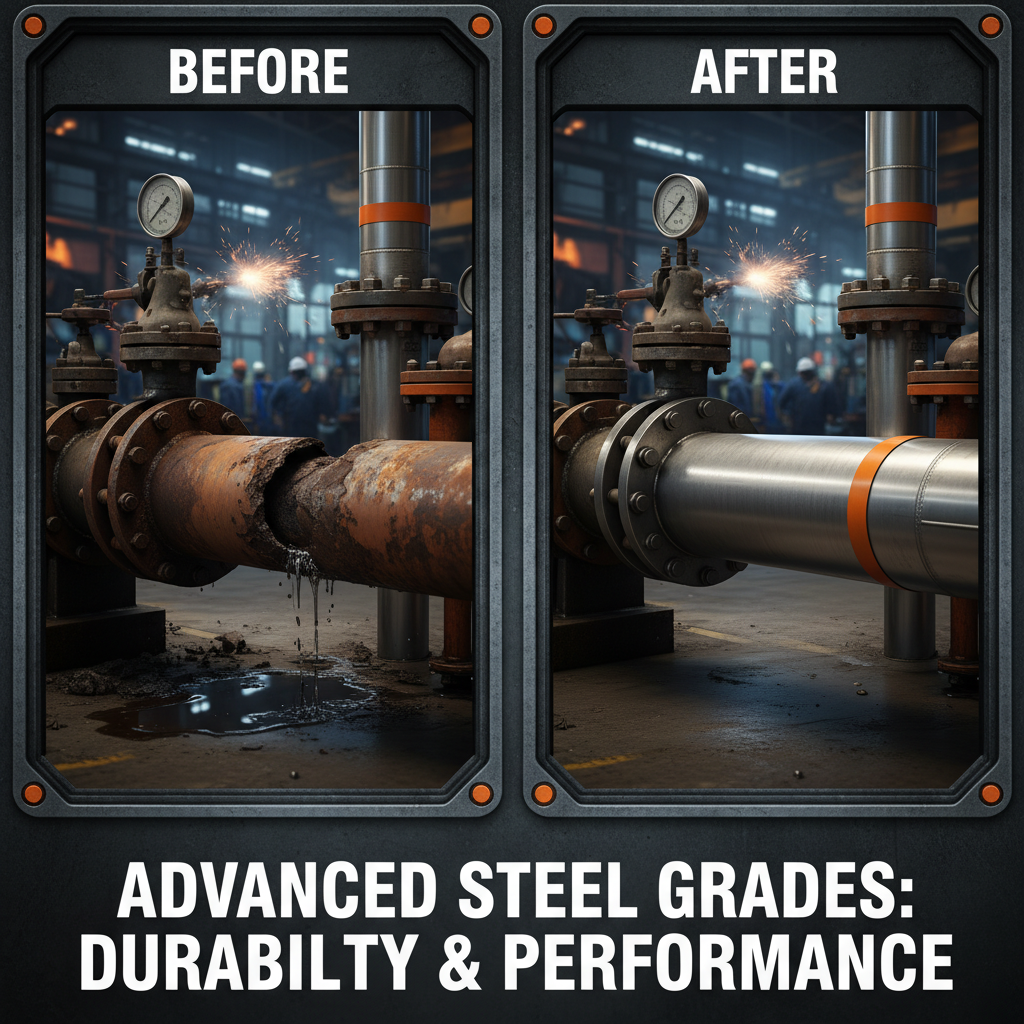
Key Highlights: Low alloy steel pipes are engineered to deliver enhanced strength, improved corrosion resistance, and increased durability, making them ideal for challenging industrial environments.
Common Applications of Low Alloy Steel Pipe
The versatility of low alloy steel pipe makes it a valuable component in numerous industries. Some of the most common applications include:
- Oil and Gas Industry: For transporting oil, gas, and related products, especially in high-pressure and high-temperature environments.
- Power Generation: In power plants for steam lines, feedwater lines, and other critical applications.
- Chemical Processing: For handling corrosive chemicals and high-temperature fluids.
- Construction: As structural components and for fluid transport systems.
- Automotive Industry: In exhaust systems and other high-stress applications.
Low Alloy Steel Pipe vs. Carbon Steel Pipe: A Comparative Overview
While both low alloy and carbon steel pipes serve similar functions, they differ significantly in their properties and suitability for specific applications. Here's a comparison:
Common Grades and Specifications
Low alloy steel pipes are available in various grades, each offering a different combination of properties. Common grades include:
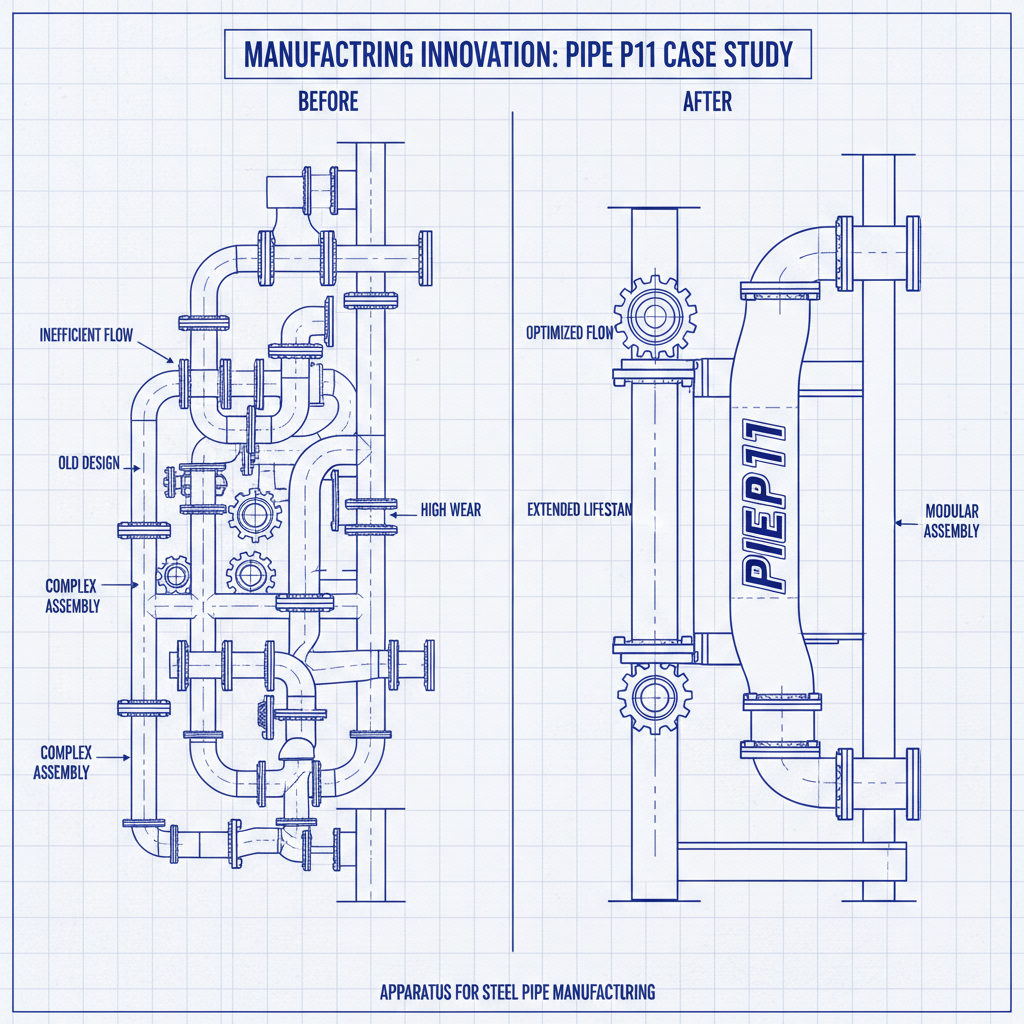
- ASTM A335 (P11, P22, P91): Primarily used in high-temperature and high-pressure applications, like power plants.
- ASTM A53 Grade B: A general-purpose alloy steel pipe suitable for a wide range of applications.
- API 5L X42, X52, X60: Commonly used in the oil and gas industry for pipelines.
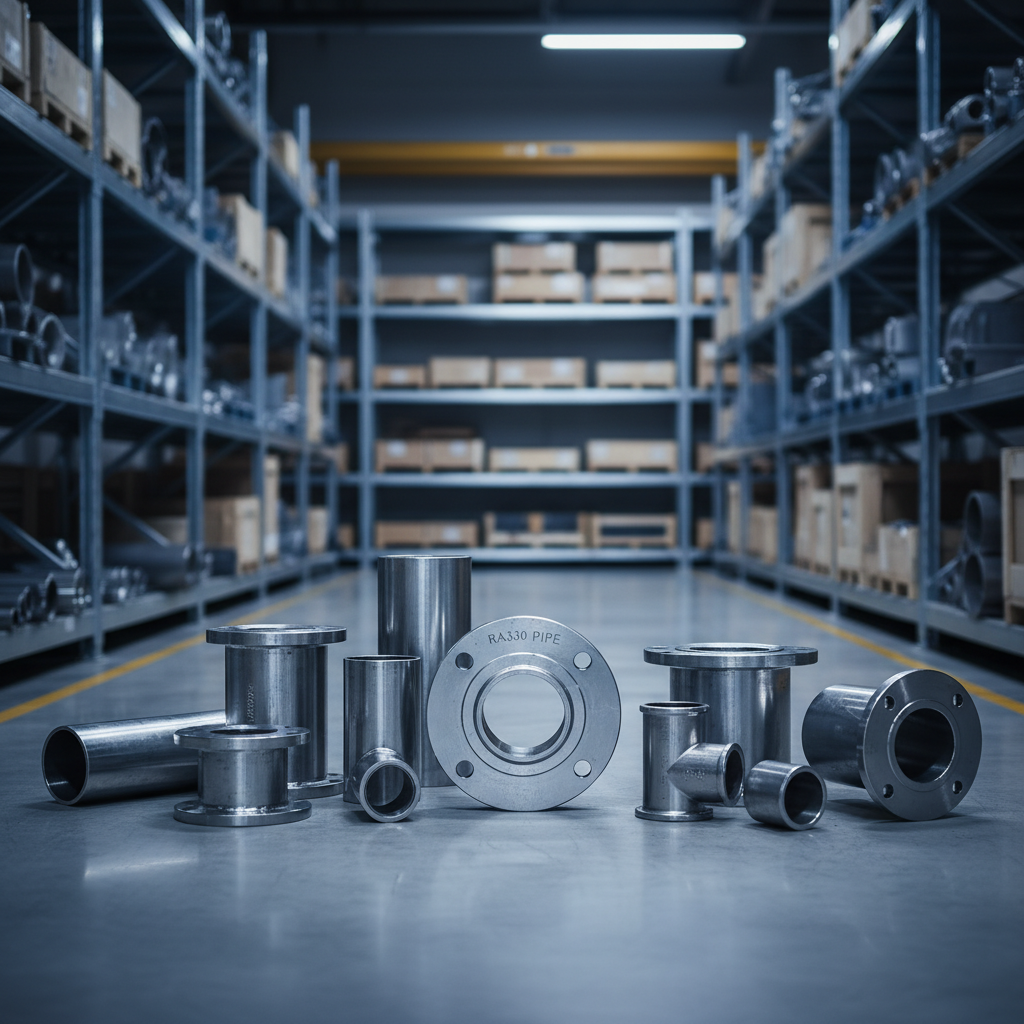
These pipes are manufactured to meet stringent industry standards, including those set by ASTM, API, and ASME, ensuring quality and reliability. Contact World-SteelMaterial for detailed specifications and material certifications.
Benefits of Choosing Low Alloy Steel Pipe
Investing in low alloy steel pipe offers numerous advantages:
- Enhanced Durability: Resistant to wear and tear, extending the lifespan of your piping systems.
- Increased Strength: Able to withstand high pressures and temperatures.
- Improved Corrosion Resistance: Reduces the risk of leaks and failures.
- Reduced Maintenance Costs: Longer lifespan translates to fewer repairs and replacements.
- Cost-Effectiveness: While initially more expensive than carbon steel, the long-term benefits often outweigh the higher upfront cost.
Conclusion: A Reliable Choice for Demanding Applications
Low alloy steel pipe is a versatile and robust material offering superior performance in challenging industrial environments. Its strength, durability, and resistance to corrosion make it a cost-effective solution for a wide range of applications. World-SteelMaterial is a trusted supplier of high-quality low alloy steel pipes, providing expert guidance and tailored solutions to meet your specific needs.
Frequently Asked Questions (FAQs)
What is the typical tensile strength of low alloy steel pipe?
The tensile strength of low alloy steel pipe varies depending on the specific grade and heat treatment. However, it generally ranges from 57,000 to 90,000 psi (393 to 620 MPa). For example, ASTM A335 P11 typically has a tensile strength of 65,000 psi minimum, while P22 can reach 70,000 psi. Higher tensile strength allows the pipe to withstand greater stresses without yielding or fracturing, making it suitable for high-pressure applications. It's important to consult the material specification sheet for the exact tensile strength of the specific grade you are considering.
How is low alloy steel pipe welded?
Low alloy steel pipe is typically welded using shielded metal arc welding (SMAW), gas tungsten arc welding (GTAW), or submerged arc welding (SAW). The specific welding procedure depends on the grade of steel and the application requirements. Preheating is often necessary to reduce the risk of cracking, and post-weld heat treatment (PWHT) may be required to relieve stress and improve the weld's properties. Qualified welders using appropriate filler metals are essential to ensure a strong, reliable weld.
What are the typical wall thicknesses available for low alloy steel pipes?
Low alloy steel pipes are available in a range of wall thicknesses, typically expressed in schedule numbers (e.g., Schedule 40, Schedule 80, Schedule 160). Schedule 40 pipes have a thinner wall, suitable for lower-pressure applications, while Schedule 80 and 160 have thicker walls for higher pressures and temperatures. Common wall thicknesses range from 0.154 inches (3.91 mm) for Schedule 40 to 0.500 inches (12.7 mm) or more for Schedule 160. The appropriate wall thickness is determined by factors such as pressure, temperature, fluid type, and safety factors.
Post time: Mar . 07, 2026 02:25
 English
  Arabic
  Bengali
  China
China  French
  German
  Hausa
Hausa  Indonesian
  Italian
  Japanese
  Javanese
  Malay
Malay  Persian
  Portuguese
  Punjabi
  Russian
  Spanish
  Swahili
  Telugu
  Vietnamese