

Understanding 304 304L Stainless Steel Tube: A Global Industrial Backbone
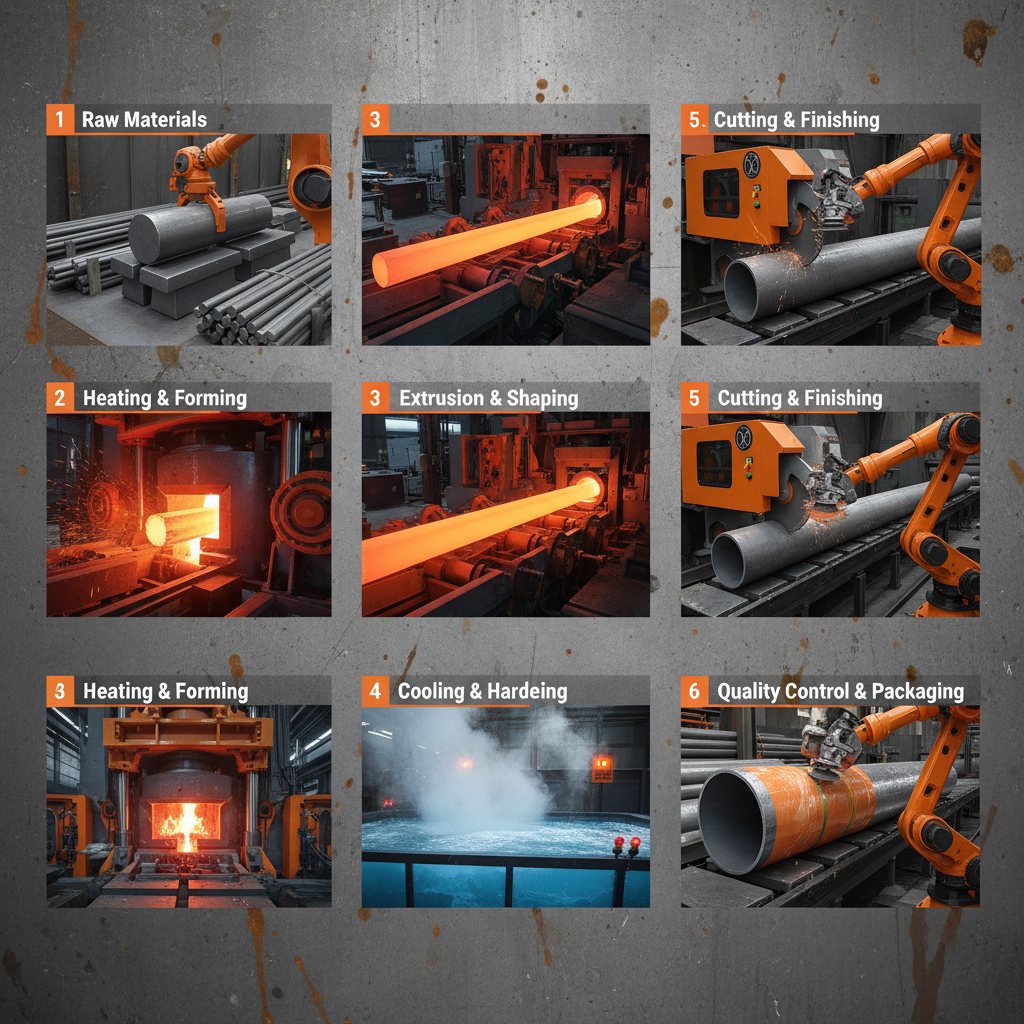
Let's talk about 304 304l stainless steel tube. You might wonder why a simple metal tube deserves such worldwide attention. Frankly, it's one of those unsung heroes of modern industry that keeps so many sectors running smoothly—from construction and food processing to medical equipment. And with increasing global priorities on sustainability and durability, understanding this material is more critical than ever.
Globally, stainless steel production is steady, with the World Steel Association estimating over 55 million tonnes produced annually (with 304 and 304L grades leading the pack). This isn't just about shiny pipes—304 stainless steel tubes combine corrosion resistance, strength, and versatility in ways that make them indispensable for everything from chemical plants in Europe to water supply systems in Asia. But how exactly does this happen? And why do these grades matter so much, especially in evolving industries?
Defining 304 and 304L Stainless Steel Tubes
To put it simply, 304 stainless steel is the most widely used "austenitic" grade—meaning it has a certain crystalline structure that gives it excellent corrosion resistance and mechanical properties. The “304L” variation is just like 304 but with lower carbon content, which improves weldability and reduces the risk of carbide precipitation during welding—a crucial factor in maintaining corrosion resistance in welded parts.
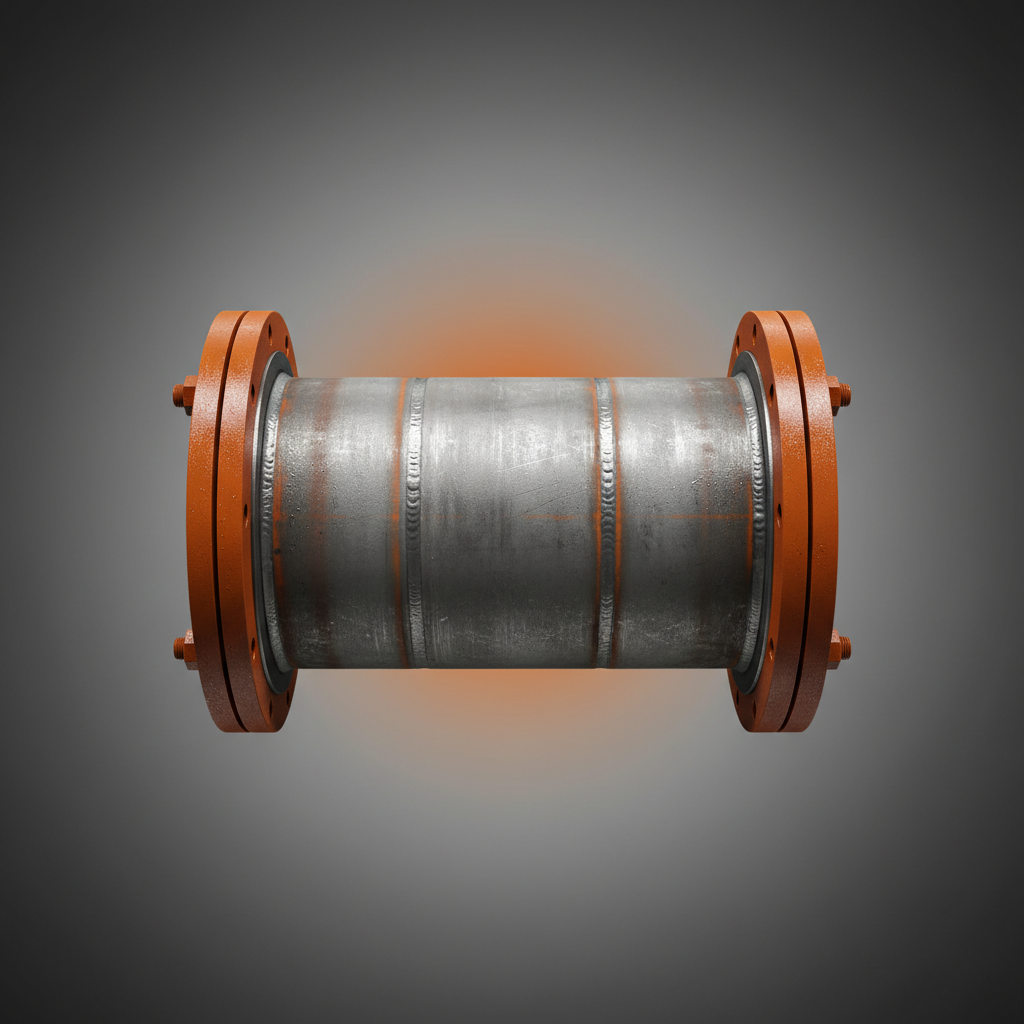
Oddly enough, this minor carbon tweak can make a huge difference when these tubes are used in environments demanding reliable, heavy-duty performance, such as in pharmaceutical manufacturing or petrochemical pipelines. These tubes serve as critical conduits — literally the veins pumping life into industrial systems.
Key Characteristics of 304 304L Stainless Steel Tubes
- Durability: Both 304 and 304L tubes resist corrosion from a wide range of chemicals and environmental conditions. They're hardy — you won’t see them suddenly degrade or rust, especially in humid or industrial atmospheres.
- Weldability: Thanks to the low carbon in 304L, these tubes are easier to weld without losing integrity. This is a game changer in manufacturing, where welded joints need to maintain long-term strength.
- Cost Efficiency: While slightly pricier than basic carbon steel, their lifespan and low maintenance costs often balance out or surpass initial expenses.
- Thermal Stability: They function well over a range of temperatures, making them viable not only in room temperature applications but also in cryogenic or high-heat environments.
- Sanitary Properties: Because they’re easy to clean and resist contamination, these tubes are essential in food and beverage or pharmaceutical industries.
Mini takeaway: The properties of 304 and 304L stainless steel tubes aren't just technical jargon—they directly affect quality, safety, and cost-effectiveness across sectors worldwide.
Product Specifications At a Glance
| Property | 304 Stainless Steel Tube | 304L Stainless Steel Tube |
|---|---|---|
| Carbon Content | ≤ 0.08% | ≤ 0.03% |
| Chromium | 18–20% | 18–20% |
| Nickel | 8–10.5% | 8–10.5% |
| Tensile Strength | 505 MPa | 485 MPa |
| Yield Strength | 215 MPa | 170 MPa |
| Corrosion Resistance | Good | Better (esp. weld zones) |
Global Applications & Use Cases
Where in the world aren't these tubes found? Seriously – they turn up across continents in various heavy industries. In Europe, petrochemical plants rely heavily on 304 304l stainless steel tube for fluid transfer systems given their resistance to aggressive chemicals. In North America, food and beverage manufacturers depend on these tubes to keep products sanitary and fresh during processing.
Oddly enough, in rapidly urbanizing Asian regions, hospitals and medical device manufacturers demand the sanitary precision of 304L stainless steel tubing for IV and sterilization equipment. Post-disaster relief operations are also emerging use cases — modular water purification units often use corrosion-resistant tubing to ensure safe drinking water under tough conditions.
Mini takeaway: The widespread adoption of these tubes across industries and geographies underscores their versatility and reliability.
Vendor Comparison: Key Players in 304 304L Stainless Steel Tubes
| Vendor | Material Quality | Customization Options | Global Delivery | Pricing |
|---|---|---|---|---|
| SteelCo International | High (ISO 9001) | Tube diameters & lengths | Worldwide | Mid-range |
| Global Metals Ltd. | Premium (ASTM certified) | Custom wall thicknesses, alloys | Asia, Europe, Americas | Higher-end |
| EcoSteel Solutions | Good (Sustainable sourcing) | Limited customization | Selective regions | Economical |
Advantages & Long-Term Value
It’s not just about material specs. When you choose 304 304l stainless steel tube, you get a combination of safety and trustworthiness. These tubes don’t fail unexpectedly. That means less downtime, better safety margins for workers, and lower risk of contamination in sensitive industries. Socially, they contribute to healthier environments, especially in water and food sectors. Cost-wise, given their longevity and maintenance ease, they often reduce total lifecycle expenses.
There's also an emotional side. The confidence that comes from using top-tier materials — like knowing your hospital’s oxygen supply tubes won’t irritate or jeopardize patient safety — is priceless. Innovation thrives because engineers can count on these trusted materials.
Future Trends & Innovations
The steel industry, oddly enough, is embracing sustainability thoroughly. New recycling technologies are improving stainless steel reuse rates, helping push the carbon footprint downward. There's also research into coatings and surface treatments that could further extend the lifespan of 304 and 304L tubes — think smarter, self-healing surfaces.
We’re seeing digital twins and IoT integration to monitor corrosion in real time, shifting preventive maintenance from calendar-based to condition-based. Add to this the growth of green energy plants requiring corrosion-resistant piping, and you get a picture where 304 304l stainless steel tube stays very relevant.
Challenges & Solutions
That said, the material has its challenges. For one, in highly chloride-rich environments (like marine applications), 304 alloys can be susceptible to pitting corrosion. This is where 316 stainless steel might be superior. Another challenge is price volatility tied to nickel availability—a key alloying element.
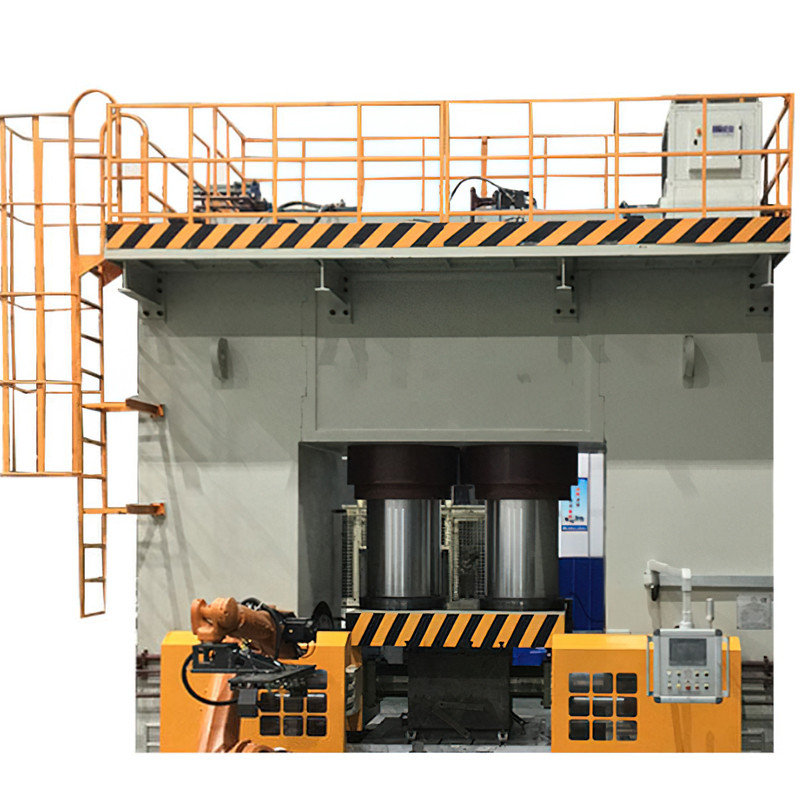
Solutions? Experts often suggest specialized passivation treatments to enhance corrosion resistance or blending alternative alloys when cost is a crucial factor. Additionally, adopting advanced fabrication techniques mitigates welding-related weaknesses.
FAQ: Frequently Asked Questions About 304 304L Stainless Steel Tube
-
Q: What makes 304L stainless steel tubes better for welding than 304?
A: 304L has a lower carbon content which drastically reduces carbide precipitation during welding. This keeps the metal from becoming susceptible to corrosion at the welds, making it better suited for fabrications that require extensive welding. -
Q: How long can 304 stainless steel tubes last in industrial environments?
A: When used appropriately and maintained, 304 stainless steel tubes can last 20 to 30 years or more. Durability depends on factors like the environment, exposure to corrosive agents, and maintenance schedules. -
Q: Are 304 and 304L tubes eco-friendly?
A: Stainless steel can be highly sustainable because it is 100% recyclable without loss of quality. Additionally, its durability reduces the need for replacements, conserving resources over time. -
Q: Can NGOs import these tubes for humanitarian projects internationally?
A: Yes, many suppliers facilitate export documentation and can tailor orders to specific project requirements, helping NGOs obtain materials quickly and efficiently.
Conclusion
Choosing 304 304l stainless steel tube means investing in resilience, safety, and sustainability. These tubes play silent but critical roles in supporting vital industries worldwide, promising reliability for decades ahead. Curious to dig deeper into specifications or place an order? Feel free to visit our website: https://www.world-steelmaterial.com for detailed insights and expert support.
In the end, there's something oddly reassuring about materials that are both everyday and extraordinary—a quiet confidence that they’ll hold up when it matters most.
References:
Post time: Dec . 03, 2025 13:10
 English
  Arabic
  Bengali
  China
China  French
  German
  Hausa
Hausa  Indonesian
  Italian
  Japanese
  Javanese
  Malay
Malay  Persian
  Portuguese
  Punjabi
  Russian
  Spanish
  Swahili
  Telugu
  Vietnamese