

Understanding Super Duplex Tubing: Strength and Versatility in Modern Industry
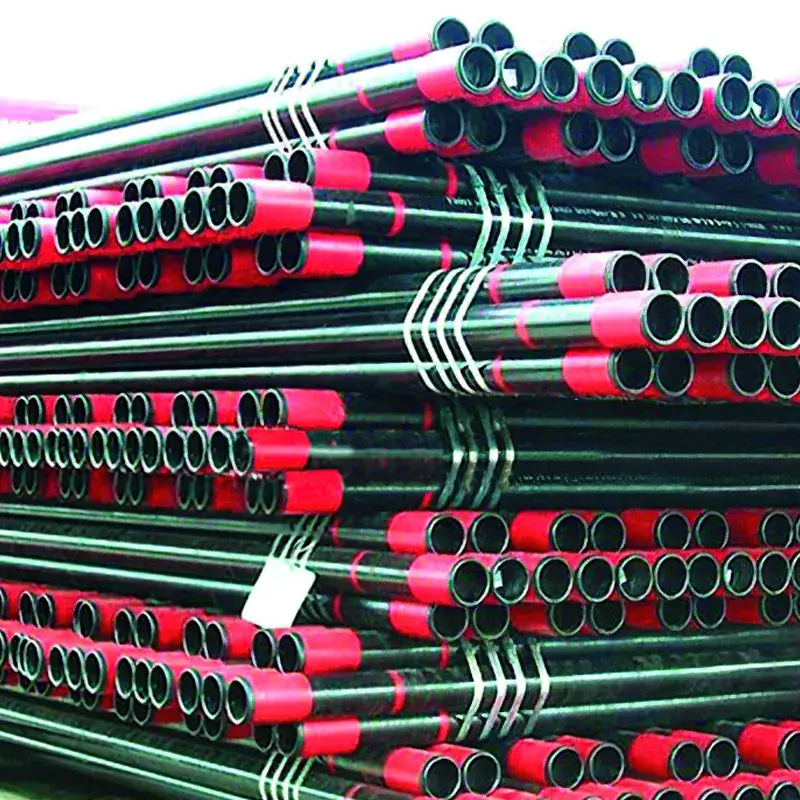
Super duplex tubing may sound niche, but it plays a surprisingly significant role worldwide. In simple terms, it's a type of high-performance stainless steel tubing with exceptional corrosion resistance and strength. Why does that matter? Well, industries from oil and gas to water treatment and offshore infrastructure rely heavily on materials that can withstand harsh environments without failing—which is exactly where super duplex tubing shines.
This tubing isn’t just another metal product; it’s a practical solution to global challenges like infrastructure durability and environmental safety. Understanding it means appreciating how materials innovation supports sustainability and economic resilience around the globe.
Global Context: Why Super Duplex Tubing Matters Today
Globally, infrastructure operates under increasing pressure: corrosive environments caused by seawater, chemicals, and temperature extremes strain materials to their limits. The World Steel Association notes that the demand for corrosion-resistant materials in construction and energy sectors is growing steadily, partly driven by rising offshore oil extraction and desalination projects.
One particular problem is maintaining pipeline integrity in harsh conditions—failures can lead to environmental disasters and huge financial costs. Super duplex tubing directly addresses this challenge. Its alloy composition offers a balance of austenitic and ferritic steel properties, which means improved durability and resistance to both chloride stress corrosion and pitting.
- According to ISO standards for duplex stainless steel, super duplex offers roughly twice the strength of conventional stainless steels.
- It's also more resistant to seawater corrosion, making it vital for marine engineering projects.
Oddly enough, although this material is relatively advanced, it's quietly doing critical work behind the scenes in infrastructure worldwide—and its relevance continues to rise with global industrialization.
What is Super Duplex Tubing?
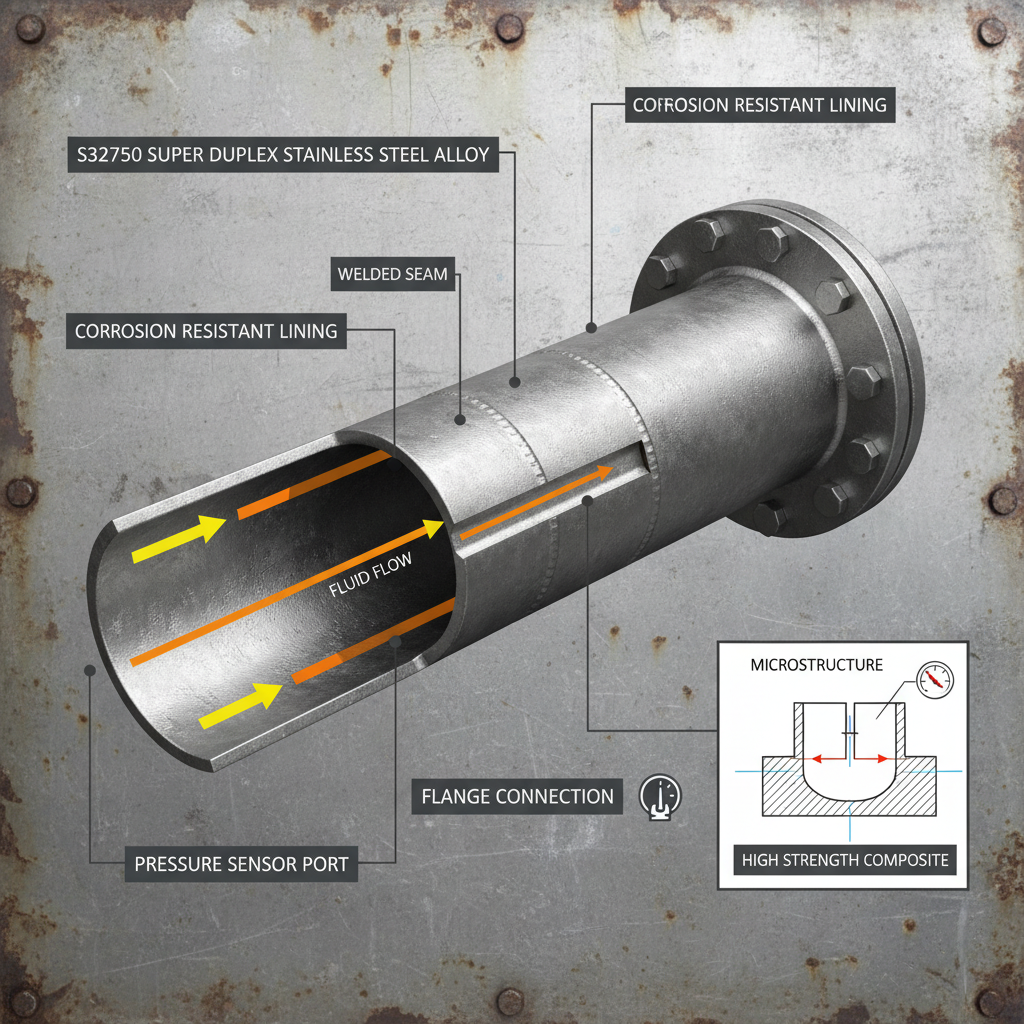
At its core, super duplex tubing is a stainless steel tubing alloy characterized by a roughly 50/50 mix of austenite and ferrite phases. This composition creates a material that couples toughness and strength with resistance to corrosion, especially in chloride-containing environments common in offshore and chemical plants.
Think of it as a high-tech upgrade over traditional stainless steels, designed for modern industry’s complex demands. Whether it’s transporting liquids underground or as part of structural supports in offshore platforms, super duplex tubing offers reliability where failure isn’t an option.
Key Characteristics of Super Duplex Tubing
1. Outstanding Corrosion Resistance
Thanks to its high chromium, molybdenum, and nitrogen content, super duplex tubing resists pitting and crevice corrosion even in aggressive chloride environments, common with seawater and brine.
2. Superior Strength
It boasts nearly twice the tensile strength of conventional stainless steels. This allows for thinner walls in tubing without compromising structural integrity, reducing material costs and weight.
3. Good Weldability and Fabrication
Many engineers note that super duplex tubing offers relatively easier welding compared to other high-strength alloys—though it requires precise control to prevent phase imbalance.
4. Thermal and Mechanical Stability
The alloy withstands a range of temperatures — roughly from -50 °C up to 250 °C — without losing key properties, making it versatile in various climates and processing environments.
5. Longevity and Sustainability
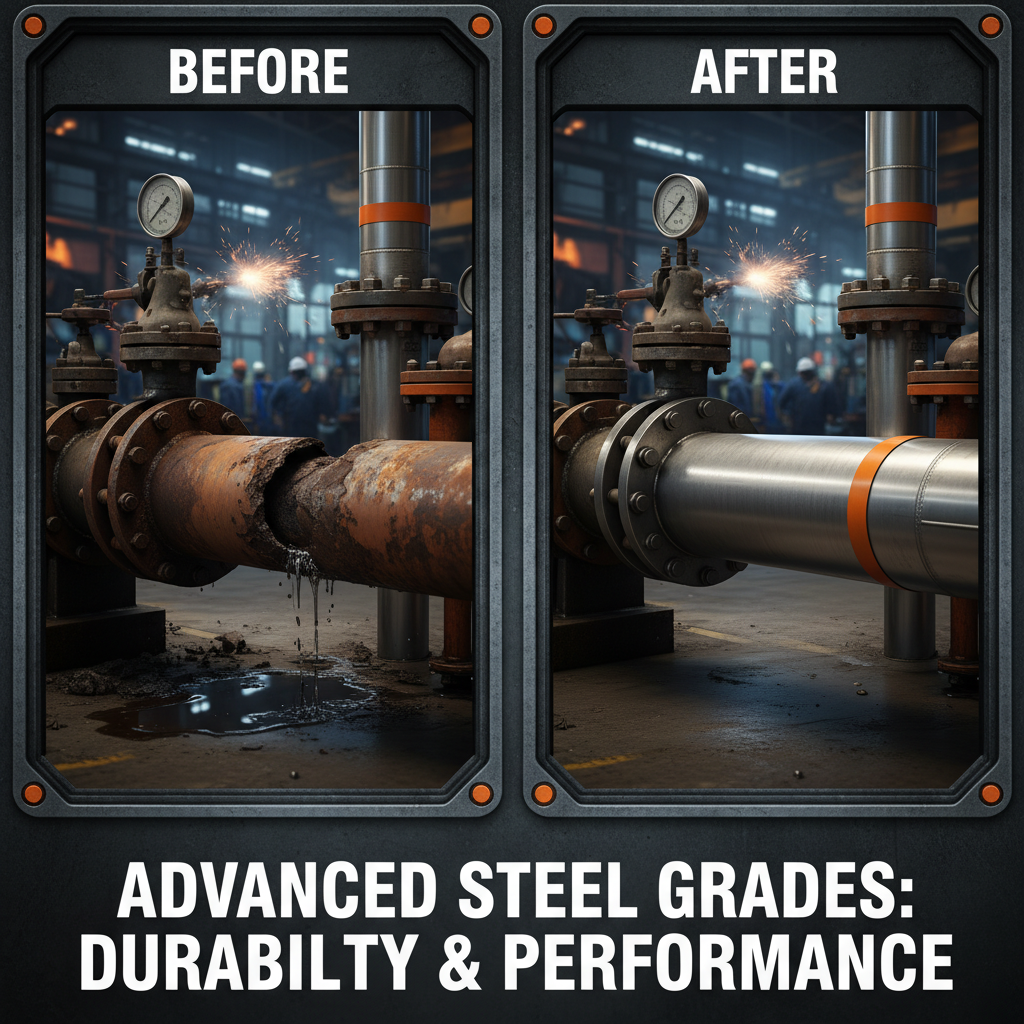
Due to its durability, pipelines and components made with super duplex tubing often require less maintenance or replacement, improving lifecycle sustainability and lowering the environmental footprint.
Super Duplex Tubing Product Specs
| Property | Typical Value | Unit |
|---|---|---|
| Tensile Strength | 860–1,000 | MPa |
| Yield Strength (0.2%) | 550–690 | MPa |
| Elongation at Break | 25 | % |
| Corrosion Resistance | Excellent in chloride media | - |
| Operating Temp Range | -50 to 250 | °C |
Mini takeaway: The specs reveal why super duplex tubing is such a popular choice in harsh environments — it combines strength, corrosion resistance, and reliability like few other materials can.
Global Applications of Super Duplex Tubing
Super duplex tubing finds its way into a variety of demanding situations:
- Oil and Gas Industry: Transporting hydrocarbons offshore means battling seawater corrosion and mechanical stress. Super duplex tubing is widely used in subsea pipelines and process plants.
- Desalination Plants: Long-term exposure to salty water means corrosion risks are high — super duplex tubing resists this, ensuring long equipment life.
- Chemical Processing: Aggressive chemicals require materials that won’t degrade — super duplex keeps plants safe and operational.
- Marine Infrastructure: Seawater cooling systems, shipbuilding, and offshore platforms all benefit from the alloy’s durability.
For example, a recent North Sea wind farm project involved replacing older pipeline sections with super duplex tubing to prevent corrosion-induced failures over decades.
Super duplex tubing also finds critical use in small-scale industries and NGOs focused on water purification technologies in remote or underserved regions.
Vendor Comparison: Common Types of Super Duplex Tubing
| Brand/Grade | Composition Highlights | Common Applications | Cost Efficiency |
|---|---|---|---|
| UNS S32750 | 25% Cr, 7% Ni, 3.5% Mo | Oil & Gas, Desalination | Moderate |
| UNS S32760 | 26% Cr, 7% Ni, 4% Mo | Chemical Processing, Marine | Higher |
| EN 1.4410 / A240 | Balanced phases with nitrogen additions | General industrial use | Cost-effective |
The Advantages and Long-Term Value of Choosing Super Duplex Tubing
When you invest in super duplex tubing, you’re not just buying a metal tube—you’re investing in safety and peace of mind. Its strong corrosion resistance means fewer breakdowns, which saves money and reduces environmental risks. From a sustainability perspective, materials that last longer and require less frequent replacement decrease waste and the costly carbon footprint of manufacturing new parts.
Furthermore, on an emotional level, engineers and project managers often breathe easier knowing the infrastructure can withstand demanding operational stresses. In industries with zero tolerance for failure, trust in material performance is priceless.
Emerging Trends and Innovations
As the energy sector shifts towards greener alternatives, super duplex tubing is evolving to fit new needs. For instance, the hydrogen economy demands materials that resist hydrogen embrittlement—a concern super duplex alloys are actively being tested against.
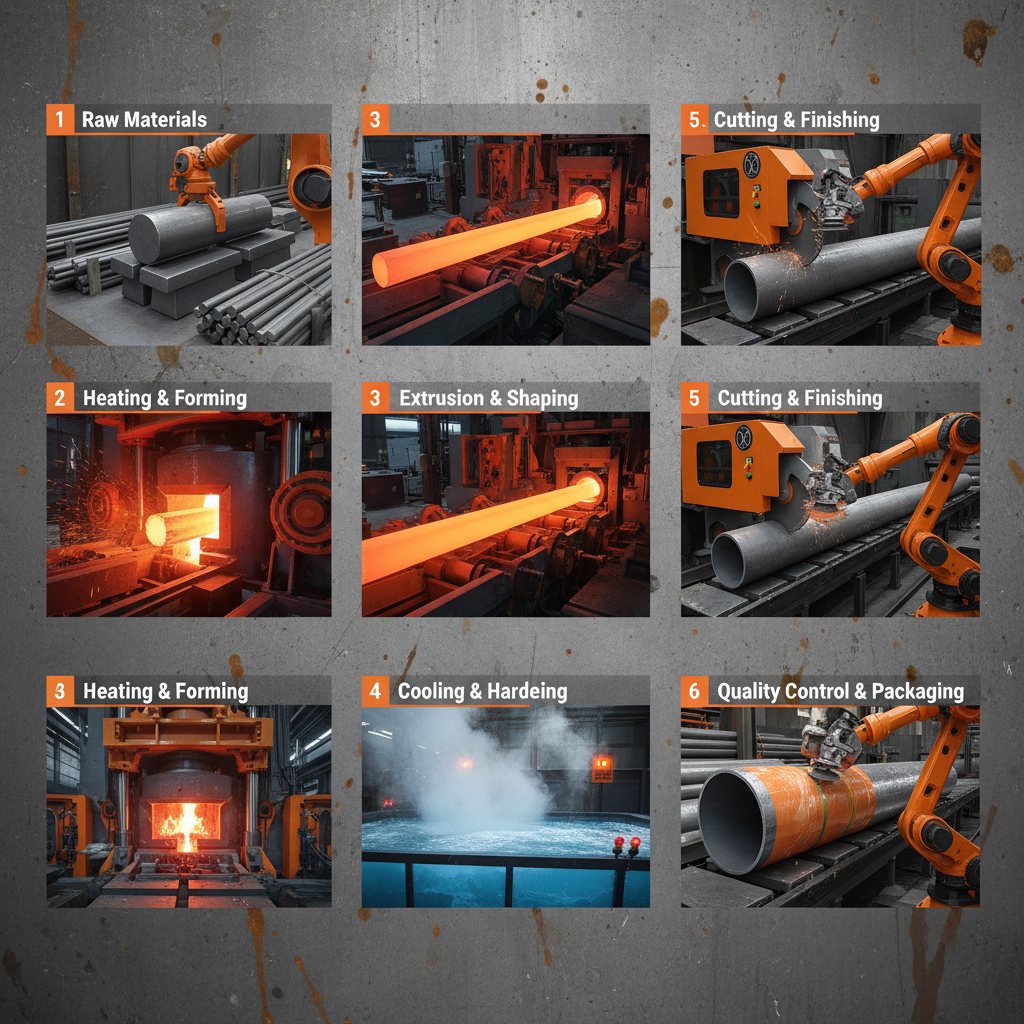
Automation in manufacturing allows greater precision in tubing production, improving quality consistency. Digital monitoring and IoT-based predictive maintenance are also reshaping how we track corrosion and fatigue in real time, allowing preventive interventions before costly repairs become necessary.
Challenges and Solutions
Super duplex tubing is not without its challenges. It requires careful heat treatment and welding protocols to avoid phase imbalances that compromise its resistance. Additionally, upfront costs are higher than conventional stainless steels.
However, expert metallurgists recommend precise control of fabrication parameters, alongside thorough quality testing, can effectively prevent weaknesses. And over time, the reduced maintenance costs and extended lifecycle act as economic offsets.
FAQ: Frequently Asked Questions About Super Duplex Tubing
- What makes super duplex tubing better than standard stainless steel tubing?
- Super duplex combines high strength with excellent resistance to chloride corrosion, making it durable in aggressive environments where standard stainless steel might corrode or fail sooner.
- Is super duplex tubing suitable for welding in field conditions?
- Yes, but it requires controlled pre- and post-weld heat treatments to maintain its microstructure and corrosion resistance. Field welding is feasible with experienced operators.
- How long can super duplex tubing last in offshore applications?
- In well-maintained systems, super duplex tubing can last 20+ years in offshore or marine environments, significantly reducing downtime and replacement costs.
- Are there environmental benefits to using super duplex tubing?
- Yes, thanks to its long life and corrosion resistance, it reduces material waste and energy consumption related to repairs or replacements, supporting sustainable construction practices.
Conclusion & Call to Action
Super duplex tubing stands as a robust, reliable, and increasingly vital material in modern industrial applications. Its unique balance of strength and corrosion resistance aligns perfectly with global needs for safer, longer-lasting infrastructure. For anyone working in sectors exposed to harsh environments, it’s an investment that pays off in reliability and peace of mind.
If you're considering upgrading your systems or learning more about this versatile material, visit https://www.world-steelmaterial.com for expert insights and product options tailored to your needs.
Mini takeaway: Super duplex tubing isn’t just metal—it’s an enabler of better, safer, and more sustainable industrial infrastructure across the world.
1. World Steel Association, "Stainless Steel Market Trends", worldsteel.org
2. ISO 15156 / NACE MR0175 Standards for corrosion-resistant alloys, iso.org
3. "Duplex Stainless Steel", Wikipedia, en.wikipedia.org
Post time: Dec . 03, 2025 10:30
 English
  Arabic
  Bengali
  China
China  French
  German
  Hausa
Hausa  Indonesian
  Italian
  Japanese
  Javanese
  Malay
Malay  Persian
  Portuguese
  Punjabi
  Russian
  Spanish
  Swahili
  Telugu
  Vietnamese