

Exploring the A928 S32750: A Robust Duplex Stainless Steel for Industrial Use
Having spent a fair share of my career knee-deep in metal mills and fabrication shops, I can say the a928 s32750 always catches the eye of engineers who want a dependable duplex stainless steel — especially when balancing corrosion resistance and mechanical strength. Oddly enough, despite all the shiny new alloys popping up, this grade holds its ground solidly across industrial sectors.
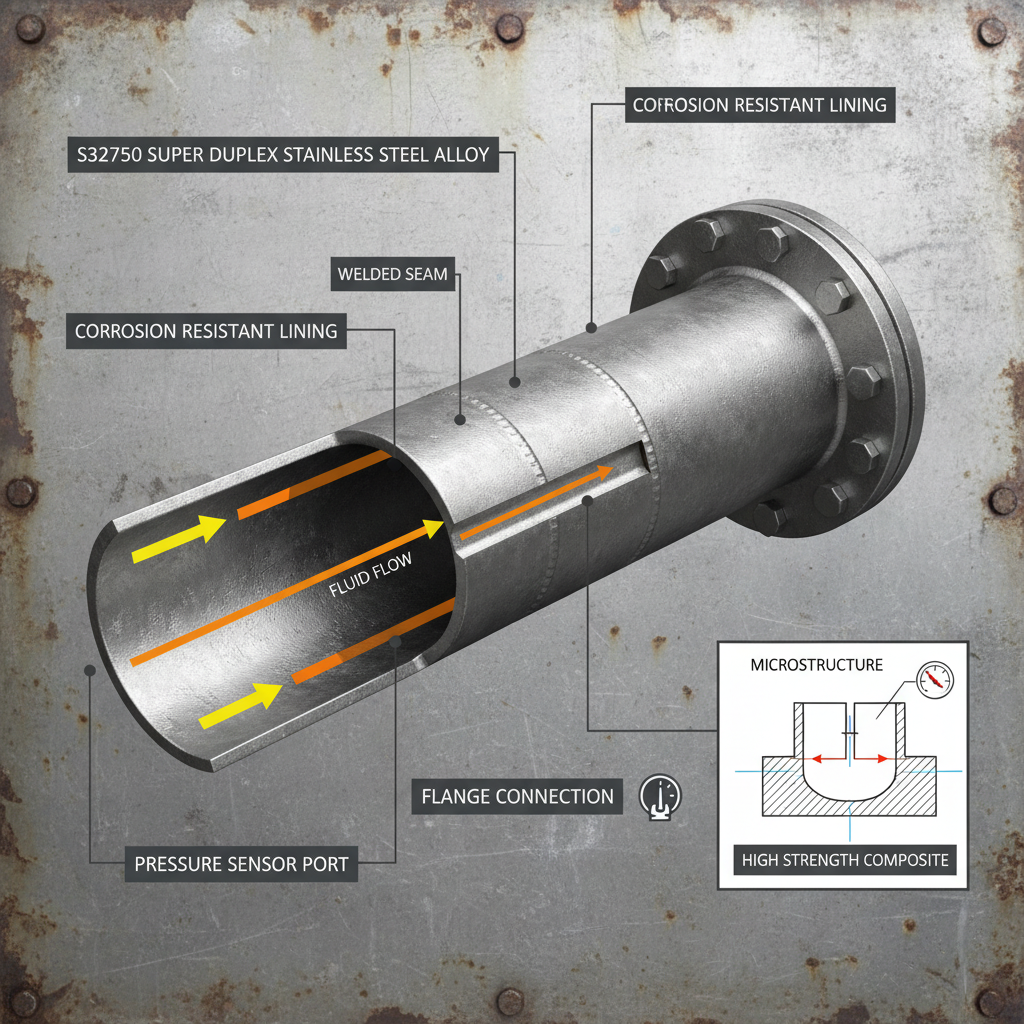
So, what’s the story with A928 S32750? It’s a duplex stainless steel, meaning it has a mixed microstructure of austenite and ferrite phases — roughly equal parts. This mix is what gives it that appealing combo of high strength and exceptional corrosion resistance. Many folks I work with highlight its performance in highly chloride-laden environments or where stress corrosion cracking could be a nasty problem. Yeah, it feels like it’s tailor-made for tough conditions.
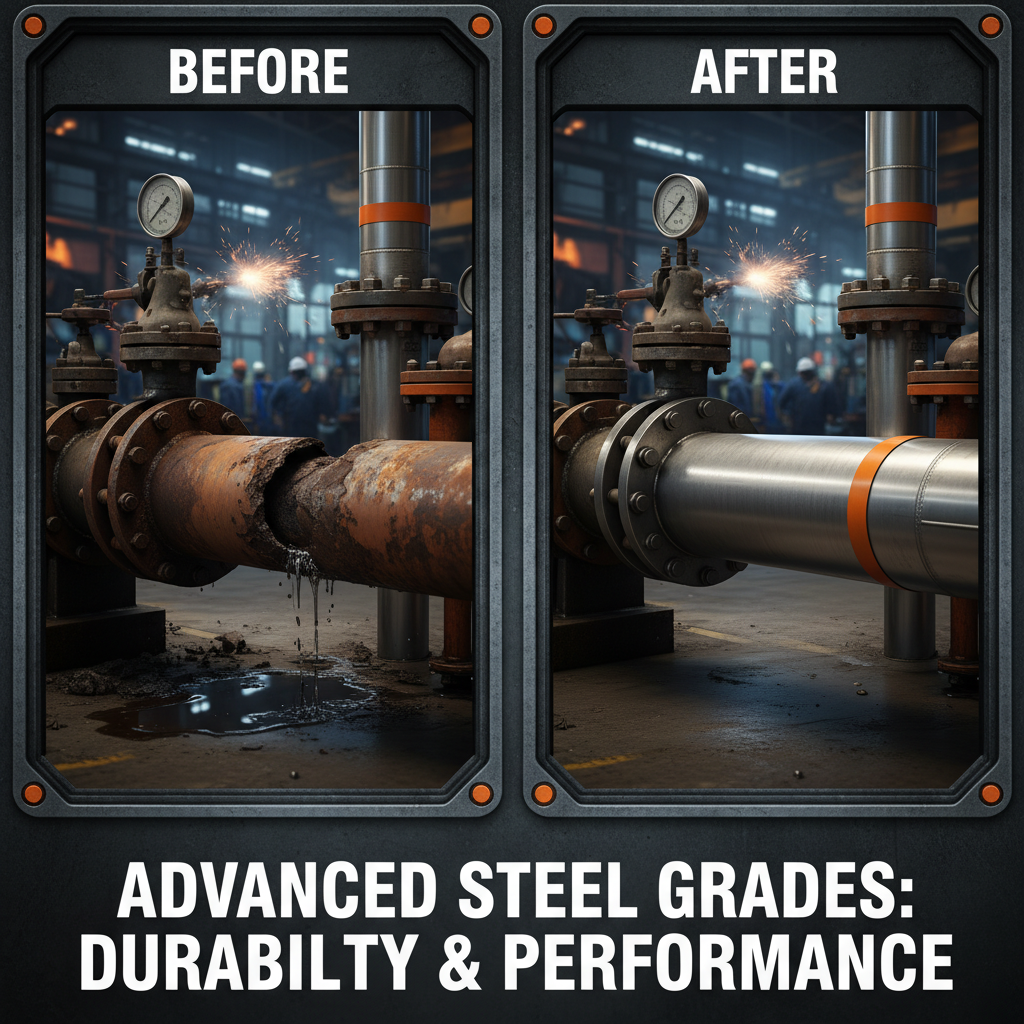
I remember one project a couple of years back where a customer was struggling with equipment failures in seawater conditions. Switching to S32750 drastically improved lifespan — sometimes 2-3x what they’d seen with standard 316 stainless. You know, that kind of tangible, real-world value is why people keep going back to these duplex variants.
| Property | Typical Value | Unit |
|---|---|---|
| Chemical Composition (Cr) | 24-26 | % |
| Chemical Composition (Ni) | 6-8 | % |
| Yeld Strength | 450-550 | MPa |
| Tensile Strength | 800-900 | MPa |
| Corrosion Resistance | Excellent against chlorides | - |
| Density | 7.8 | g/cm³ |
| Typical Applications | Chemical processing, desalination plants, offshore platforms | - |
In real terms, what do you get? Superior strength to most austenitic stainless steels (like 304 or 316), with corrosion resistance close to or even surpassing more expensive alloys. It’s why a lot of plants, especially those in aggressive environments—coastal, chemical, or marine—turn to S32750. Its robustness sometimes inspires engineers to specify it even for parts that aren’t exactly in direct contact with harsh elements, simply for peace of mind.
If you’re curious about who your go-to suppliers might be for such specialized steel, I’ve done a quick rundown comparing a few to watch out for:
| Supplier | Availability | Typical Lead Time | Custom Fabrication | Pricing Tier |
|---|---|---|---|---|
| World Steel Material | Global stock & supply | 2-3 weeks | Yes | Mid-range |
| Ametek Steel | Selective stock | 3-5 weeks | Limited | High |
| Global Metals Inc | Good regional presence | 2-4 weeks | Yes | Moderate |
One thing you might notice is that availability and lead times vary. It’s frankly a reminder that while the alloy itself is standardized, procurement can reflect regional sourcing differences or customization options. And, to be honest, I’ve seen cases where these lead times shifted a bit depending on order size or global supply chain pressures — so always good to confirm upfront.
What about testing and quality control? Since duplex stainless steels like S32750 are often destined for mission-critical uses—think offshore rigs or chemical reactors — proper certification and testing standards compliance is non-negotiable. It’s common to see certifications including ASTM A928 compliance, along with detailed mechanical testing extending to pitting resistance tests (PRE - pitting resistance equivalent numbers) that confirm performance in corrosive scenarios.
Last but not least — and this is a little nugget I picked up on from chatting with inspectors on-site — welding requires a bit of savvy when working with S32750. The heat input must be carefully controlled to preserve that duplex structure. If you get it wrong, you risk reducing corrosion resistance or mechanical performance. It’s not hard, but it needs respect. So whether you lean on experienced welders or vendor support, factoring in good procedures upfront pays dividends.
In summary: if your project demands a corrosion-resistant, super-strong stainless steel that handles high-stress, chloride-heavy environments without breaking a sweat, a928 s32750 is worth a good look. It’s one of those materials where experience in the industrial field truly shows — both in specifying it right and in trusting its proven record.
Hopefully, this dive into S32750 feels like a practical snapshot rather than just specs on paper. Because frankly, that’s where the value hides — in marrying solid science with real-world, hands-on know-how.
— John M., Industrial Metallurgy Specialist
References:
- ASTM A928/A928M Standard Specification for Duplex Stainless Steel Plate, Sheet, and Strip
- Pitting Resistance Equivalent Number (PREN) analysis - since duplex grades outperform austenitics in chloride-rich environments
- Case studies on offshore platform corrosion resistance from metallurgical journals and supply chain reports
Post time: Jan . 07, 2026 04:35
 English
  Arabic
  Bengali
  China
China  French
  German
  Hausa
Hausa  Indonesian
  Italian
  Japanese
  Javanese
  Malay
Malay  Persian
  Portuguese
  Punjabi
  Russian
  Spanish
  Swahili
  Telugu
  Vietnamese