

Exploring 15Mo3 pipe: What Makes This Steel Alloy a Go-To in Industry?
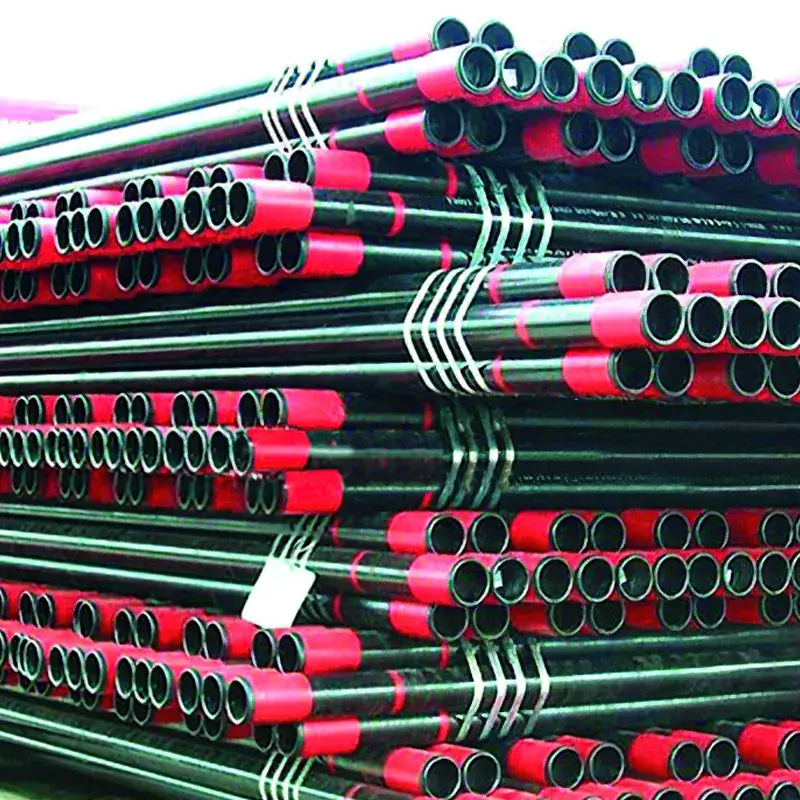
Having spent a good chunk of my career around heavy equipment, I’ve gotten to know all sorts of materials—from stainless steel to those exotic superalloys. But oddly enough, 15Mo3 pipe stands out as that dependable workhorse that keeps showing up in power plants, chemical plants, and other heavy industries. Frankly, it feels like the quiet hero behind many steam systems, known more by engineers than the general public.
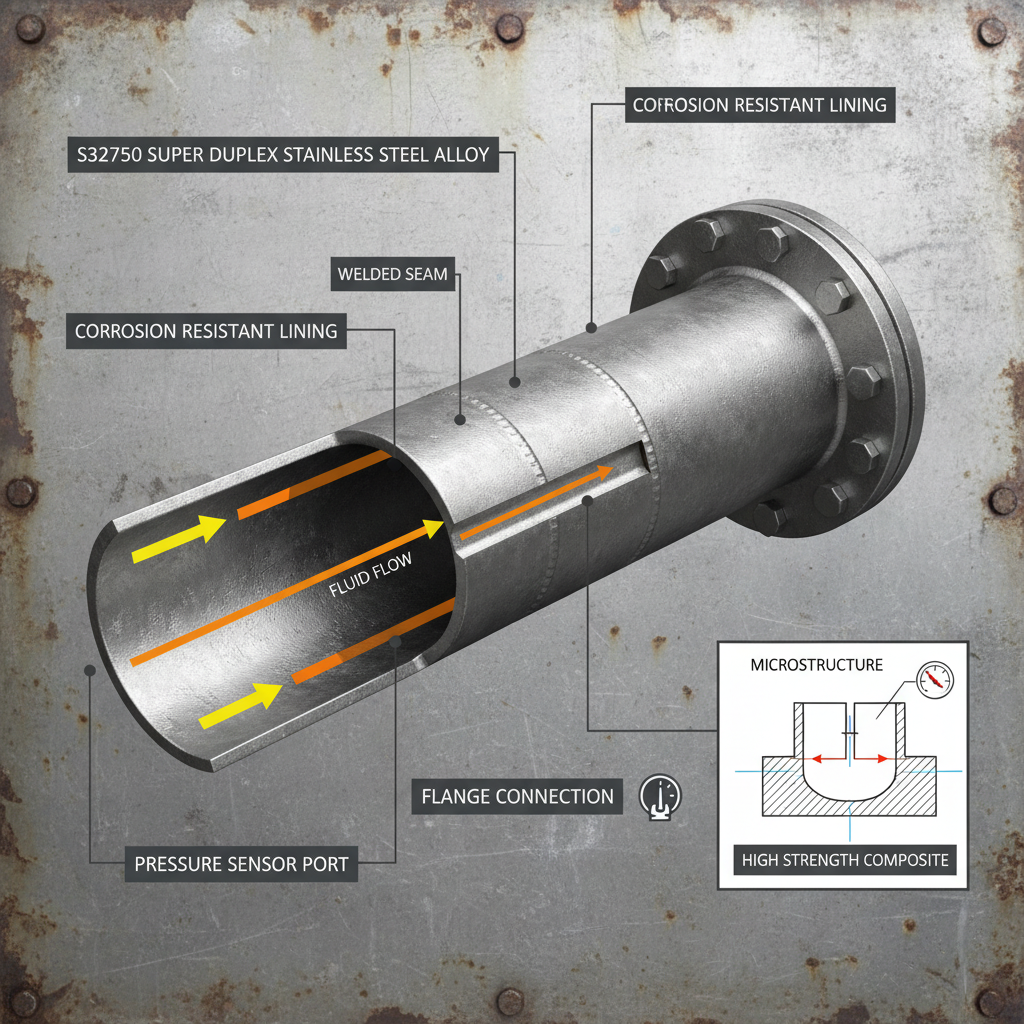
You probably heard of 15Mo3 somewhere in your professional life or may have encountered it while sourcing pipes that need to stand up to high pressure and temperature. The “15” indicates a carbon content around 0.15%, while “Mo3” emphasizes its molybdenum alloying, which subtly boosts its high-temperature strength without making it too brittle.
In real terms, 15Mo3 is a low alloy steel pipe grade specially designed for applications that demand tempering against creep, oxidation, and thermal stress. It’s ASTM A213 Grade T11 equivalent and complies with EN 10216-2, making it a go-to choice in European power and petrochemical plants. Many engineers I’ve known swear by its blend of ductility and strength—but it’s critical you buy from a reliable source, since variations in carbon and moly content can seriously affect performance.
Key Specifications of 15Mo3 Pipe
| Specification | Typical Value / Range |
|---|---|
| Carbon (C) | 0.12% – 0.18% |
| Molybdenum (Mo) | 0.44% – 0.65% |
| Tensile Strength | 485–630 MPa |
| Yield Strength | 275 MPa (min) |
| Elongation (%) | 20% (min) |
| Operating Temp | Up to 565 °C |
| Standards | EN 10216-2, ASTM A213 |
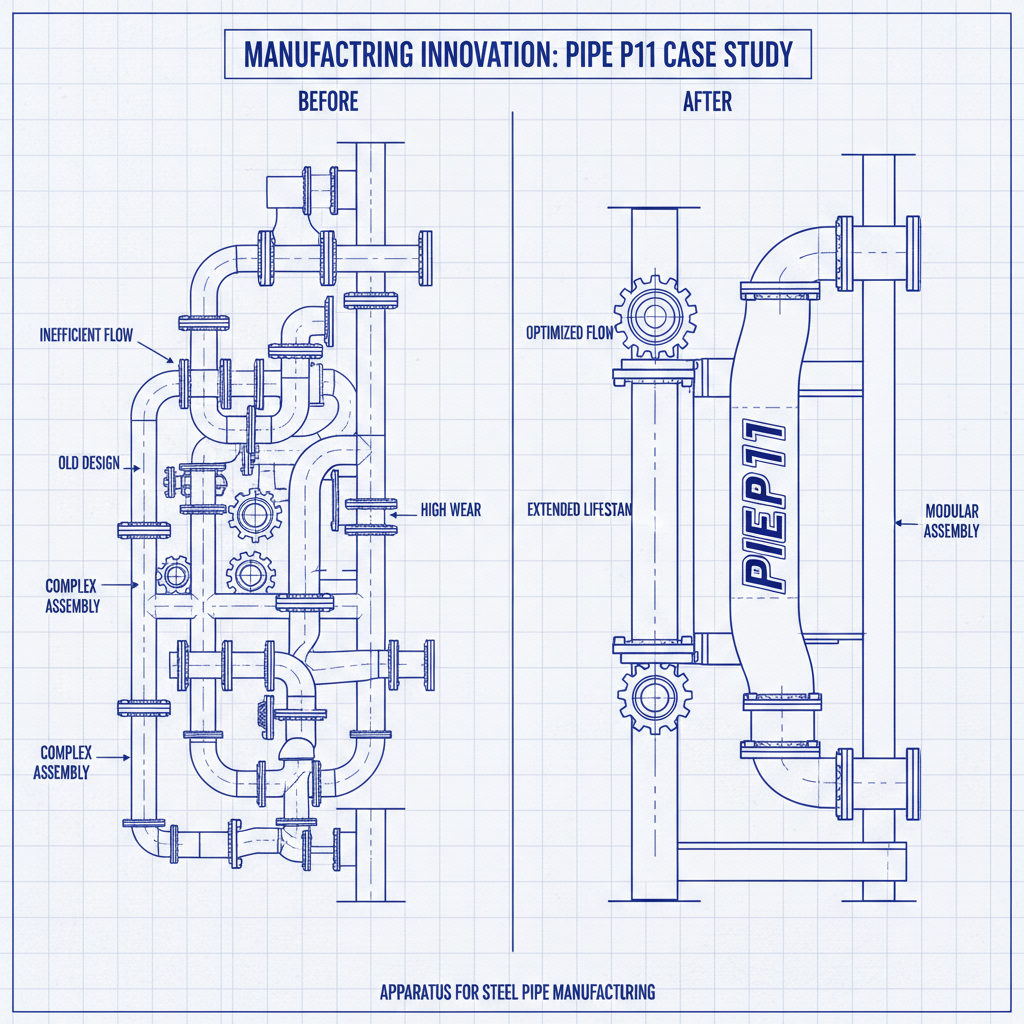
So, why do many in the industry lean on 15Mo3 pipes over something like 16Mo3 or P11? Well, it boils down to balance — it is tough enough to hold up at elevated temperatures but doesn’t cost as much as higher alloy grades. Plus, it machines well and handles welding without demanding exotic preheat regimes.
Comparing Vendors of 15Mo3 Pipe
| Vendor | Origin | Typical Delivery Time | Quality Certifications | Price Level |
|---|---|---|---|---|
| World Steel Material | Europe | 2-4 weeks | ISO 9001, PED | Competitive |
| SteelCo Ltd. | Asia | 4-6 weeks | ISO 9001 | Budget |
| EuroPipe | Europe | 3-5 weeks | ISO 9001, API 5L | Premium |
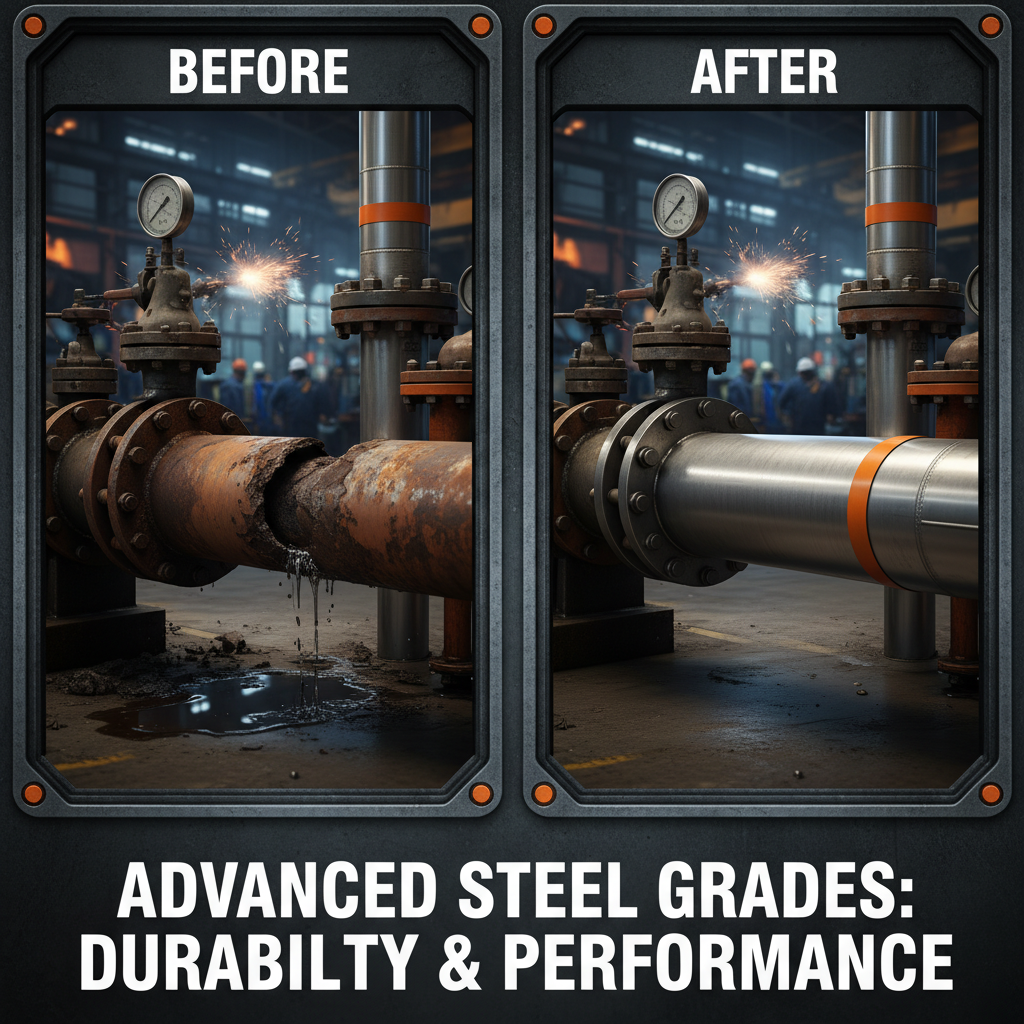
From my experience, sourcing 15Mo3 pipes isn’t just about picking the cheapest option or the fastest delivery. It’s about balancing quality and standards compliance for long-term reliability. I once worked on a project where a supplier failed to meet the proper molybdenum content, causing premature corrosion. That’s one of those headaches you can totally avoid by sticking to trusted vendors like World Steel Material, who make sure every batch is tested to stringent European norms.
There’s also room for customization — different wall thicknesses, lengths, and heat treatments — depending on your specific application. I'm reminded of a customer who needed a pipe that could handle cycling temperatures in a waste-to-energy plant; we tailored the heat treatment accordingly, and their system’s uptime improved noticeably. It’s little details like that which separate suppliers who just ship products from those who really partner with you.
All told, if you’re working on pressure-bearing steam or hot fluid lines, 15Mo3 pipe merits a serious look. It blends strength, thermal resistance, and weldability in a package that’s both tested and proven over decades.
Just a quick takeaway: never underestimate the small alloying tweaks. It’s those “Mo” atoms sneaking into the crystal lattice that keep pipes from turning into brittle liabilities over time.
References:
1. EN 10216-2 Standard Documentation
2. ASTM A213 Specification Sheet
3. Personal Experience and Industry Feedback (2010-2024)
Post time: Dec . 09, 2025 10:15
 English
  Arabic
  Bengali
  China
China  French
  German
  Hausa
Hausa  Indonesian
  Italian
  Japanese
  Javanese
  Malay
Malay  Persian
  Portuguese
  Punjabi
  Russian
  Spanish
  Swahili
  Telugu
  Vietnamese