

Understanding the Duplex 2205 Tube: A Veteran’s Perspective
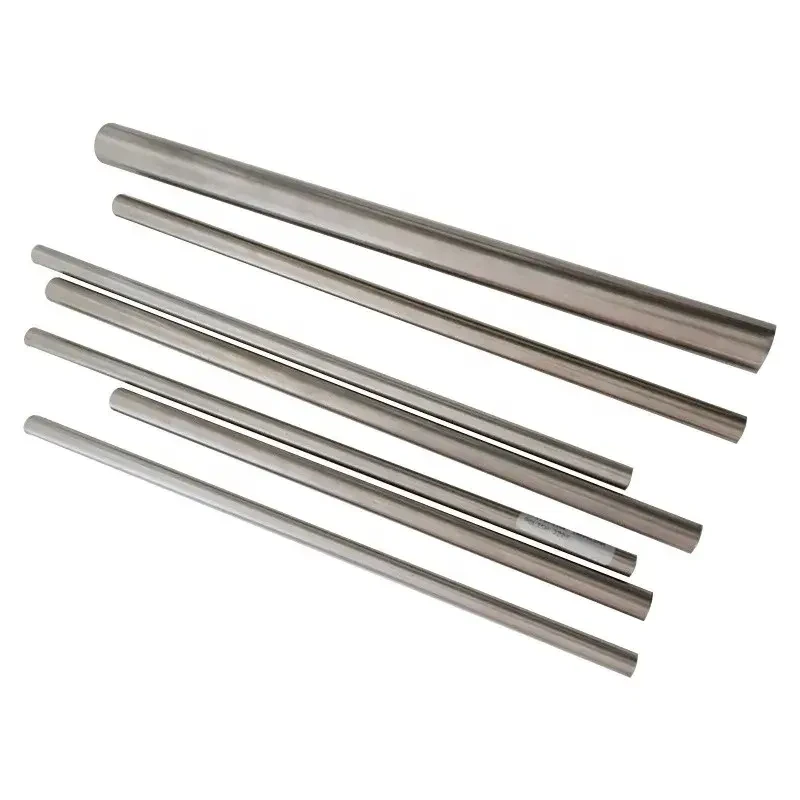
Having spent well over a decade engineering and specifying materials for industrial applications, I’ve come to appreciate just how critical the choice of stainless steel tubing can be. Duplex 2205 tube has quietly become one of those go-to materials that, frankly, just works—combining strength, corrosion resistance, and cost-effectiveness in a way that few others can match.
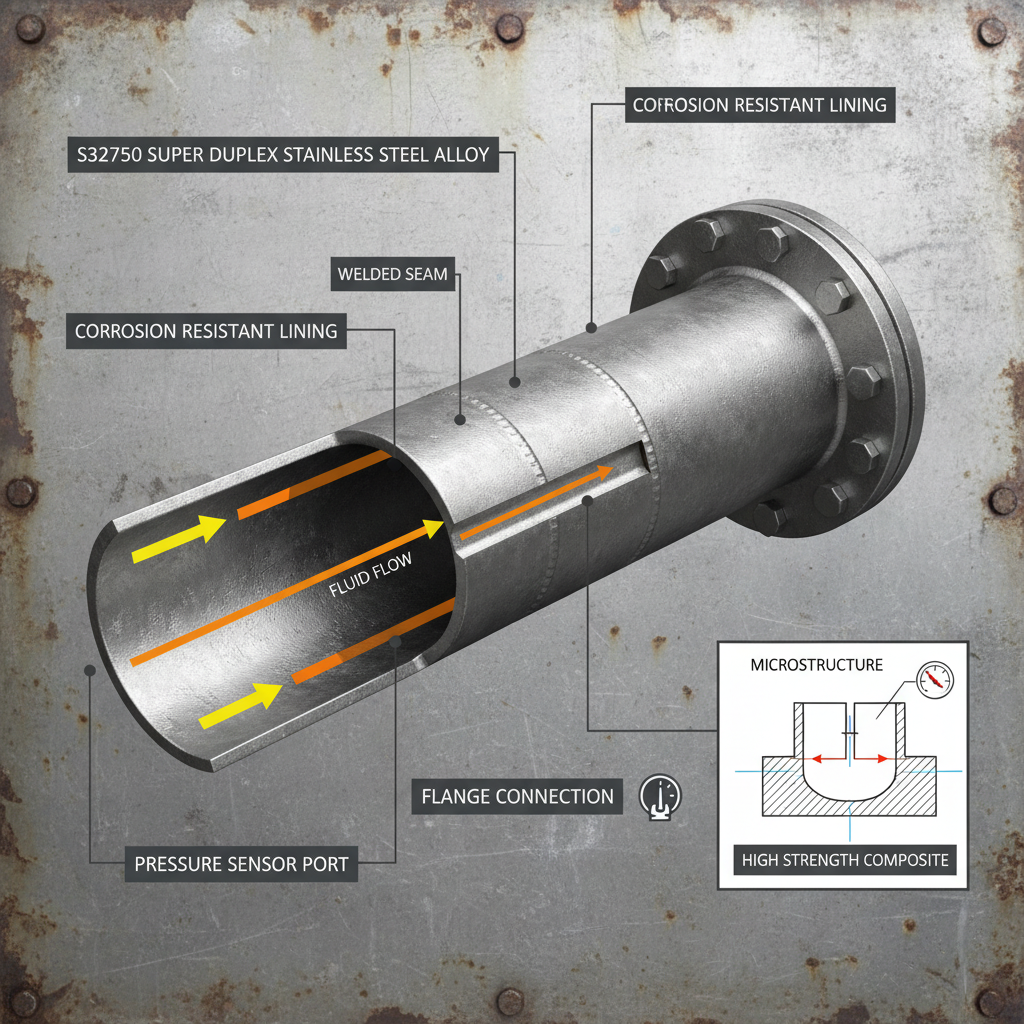
Why duplex 2205? Well, this alloy sits comfortably between standard austenitic stainless steels (like 304 and 316) and the more exotic super duplex grades. Its microstructure is about 50/50 austenite and ferrite, which gives it unique properties that shine in demanding industrial environments. I noticed in many projects, especially in chemical processing and offshore oil rigs, 2205 tubes hold up remarkably well against chloride-induced stress corrosion cracking—something that can quickly put other steels out of commission.
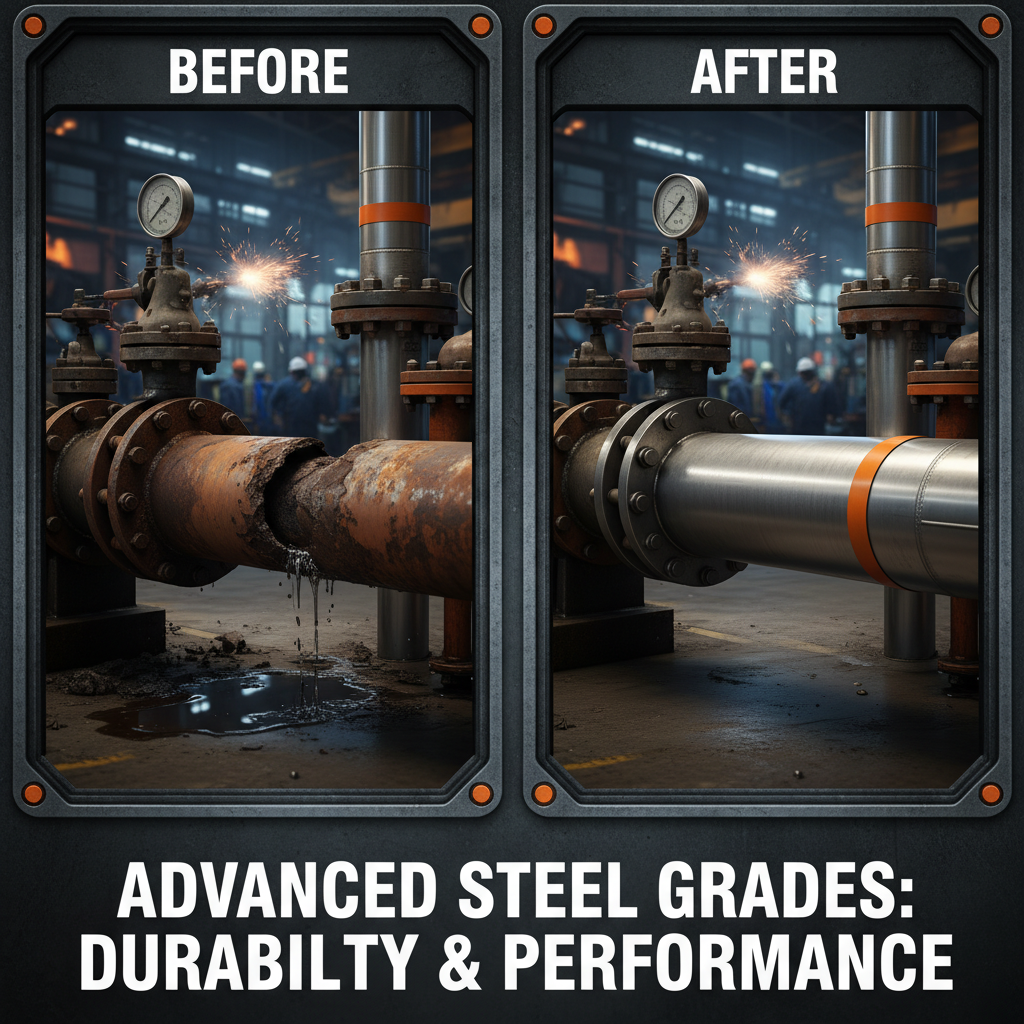
In real terms, this means less downtime and fewer emergency repairs, which any engineer or plant manager will tell you is priceless. Oddly enough, despite these solid mechanical benefits, some younger engineers overlook it in favor of new “flashier” materials. From my experience, that’s a bit short-sighted. Its weldability and excellent toughness at subzero temperatures make it versatile across temperature ranges and fabrication processes—you can weld it without a fuss, which not all duplex grades can boast.
Here’s a quick glimpse at some key specs to keep in mind:
| Property | Value / Range |
|---|---|
| Chemical Composition (wt%) | Cr 22%, Ni 5-6%, Mo 3%, N 0.14-0.20% |
| Yield Strength | > 450 MPa |
| Tensile Strength | ~ 620 MPa |
| Corrosion Resistance | Excellent in chloride environments |
| Temperature Range | -50°C to 280°C (typical) |
| Typical Applications | Chemical, Petrochemical, Marine, Pulp & Paper |
Now, if you’re wondering about sourcing, that’s where things get a little nuanced. The market offers many vendors claiming to deliver certified 2205 duplex tubing, but the differences lie in traceability, quality testing, and customer support. I recall a particular project where our supplier’s detailed mill-test reports and willingness to do hydrostatic testing made all the difference. It was reassuring to know the tubes would conform exactly to specs under tough operating conditions.
To help you compare, here’s a rough vendor comparison I’ve put together from experience and industry chatter:
| Vendor | Quality Certifications | Testing Offered | Lead Time | Customer Support |
|---|---|---|---|---|
| World Steel Material | ISO 9001, PED | Hydrostatic, PMI, UT | 2-4 weeks | Responsive, technical advice |
| Vendor B | ISO 9001 | Mill Test Certificate only | 3-6 weeks | Limited consultation |
| Vendor C | No third-party certification | None | 1-2 weeks | Sales only |
One gentleman I worked with in the pulp industry once shared that switching to 2205 duplex tubing saved his plant thousands in maintenance every year. That was a strike against the usual stainless types that corroded too quickly around the bleach stages. It’s stories like that which make me a little biased, I suppose. This alloy really can perform when the chips are down.
Before wrapping up, a quick word about customization: many manufacturers offer tailored tube dimensions, surface finishes, and heat treatments to optimize for specific use cases. I always advocate for spending that extra effort early on. It’s a small investment compared to what unexpected failures or retrofit costs might bring later.
So if you’re in the market and that 2205 tubing keeps floating into your specifications, it’s for good reason—and honestly, it’s a steel I trust. For anything corrosive, structurally demanding, or simply long-term reliable, it’s a material that punches above its weight.
Feel free to check out World Steel Material’s duplex 2205 tube selection—they’ve been consistent from my dealings, and beyond specs, their team answers the kind of questions that only years on the job can teach you to ask.
In industry, trust and quality materials make all the difference. As always, verify certifications and test results, but don't underestimate the pedigree of proven duplex 2205 tubing.
References:
- “Duplex Stainless Steels, Structure, Properties and Applications,” Theles A. S. Agba, 2017.
- ASTM A790/A790M - Standard Specification for Seamless and Welded Ferritic/Austenitic Stainless Steel Pipe.
- Industry case studies from the Chemical and Offshore sectors, personal notes 2010-2023.
Post time: Dec . 03, 2025 19:44
 English
  Arabic
  Bengali
  China
China  French
  German
  Hausa
Hausa  Indonesian
  Italian
  Japanese
  Javanese
  Malay
Malay  Persian
  Portuguese
  Punjabi
  Russian
  Spanish
  Swahili
  Telugu
  Vietnamese