

Understanding a 106 pipe: Global Importance and Industrial Benefits
When we talk about infrastructure — pipelines, buildings, energy networks — steel pipes like the a 106 pipe quietly play a pivotal role. This isn’t just another piece of metal tubing; it’s a cornerstone of industries worldwide, from oil and gas to water supply and construction. Understanding what an a 106 pipe really is, and why it’s so widely used, opens a window on how our modern world manages resources efficiently and safely. Plus, knowing its qualities helps engineers, procurement teams, and even humanitarian organizations make smarter choices.
Global Context: Why the a 106 pipe Matters
The global demand for energy and clean water is skyrocketing — the UN reports that nearly 30% of the world’s population will face water scarcity by 2025 (1). Transporting these resources safely and efficiently is paramount. Here, the a 106 pipe, standardized by ASTM, ensures consistent quality and reliability. Its widespread use in oil and gas transmission alone underscores its critical importance; roughly 70% of global oil is transported via pipeline systems relying heavily on pipes like these (2). However, challenges around durability, corrosion, and environmental impact persist, and these pipes are actively part of the solution.
Mini takeaway: The a 106 pipe is foundational in meeting global resource demands with safety and efficiency.
Defining an a 106 pipe
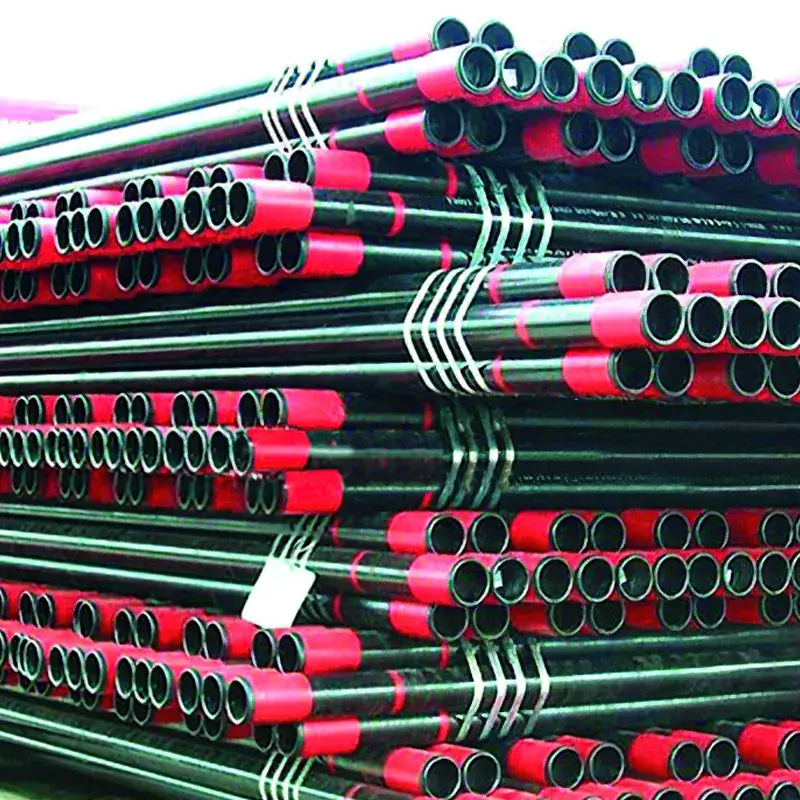
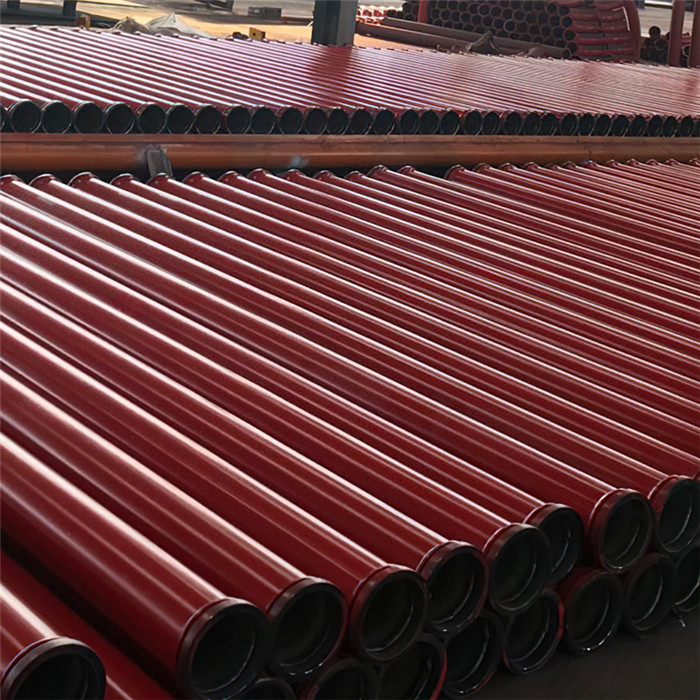
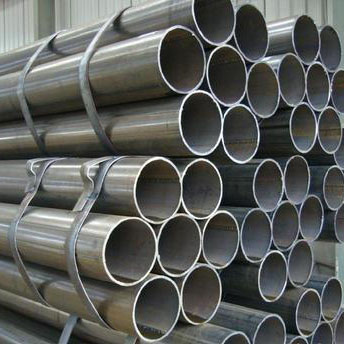
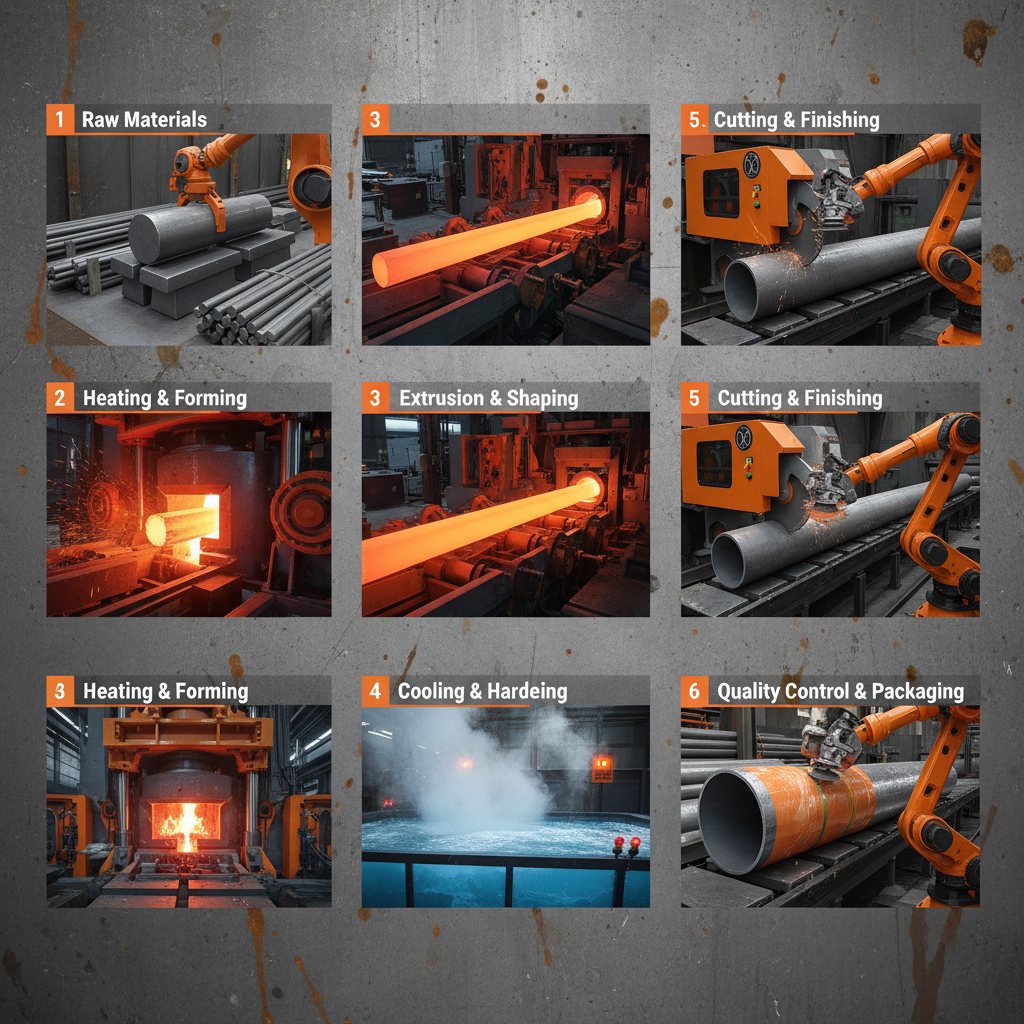
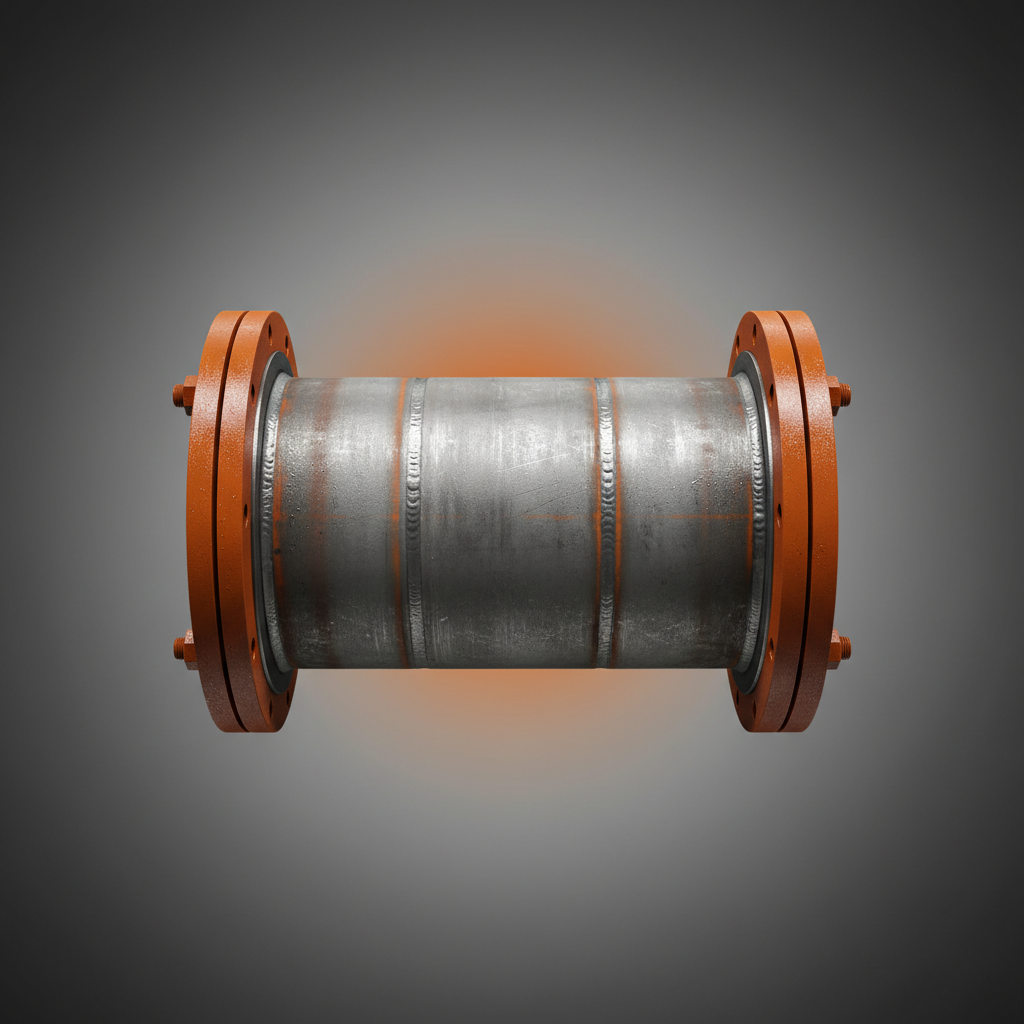
Put simply, an a 106 pipe is a seamless carbon steel pipe standardized under the ASTM A106 specification. It’s designed for high-temperature service and is usually rated for use in systems carrying gases and liquids at elevated pressures and temperatures. Originating from the American Society for Testing and Materials (ASTM), the standard ensures not just strength but also uniformity in chemical composition and mechanical properties.
It connects directly to industries that demand safe, durable conduit — think oil pipelines, power plants, and even chemical manufacturing. Even humanitarian efforts, like setting up water lines in disaster zones, depend on the resilience and corrosion resistance of these pipes.
Key Features of the a 106 pipe
1. Durability and Strength
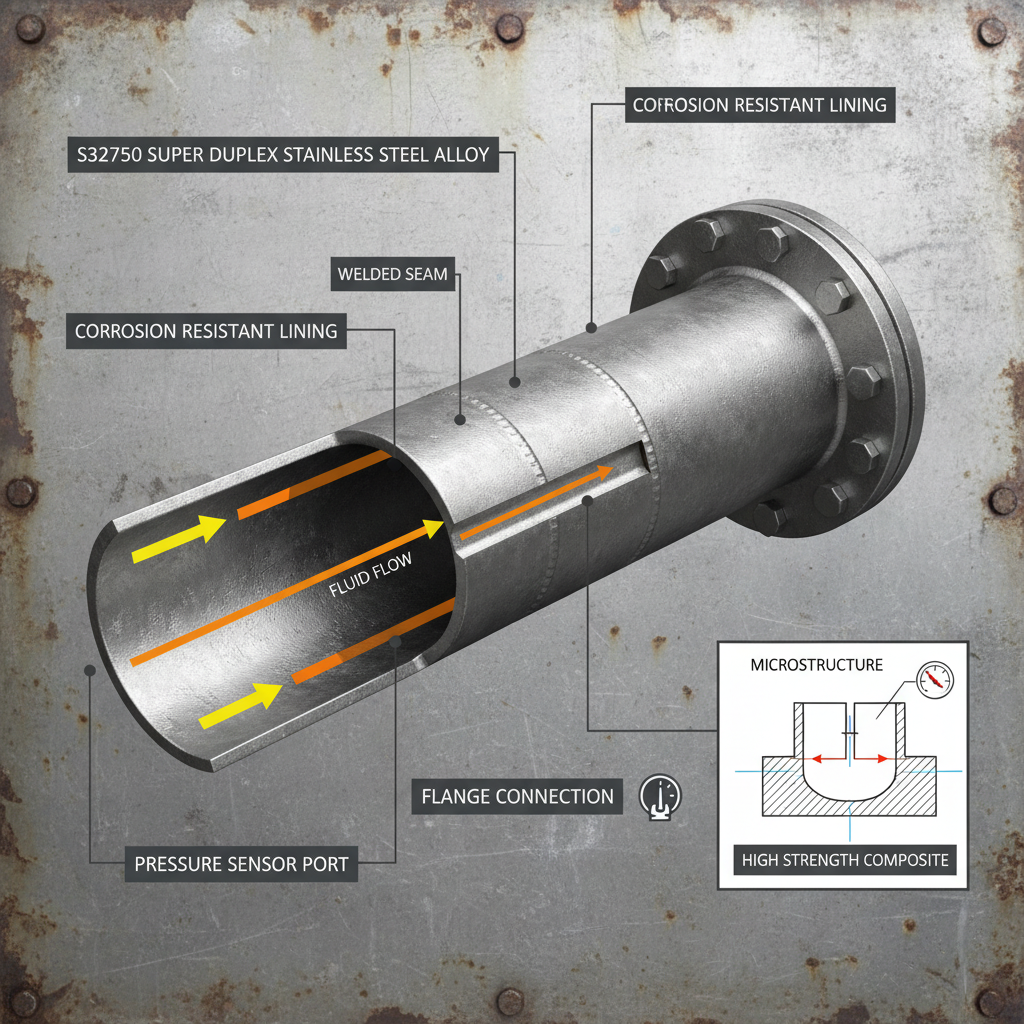
The a 106 pipe is forged to withstand high pressure and temperature environments, minimizing failures over long-term use. This strength comes from its seamless design and careful alloy composition.
2. Corrosion Resistance
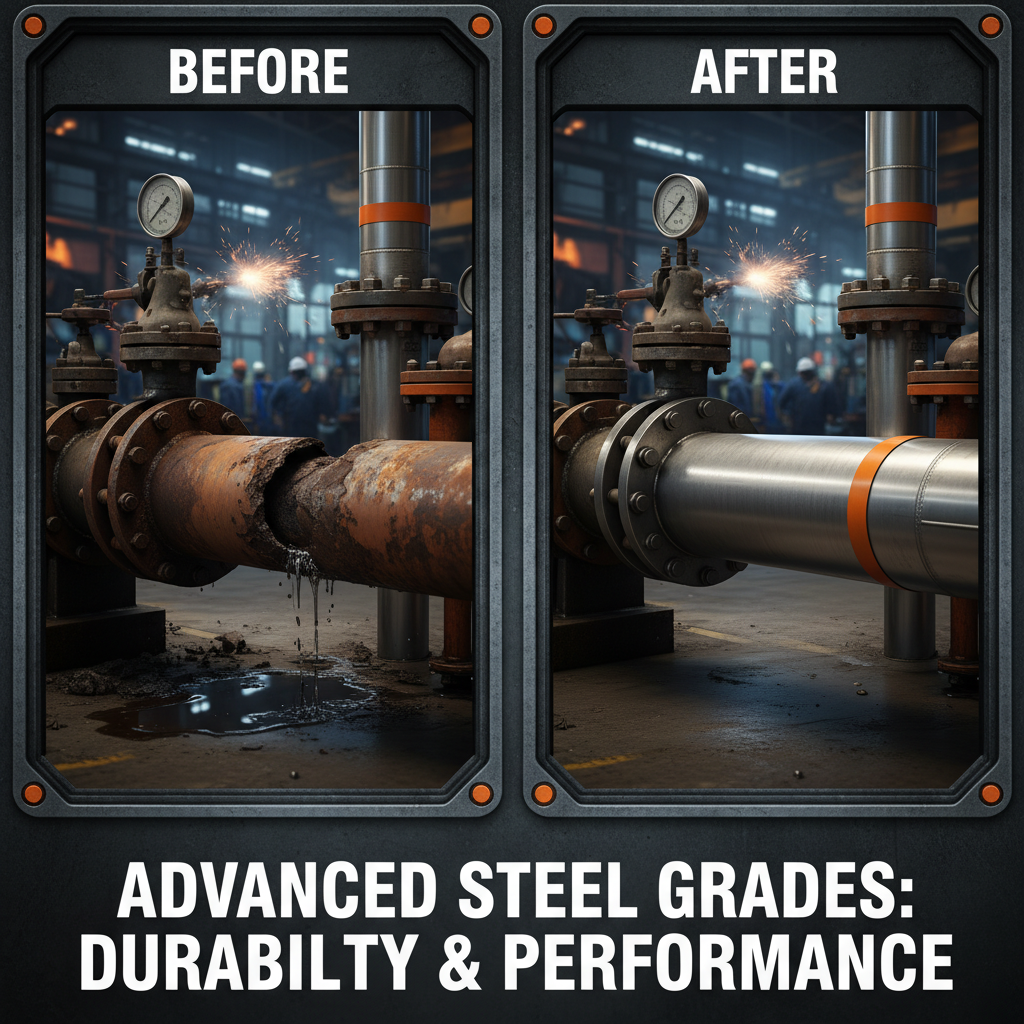
While not stainless steel, the pipe offers reasonable resistance to certain corrosive substances, especially when coated or used with protective linings. This makes it versatile in harsh conditions.
3. Versatility in Size and Schedule
These pipes come in various diameters and wall thicknesses (Schedules 40, 80, etc.), allowing engineers to tailor them to specific flow rates and pressures.
4. Cost Efficiency
Compared to more exotic alloys or composite pipes, the a 106 pipe is relatively economical, balancing cost with reliable performance.
5. Compliance and Testing
Strict ASTM testing regimes — tensile strength, bend tests, and chemical analysis — ensure each batch meets rigorous industrial standards.
| Property | Value / Range | Notes |
|---|---|---|
| Material | Carbon Steel | Seamless pipe |
| Temperature Range | -20°C to 450°C | Suitable for high-temp use |
| Tensile Strength | 415 MPa (minimal) | ASTM Grade B minimum |
| Wall Thickness | Varies by Schedule (e.g., Sch 40, 80) | Customizable |
| Diameter | 1/8 inch to 48 inches | Wide range |
Mini takeaway: The a 106 pipe combines strength, versatility, and tested quality — perfect for demanding pipelines.
Global Applications & Use Cases of the a 106 pipe
You’ll find the a 106 pipe across continents and sectors. For example:
- Oil and Gas Transmission: From the US Permian Basin to Middle Eastern deserts, pipelines rely on these pipes to ferry crude and natural gas thousands of miles.
- Power Plants: High-pressure steam lines in thermal plants often use a 106 pipes for safe heat transfer.
- Water Infrastructure: Developing nations integrate these pipes in pipeline networks delivering water to millions.
- Post-Disaster Relief: NGOs set up temporary water systems using pre-fabricated a 106 pipes, thanks to their reliability and availability.
- Industrial Areas: Chemical plants in regions like Southeast Asia incorporate these pipes for transporting hazardous substances safely.
Mini takeaway: The a 106 pipe is essential in varied environments—whether it’s remote, disaster-affected, or highly industrialized.
Advantages & Long-Term Value of Using a 106 pipes
It’s not just about robust specs; the a 106 pipe brings peace of mind. Reliability reduces downtime and costly repairs. Its relative affordability means projects stay within budget. Environmentally, longer-lasting pipes reduce waste and the need for replacements — indirectly lowering carbon footprints. Socially, using trusted materials means communities relying on pipelines gain safety and dignity, especially crucial in humanitarian projects.
Frankly, the mix of technical performance and social impact is why so many engineers swear by it.
Future Trends & Innovations
Innovations are shaping how a 106 pipes evolve. Enhanced coatings and nanotechnology improve corrosion resistance. Digital sensors embedded along pipelines (a nod to the ‘Industrial Internet of Things’) monitor pipe integrity in real time, preventing leaks before they become disasters. Meanwhile, greener steelmaking processes are cutting CO₂ emissions in production. And, with increasing regulatory pressures for sustainable infrastructure, manufacturers are pushing standards beyond ASTM specs to include environmental performance.
Challenges & Solutions
Of course, no product is perfect. Corrosion remains a headache, especially in coastal or chemically aggressive environments. Transporting very high pressure or highly corrosive fluids sometimes pushes beyond the chemical limits of standard carbon steel. But solutions? Protective linings, cathodic protection, and blending with stainless or alloy steels are fairly standard workarounds. The key is correct application and maintenance.
| Supplier | Pricing | Quality Certifications | Global Reach | Special Services |
|---|---|---|---|---|
| SteelMax International | Mid-range | ISO 9001, API | North America, Asia | Custom cutting, expedited shipping |
| GlobalPipe Co. | Premium | API, ISO 14001 | Worldwide | Technical consulting, on-site testing |
| EastPipe Solutions | Budget-friendly | ISO 9001 | Asia-Pacific | Inventory stock, volume discounts |
Frequently Asked Questions About a 106 pipes
- What applications are the a 106 pipe best suited for?
- The ASTM A106 pipe is ideal for high-temperature and high-pressure transport of gases and liquids, commonly in oil and gas pipelines, power generation, and industrial processing.
- How does an a 106 pipe differ from other carbon steel pipes?
- It is seamless and manufactured specifically for elevated temperature service, with strict ASTM standards ensuring performance over alternatives that may be welded or less rigorously tested.
- Can a 106 pipes be used in coastal or highly corrosive environments?
- While standard a 106 pipes have moderate corrosion resistance, in such environments, additional protection like coatings or cathodic protection is recommended to extend lifespan.
- Are a 106 pipes customizable for different project requirements?
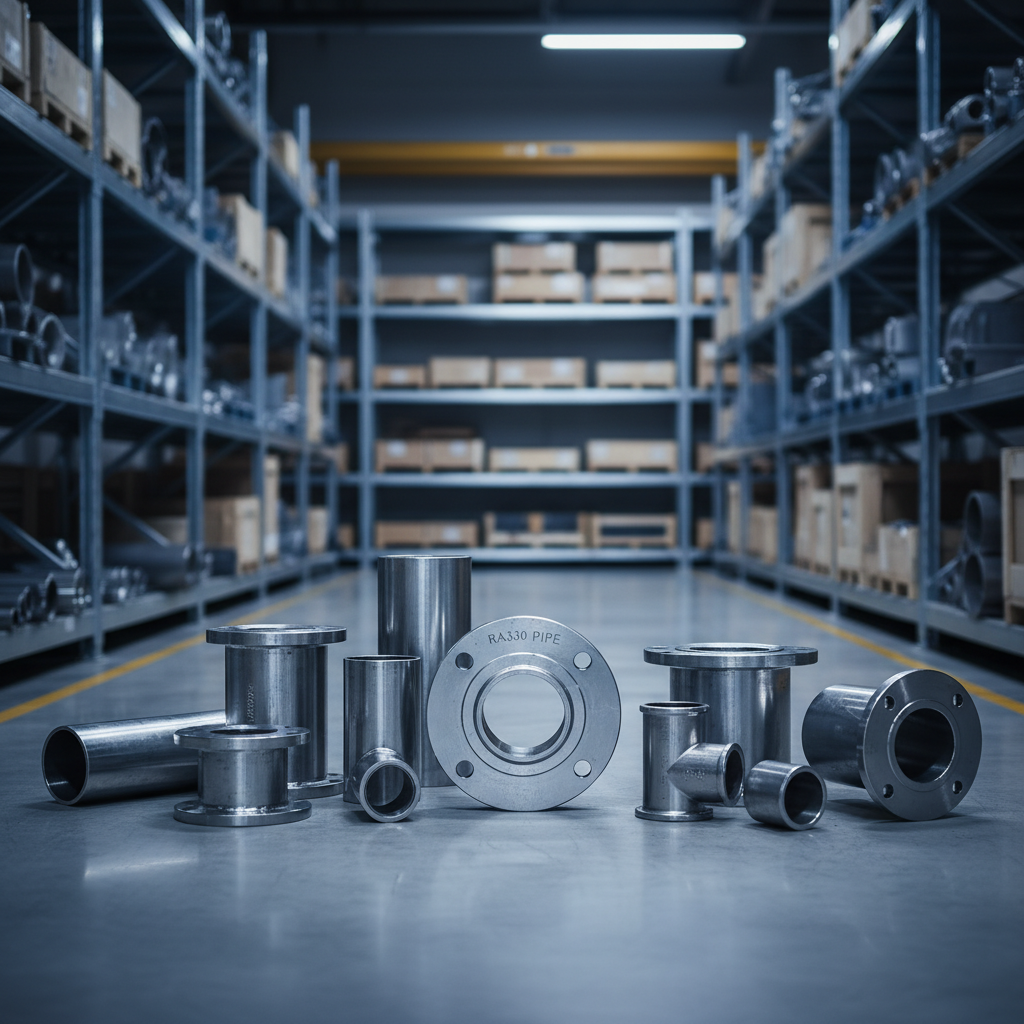
- Yes, these pipes are available in various diameters, wall thicknesses, and grades, allowing for tailored use. Vendors also offer custom cutting and finishing services.
- How can international buyers ensure quality when purchasing a 106 pipes?
- Purchasing from ISO and API-certified vendors and requesting material test reports (MTRs) and certificates helps maintain quality control across borders.
Conclusion: Why Invest in a Reliable a 106 pipe?
The a 106 pipe is more than just a steel tube; it’s an enabler of global energy, water, and industrial supply chains. Its durability, flexibility, and cost-effectiveness make it a favored choice across diverse sectors and geographies. Looking ahead, advancements in materials and monitoring technologies will only enhance its value. For anyone involved in infrastructure projects or humanitarian efforts, investing time to understand and select the right a 106 pipe pays off in safety, sustainability, and peace of mind.
Ready to explore how the right a 106 pipe can improve your projects? Visit our website: https://www.world-steelmaterial.com
Oddly enough, working with a 106 pipes connects the dots between raw materials and real-world impact — a reminder that even a simple pipe has a big story to tell.
- United Nations Water Scarcity Report, 2020.
- International Energy Agency, World Energy Outlook, 2023.
- ASTM A106 Standard Specification, ASTM International.
Post time: Dec . 02, 2025 16:34
 English
  Arabic
  Bengali
  China
China  French
  German
  Hausa
Hausa  Indonesian
  Italian
  Japanese
  Javanese
  Malay
Malay  Persian
  Portuguese
  Punjabi
  Russian
  Spanish
  Swahili
  Telugu
  Vietnamese