

Astm A106 A53: Foundations of Modern Steel Piping Standards
Steel piping is omnipresent—running quietly underground, threading through factories, and fueling the infrastructure that supports contemporary life. Among the standards that guide its production and use, ASTM A106 and A53 stand out as global pillars. Understanding these standards matters a lot, not only for engineers and suppliers but for anyone connected to industrial development, energy transport, or sustainable construction worldwide. Let’s unpack what ASTM A106 and A53 really mean, and why they're so crucial across industries and continents.
Global Context: Why ASTM A106 A53 Standards Matter
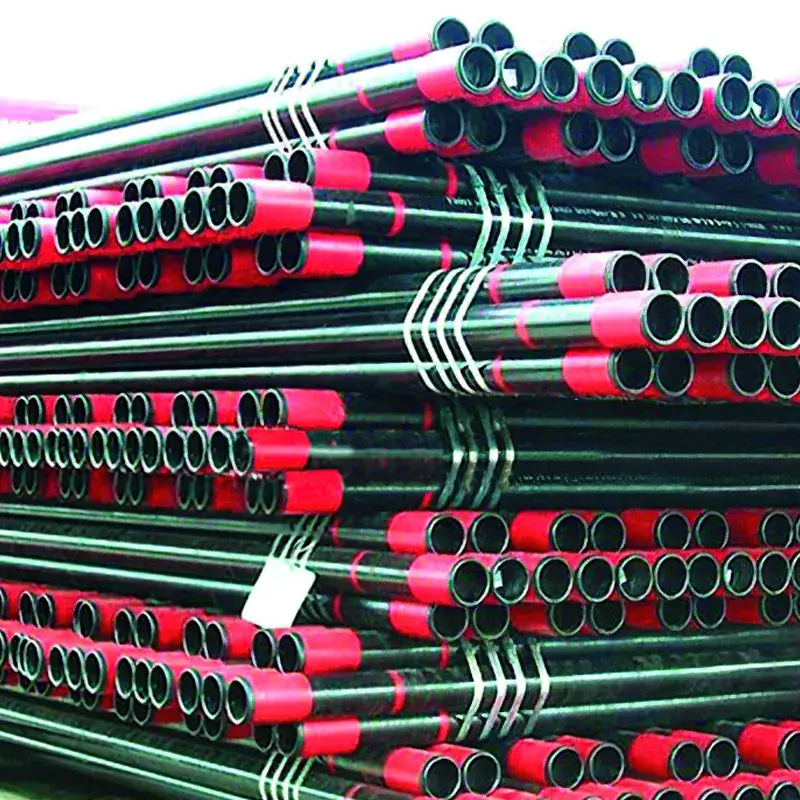
Both ASTM A106 and ASTM A53 standards specify requirements for seamless or welded carbon steel pipe. These pipes are fundamental for high-temperature service, boilers, pressure systems, and structural applications worldwide. According to the International Organization for Standardization (ISO), such standardization promotes interoperability, safety, and quality assurance—things critical in global supply chains and infrastructure projects.
The World Steel Association reports that over 1.8 billion metric tons of steel were produced globally in 2021, much of it destined for piping in energy, construction, and manufacturing sectors. Yet, inconsistent pipe quality can become a bottleneck, risking leaks, failures, and costly downtime. In regions with high industrial growth (think South Asia, Middle East), compliance with ASTM A106 and A53 ensures smooth operations and safety compliance, addressing a persistent challenge: how to meet demand with reliable, industry-recognized quality.
What Exactly Are ASTM A106 and A53?
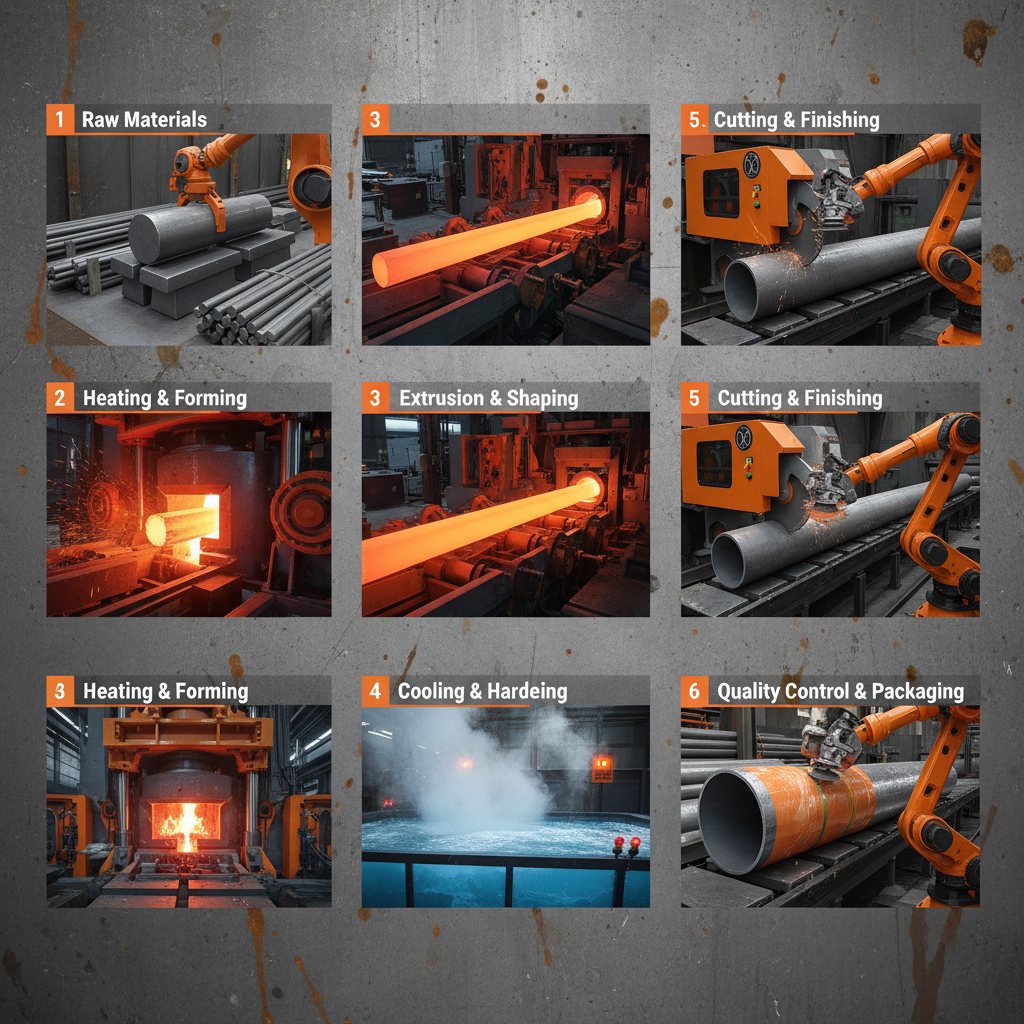
Put simply, ASTM A106 and A53 are two American Society for Testing and Materials (ASTM) standards that define the material, dimensions, manufacturing process, and testing for carbon steel pipes.
- ASTM A106: Covers seamless carbon steel pipe intended for high-temperature service, usually in power plants, refineries, and chemical processing.
- ASTM A53: Applies to welded and seamless carbon steel pipe used for mechanical, structural, or pressure applications, including low- to moderate-temperature service.
Understanding these brings clarity and confidence to specifying pipes for projects that must balance strength, durability, and safety, especially in industries where human and environmental security are priorities.
Core Components of ASTM A106 A53
1. Durability and Strength
Both standards specify chemical composition and mechanical properties to ensure pipes endure thermal stress and pressure. This means the pipe won’t crack or weaken under normal service conditions — a key factor in power plants and gas transmission.
2. Manufacturing Method
While ASTM A106 pipes are seamless, ASTM A53 pipes come as both seamless and welded varieties. This affects the pipe’s strength and suitability—welded pipes offer cost-effectiveness but with some tradeoffs in stress handling.
3. Dimensional Tolerances
Precise control over pipe diameter, wall thickness, and length is part of the standards, ensuring parts fit properly in complex assemblies.
4. Testing Procedures
Both standards require hydrostatic testing, tensile testing, and flattening tests, confirming the pipes meet rigorous safety and performance benchmarks before hitting the market.
5. Corrosion Resistance
While these carbon steel pipes aren’t inherently corrosion-resistant, their standardized material composition allows users to pair them with appropriate coatings or cathodic protection systems.
6. Cost Efficiency
Compliance with ASTM A53 and A106 reduces procurement risks and minimizes site failures — ultimately saving costs over the lifecycle of infrastructure.
Product Specification Table: ASTM A106 vs ASTM A53 Pipes
| Property | ASTM A106 | ASTM A53 |
|---|---|---|
| Pipe Type | Seamless | Seamless/Welded |
| Application | High-temp/high pressure | Low to moderate temp/service |
| Grades Available | A, B, C | A, B |
| Testing | Hydrostatic, tension, bend | Hydrostatic, impact, bend |
| Typical Industries | Power generation, petrochemical | Structural, mechanical, plumbing |
Global Applications & Use Cases
Across Asia, Europe, and North America, ASTM A106 and A53 pipes are dependable workhorses. For example, in the oil and gas sector of the Middle East, ASTM A106 A53 pipes help transport crude and refined products safely under high pressure and temperature. Meanwhile, in civil infrastructure projects spanning bridges in Europe or water treatment plants in India, the durability and certified quality guard against costly failures.
In post-disaster relief operations in seismic zones, these pipes form the backbone of makeshift but robust water and gas pipelines helping local communities return to normal. Oddly enough, even remote industrial zones depend on these standardized pipes because vendors guarantee consistent quality no matter the geography.
Vendor Comparison Table: Leading ASTM A106 and A53 Suppliers
| Supplier | Pipe Types | Certifications | Lead Time | Price Range |
|---|---|---|---|---|
| SteelCorp Global | Seamless, Welded | ASTM, ISO 9001 | 4-6 weeks | $$$ |
| PipeMasters Co. | ASTM A106 Seamless | ASTM, API certified | 3-5 weeks | $$ |
| Global Steel Supply | Welded ASTM A53 primarily | ASTM, CE Mark | 5-7 weeks | $ |
Advantages & Long-Term Value
Choosing ASTM A106 A53 compliant pipes is, frankly, choosing predictability. To the engineer, it’s peace of mind knowing these pipes have been tested extensively; to the supplier, it means fewer returns or failures; and to society, it means safer, longer-lasting infrastructure. Steel pipes under these standards withstand harsh conditions, incur fewer repairs, and reduce operational risks.
Emotionally, there’s something reassuring about “standards done right.” Builders trust their structures, communities trust that their water won’t be compromised, and project managers appreciate the lower liability. From a sustainability perspective, better durability means fewer replacements and less resource consumption over time.
Future Trends & Innovations
The steel piping industry is embracing greener production techniques—think hydrogen-reduced iron and electric arc furnaces powered by renewable energy. ASTM A106 A53 standards are increasingly updated to incorporate specifications for enhanced corrosion resistance or use with renewable energy infrastructure such as geothermal plants.
Another key trend is digitization. Smart sensors integrated into pipe systems can monitor pressure changes, corrosion buildup, or microfractures in real-time—potentially extending pipe life and preventing disasters. Automated welding and fabrication technologies also promise improved quality, precision, and lead times.
Challenges & Expert Solutions
No standard is perfect, and steel pipes face issues like corrosion or variance in welding quality—especially from less regulated suppliers. Often, buyers are challenged by identifying trustworthy vendors that meet ASTM A106 and A53 standards rigorously.
Experts recommend using certified third-party testing labs and insisting on full traceability documentation. In-service coating inspections and use of cathodic protection systems can mitigate common problems. Increasingly, industry consortia are pushing for global harmonization of steel pipe standards, aiming to reduce risks and encourage wider adoption.
FAQ: Frequently Asked Questions About ASTM A106 A53
Q1: What are the differences between ASTM A106 and ASTM A53 pipes?
A1: ASTM A106 pipes are seamless and geared for high-temperature applications like power plants, while ASTM A53 covers both seamless and welded pipes for general purpose mechanical or structural use.
Q2: Can ASTM A53 pipes handle high pressure and temperature?
A2: They can manage moderate pressure and temperatures, but for high-temperature or highly pressurized systems, ASTM A106 pipes are often preferred due to their seamless construction.
Q3: How do I ensure the pipes I buy meet ASTM standards?
A3: Always ask suppliers for mill test reports (MTRs) certified by third-party labs, confirming compliance with ASTM A106 or A53.
Q4: Are ASTM A106 A53 pipes environmentally sustainable?
A4: While steel production is resource-intensive, adherence to these standards promotes durability and reduces waste. Pairing pipes with sustainable coatings and using recycled steel options can improve their eco-profile.
Q5: How can international NGOs import ASTM A106 A53 pipes?
A5: They should coordinate with verified global suppliers who provide full compliance documentation and assist with customs and logistics — essential for smooth import and delivery.
Conclusion
ASTM A106 and A53 pipes are not just cold technical specs on paper—they’re foundations of safe, efficient industrial and civil infrastructure worldwide. Choosing these standards means investing in quality, durability, and peace of mind for present and future projects. If you want to explore how ASTM-certified pipes can enhance your next project, don’t hesitate to visit our website and discover a trusted partner in global steel supply.
Mini Takeaway: Whether it’s in power generation, oil transport, or city infrastructure, ASTM A106 and A53 form the invisible backbone keeping things flowing smoothly and safely.
References:
Post time: Dec . 02, 2025 12:55
 English
  Arabic
  Bengali
  China
China  French
  German
  Hausa
Hausa  Indonesian
  Italian
  Japanese
  Javanese
  Malay
Malay  Persian
  Portuguese
  Punjabi
  Russian
  Spanish
  Swahili
  Telugu
  Vietnamese