

Understanding A53 Steel Pipe: Essential Insights for Industry and Infrastructure
When it comes to building resilient infrastructure or powering industrial projects, materials matter. Among these, a53 steel pipe holds a special place globally. It’s not just a metal tube — it’s a backbone for safe, reliable pipelines and structures worldwide. For engineers, architects, and procurement teams, grasping its qualities will save both time and resources. So let’s dive into what makes a53 steel pipe important, how and where it is used, and why it remains a trusted choice across industries.
Global Context: Why A53 Steel Pipe Matters on the World Stage
Steel pipes like the a53 steel pipe play a crucial role in global infrastructure. According to the World Steel Association, the steel sector accounts for 11% of the world’s industrial output and drives projects in energy, transportation, and construction. Pipes compliant with ASTM A53 standards underpin millions of kilometers of water, gas, and oil pipelines across continents.
But the challenge is not trivial: pipelines must withstand varying climates, pressure regimes, and even corrosive environments. Choosing pipes that offer reliability, standardized quality, and cost-effectiveness is essential to avoid failures — which can lead to environmental damage or economic disruption. ASTM A53 steel pipe is engineered specifically to address these concerns and keep projects on track.
Mini takeaway: Globally, stringent standards like ASTM for a53 steel pipe ensure safety and uniformity in critical infrastructure, supporting industries that billions depend upon every day.
Defining A53 Steel Pipe: The Basics
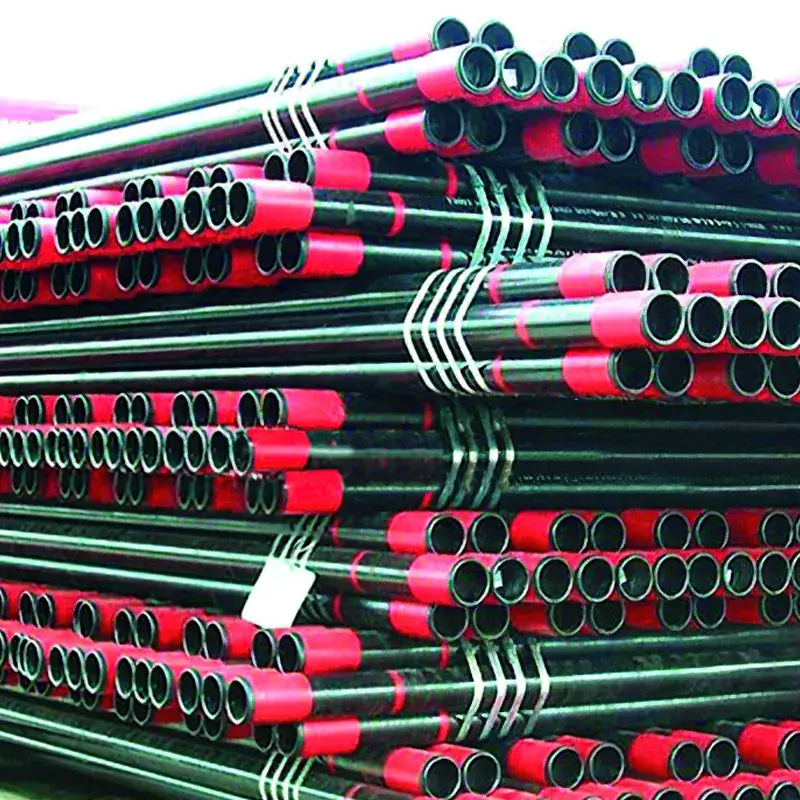
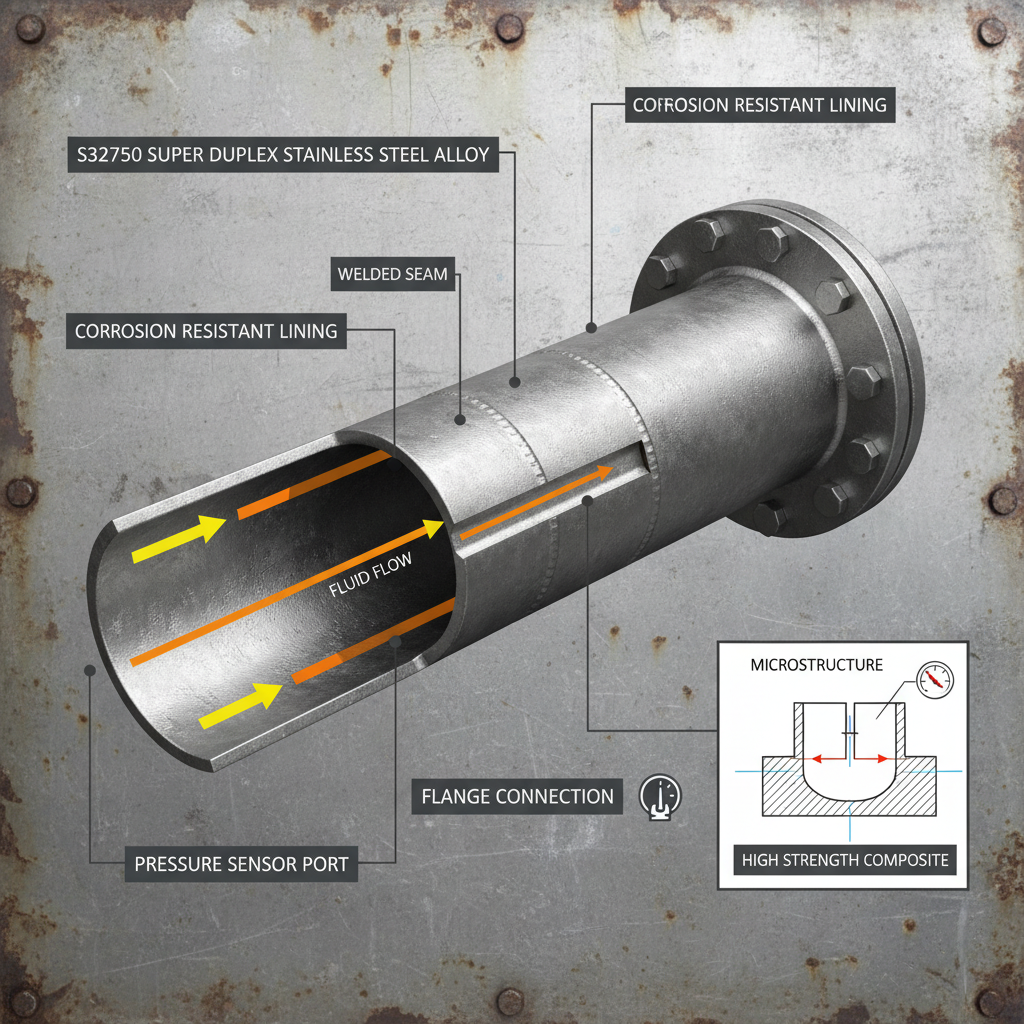
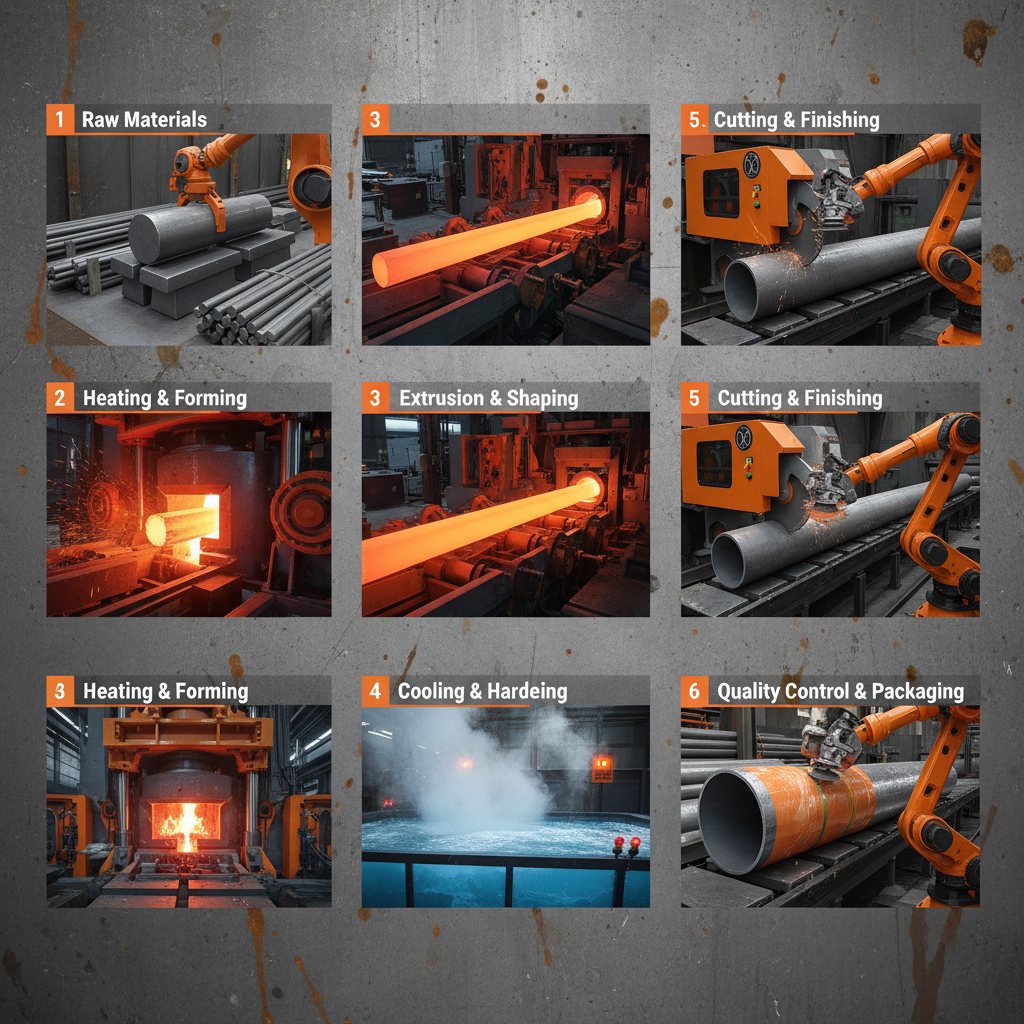
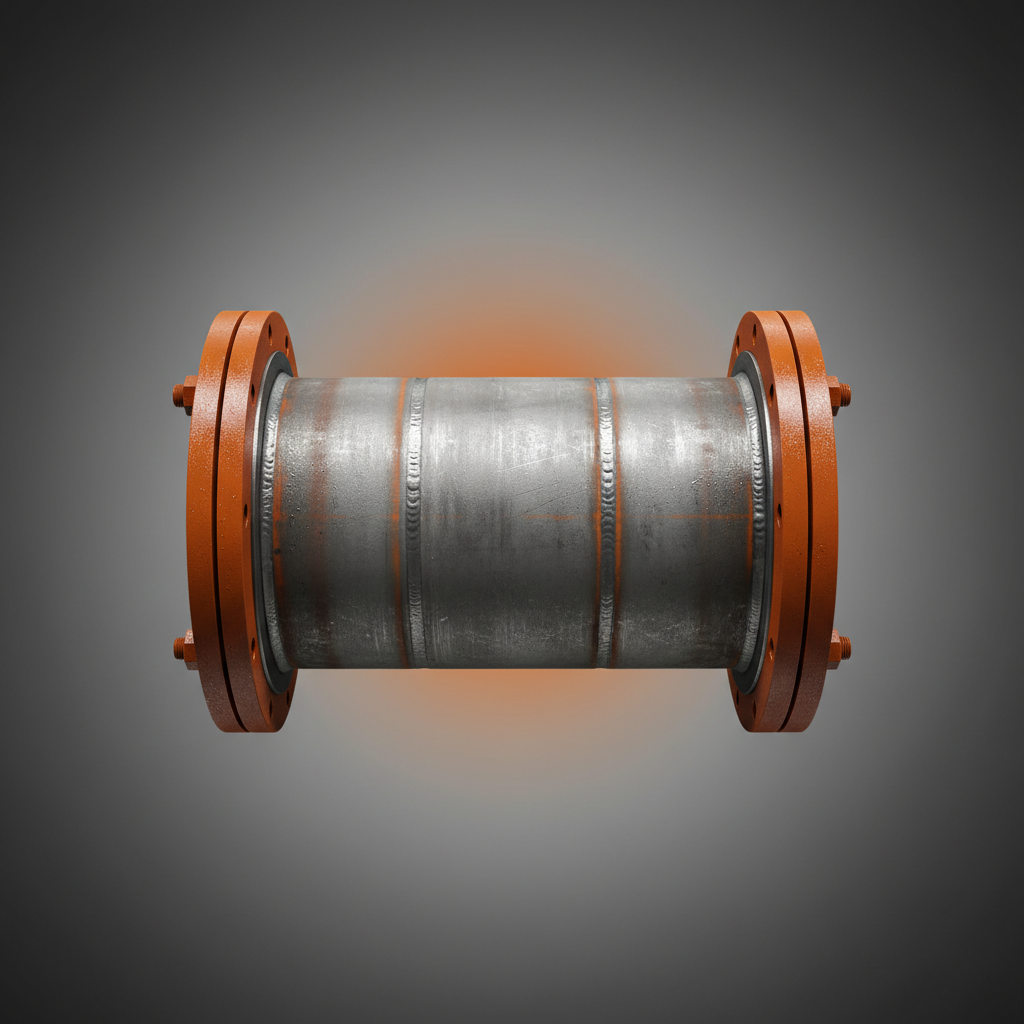
In simple terms, the a53 steel pipe is a carbon steel pipe standardized under ASTM A53, a specification from ASTM International. This pipe can be seamless or welded and is meant for mechanical and pressure applications. It also serves in steam, water, gas, and air conveyance.
Its importance extends beyond manufacturing; a53 steel pipes provide the skeleton for utilities that support modern living standards and humanitarian needs—think hospitals, clean water delivery, and industrial hubs. They help build resilient communities, resilient economies...
Core Components of A53 Steel Pipe that Engineers Rely On
Material Composition
ASTM A53 pipes primarily use carbon steel, which ensures strength and weldability. The chemical composition is controlled to balance mechanical properties and ease of manufacturing. This composition trend stays fairly consistent across manufacturers to meet the standard.
Durability and Corrosion Resistance
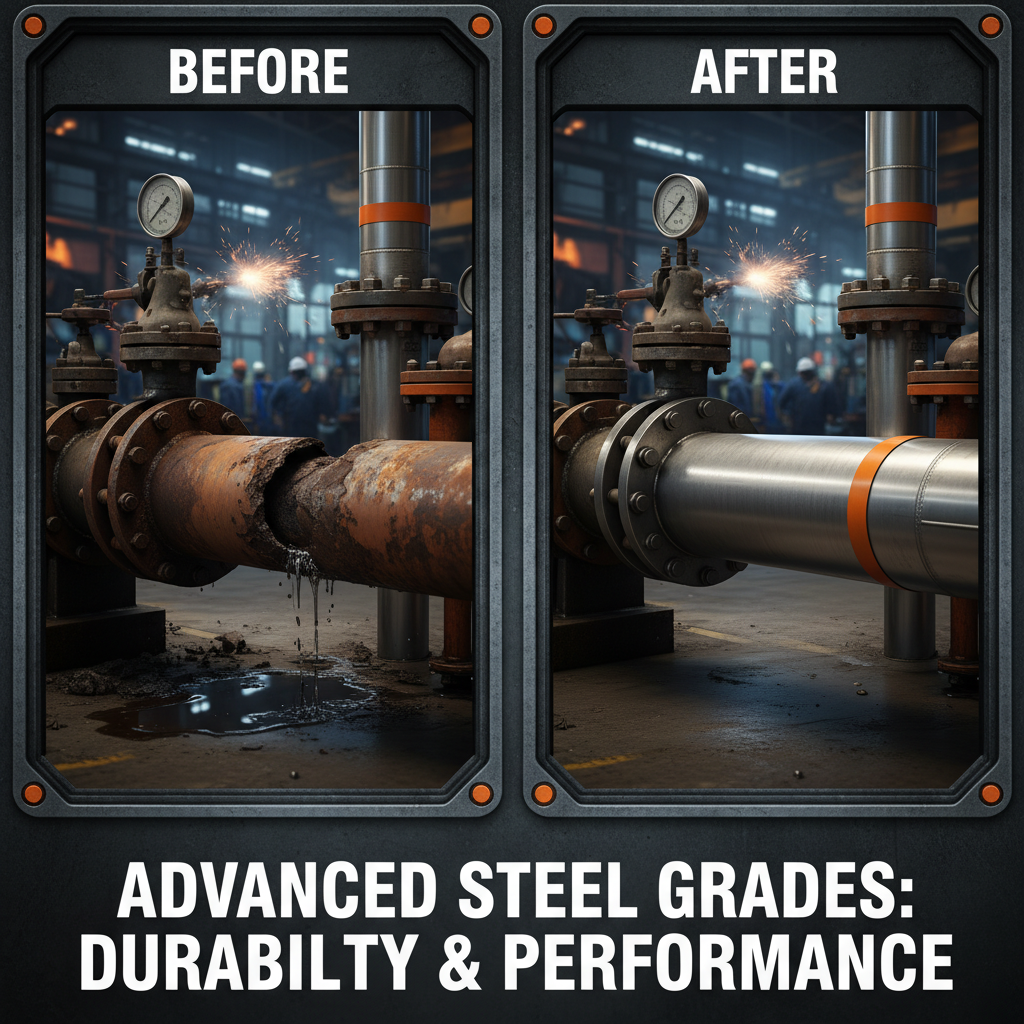
Although not stainless, these pipes exhibit good corrosion resistance for many environments, especially with protective coatings. This makes them suitable for underground piping or moderately corrosive atmospheres.
Sizing and Dimensional Accuracy
A critical aspect for seamless integration, ASTM A53 pipes come in various sizes (diameter, thickness) with tight tolerances. Consistency here reduces installation headaches and maintains flow integrity.
Cost Efficiency
Compared to specialty pipes, ASTM A53 pipes strike an appealing balance between cost and performance. They enable projects with constrained budgets to use reliable piping without overspending on excess features.
Mechanical Properties
With yield strengths typically ranging around 35,000 psi (Grade B), these pipes meet many structural and pressure requirements without adding unnecessary weight.
Mini takeaway: The standardized combination of material, durability, size, and cost makes a53 steel pipe a versatile option for pipelines and construction frameworks alike.
Global Applications and Real-World Use Cases
Where does this pipe actually get used? Across continents and industries. For instance:
- Energy sector: Long-distance transmission of oil and natural gas pipelines in North America, the Middle East, and Asia.
- Water supply projects: Municipal water networks in Europe often feature a53 steel pipe to ensure steady and safe water delivery.
- Construction: Structural applications, like support frameworks for bridges and industrial plants.
- Post-disaster relief: Rapid rebuilds of water and gas networks in disaster zones, leveraging quick availability and ease of installation.
Oddly enough, even in remote industrial zones, the dependability of these pipes has proven vital for on-the-fly repair work or expansion without complicated logistics.
Specification Table: Typical ASTM A53 Grade B Steel Pipe
| Attribute | Specification |
|---|---|
| Material | Carbon Steel (A53 Grade B) |
| Dimensions | Nominal sizes: 1/8" to 26" diameter; thickness varies |
| Mechanical Strength | Min yield strength: 35,000 psi (Grade B) |
| Manufacturing Types | Seamless or welded |
| Applications | Pressure pipelines, water, gas, structural support |
Comparing Leading Vendors of A53 Steel Pipe
| Vendor | Price Range (per ton) | Delivery Time | Quality Certifications | Global Reach |
|---|---|---|---|---|
| SteelCorp Inc. | $600 - $700 | 2-4 weeks | ISO 9001, API 5L | Global |
| Global Pipes Ltd. | $650 - $720 | 3-5 weeks | ISO 14001, ASTM Certified | Europe, Asia, Americas |
| Eastern Steel Co. | $580 - $680 | 1-3 weeks | ISO 9001, CE Mark | Asia, Middle East |
Advantages and Long-Term Value of Using A53 Steel Pipe
Frankly, the reasons people keep coming back to ASTM A53 steel pipe aren’t just technical — they’re emotional too. The pipes provide safety and trust. Imagine a water supply pipe failing; it’s not just an inconvenience but a disruption of dignity and health. Using a material known for steady performance offers peace of mind to engineers and communities alike.
On the cost side, the balance of strength and affordability means projects stretch their budgets without sacrificing reliability. And from a sustainability angle, steel pipes are recyclable, which adds to their long-term ecological value — a factor increasingly prioritized in infrastructure development.
Future Trends & Innovations in A53 Steel Pipe Usage
Looking ahead, the steel pipe industry is tapping into green energy trends. Enhanced coatings for corrosion resistance and digital tracking systems for supply chain transparency are beginning to reshape procurement and maintenance. Additionally, some manufacturers are experimenting with hybrid steel composites to reduce weight but keep strength — though these remain niche for now.
Automation in welding and fabrication processes is speeding production times, which is especially valuable during emergency repairs or large infrastructure pushes in growing cities worldwide.
Challenges & Solutions in Working with A53 Steel Pipe
No product is without challenges. For a53 steel pipe, corrosion can be an issue if the environment is too harsh or protective coatings aren't properly maintained. Also, transportation and handling of large-diameter pipes require care to avoid deformation.
Experts recommend thorough quality assurance testing, on-site inspections, and the use of cathodic protection systems when pipes are buried underground. Regular maintenance schedules and training staff to handle pipes reduce the risk of failure.
FAQ: Frequently Asked Questions About A53 Steel Pipe
- Q1: What is the difference between seamless and welded A53 steel pipes?
- A1: Seamless pipes are made from a solid billet, resulting in a pipe without a seam, offering better strength and often used in high-pressure applications. Welded pipes are formed by rolling steel and welding the seam, typically more cost-effective but sometimes less resistant to pressure.
- Q2: Can ASTM A53 pipes be used for transporting drinking water?
- A2: Yes, A53 steel pipes are suitable, especially when properly coated or lined to prevent corrosion and maintain water quality. However, local codes and standards should be checked for compliance.
- Q3: How do I know if the A53 steel pipe meets international quality standards?
- A3: Look for certification labels and documentation like ISO 9001, API 5L, or ASTM compliance. Reputable vendors provide detailed mill test reports upon request.
- Q4: What are the maintenance requirements for A53 steel pipes installed underground?
- A4: Regular inspections for leaks or corrosion are essential. Protective coatings and cathodic protection systems significantly reduce maintenance needs and extend lifespan.
- Q5: Is it possible to customize dimensions or grades when ordering A53 steel pipe?
- A5: Many manufacturers offer custom diameters, wall thicknesses, and grades within ASTM specifications to suit unique project needs. Early vendor consultation is advised.
Conclusion: Why A53 Steel Pipe Remains a Wise Choice
In real terms, the a53 steel pipe is a practical, durable, and economical solution that has served industries around the world for decades. Its balance of strength, affordability, and regulatory compliance make it a go-to material for reliable pipelines and structures. If your next project demands material that’s proven and versatile, consider A53 steel pipe seriously.
For more in-depth specifications or to discuss your requirements, feel free to visit our website. We’re here to help you navigate the complexities of sourcing quality steel piping.
Mini takeaway: Trustworthy, standardized, and flexible, A53 steel pipes support the infrastructure that powers modern life. Understanding their capabilities and challenges will empower your project’s success.
References:
1. ASTM International. ASTM A53 Standard Specification for Pipe, Steel, Black and Hot-Dipped, Zinc-Coated, Welded and Seamless.
2. World Steel Association. World Steel in Figures 2023.
3. Wikipedia Contributors. “Steel pipe.” Wikipedia, The Free Encyclopedia.
Post time: Dec . 02, 2025 05:35
 English
  Arabic
  Bengali
  China
China  French
  German
  Hausa
Hausa  Indonesian
  Italian
  Japanese
  Javanese
  Malay
Malay  Persian
  Portuguese
  Punjabi
  Russian
  Spanish
  Swahili
  Telugu
  Vietnamese