

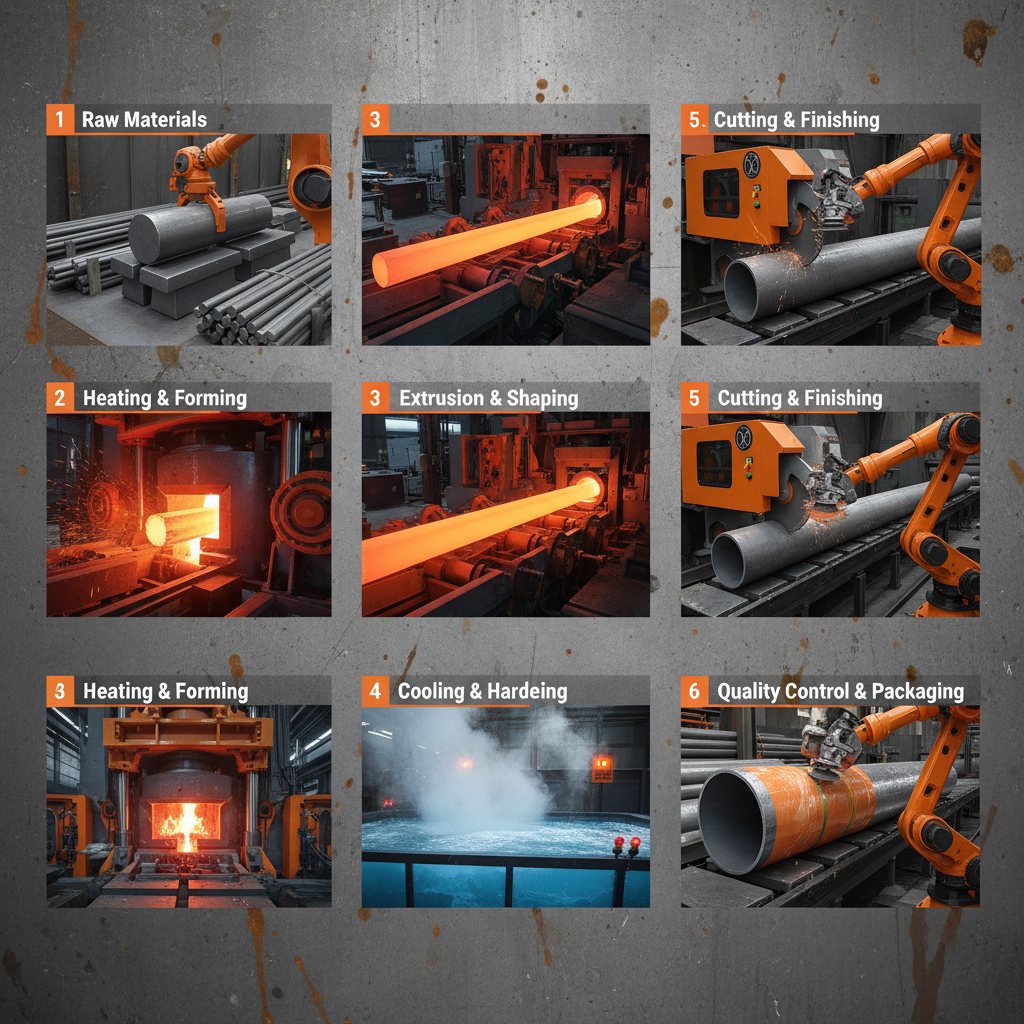
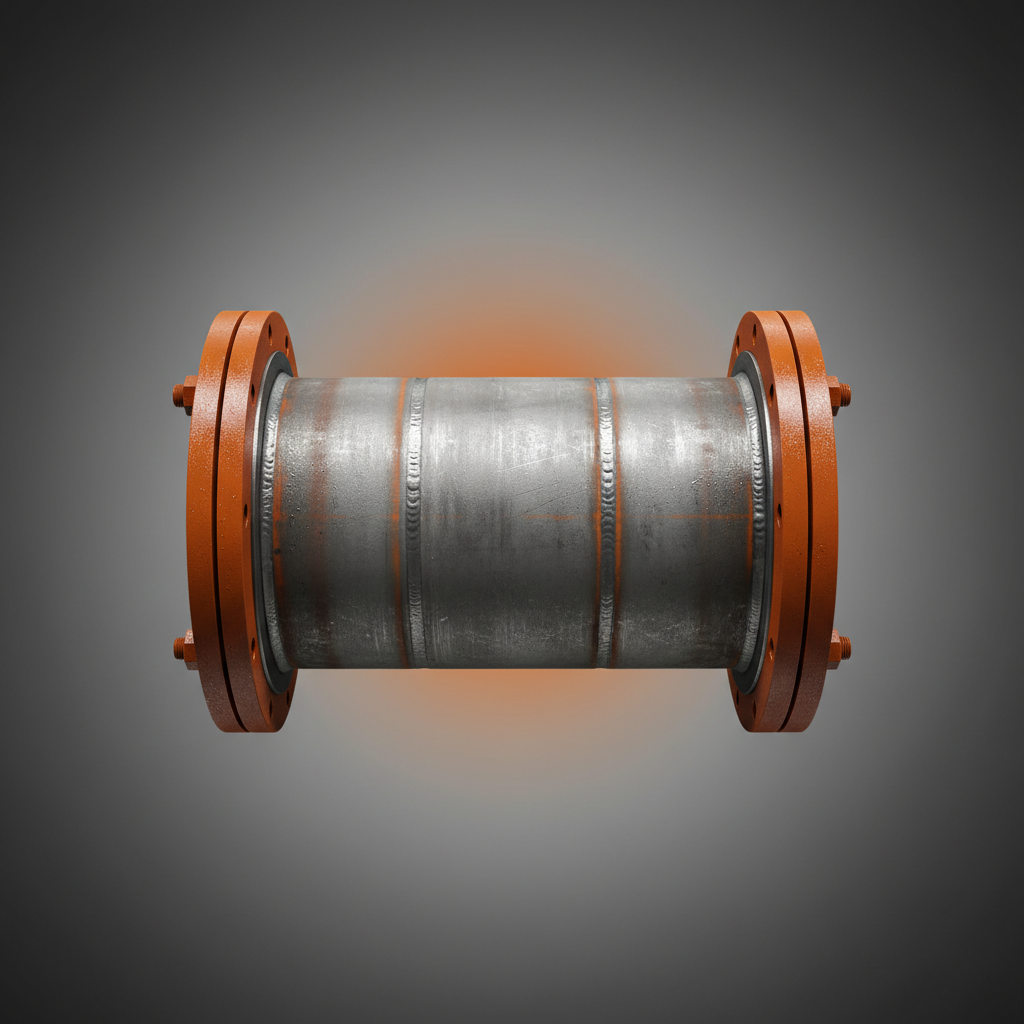
321h Stainless Steel Pipe is a key solution in the industry, specifically within high-temperature and corrosive environments. This article explores how https://www.world-steelmaterial.com supports professionals with durable, high-performance products, and explains why this product is an ideal choice for businesses in these sectors.
Table of Contents
- 321h Stainless Steel Pipe Overview
- Benefits & Use Cases of 321h Stainless Steel Pipe
- Cost, Maintenance & User Experience
- Sustainability & Market Trends
321h Stainless Steel Pipe Overview
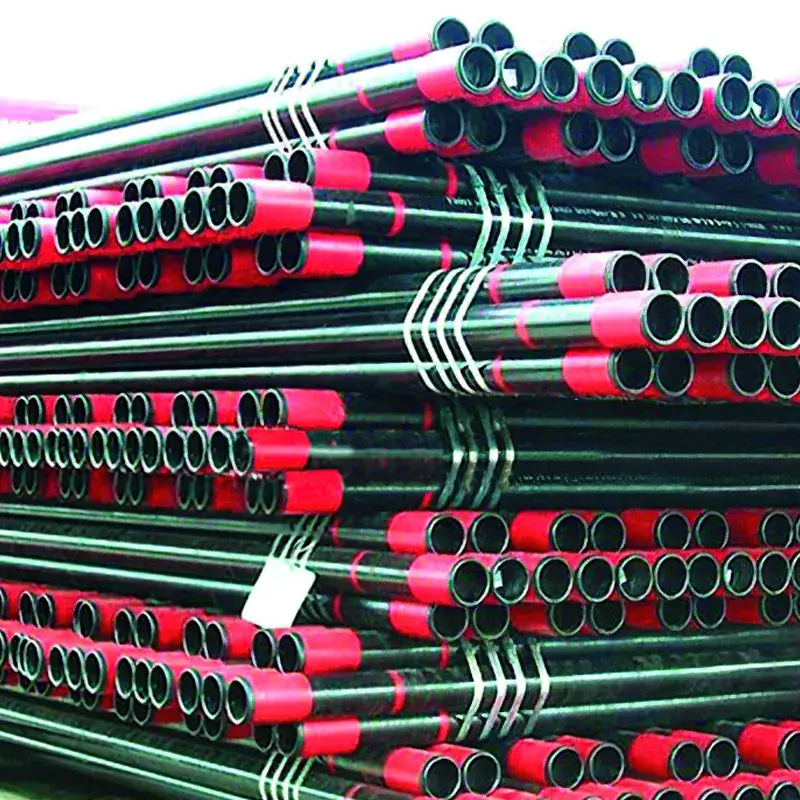
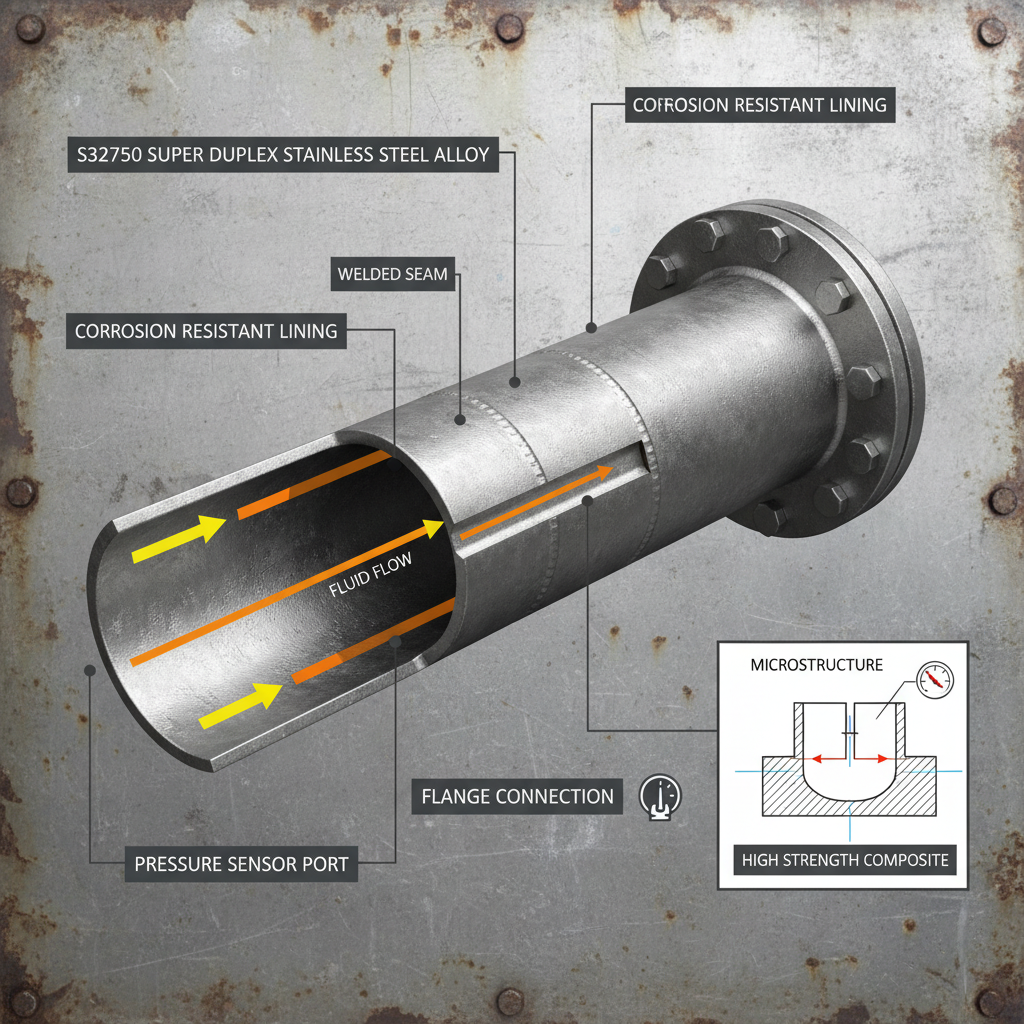
321h Stainless Steel Pipe is essentially a high-temperature resistant alloy primarily enhanced with titanium to stabilize the structure. This means it resists sensitization — a pesky problem that causes corrosion in welded joints at elevated temperatures. Oddly enough, that tiny titanium boost makes a big difference when your piping has to survive in the harshest heat and oxidative environments.
From a technical standpoint, 321h is similar to the 321 grade but with a higher carbon content, roughly 0.04-0.10%, which improves its creep resistance. Frankly, this kind of chemical adjustment gives it the edge in power plants, chemical processing, and aerospace sectors where pipes often face cycles of high heat and pressure.
| Specification | Detail |
|---|---|
| Material | Austenitic Stainless Steel (Grade 321H) |
| Carbon Content | 0.04% – 0.10% |
| Tensile Strength | 515 MPa (min) |
| Yield Strength | 205 MPa (min) |
| Operating Temp Range | Up to 900°C (1650°F) |
| Corrosion Resistance | Excellent in oxidizing environments |
Benefits & Use Cases of 321h Stainless Steel Pipe
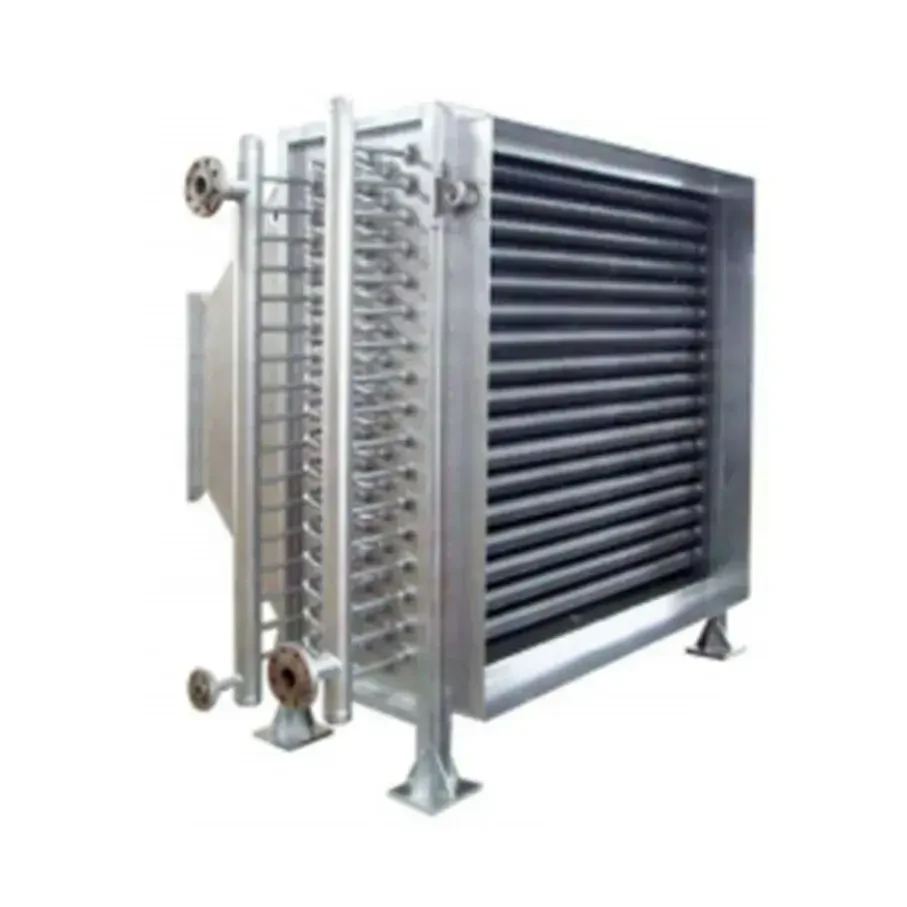
In practical terms, 321h Stainless Steel Pipe shines in industries where pipes are exposed to fluctuating high temperatures and corrosive fumes. For example, petrochemical refineries rely heavily on this grade for steam lines and heat exchangers. Why? Because it handles thermal cycling better than traditional stainless pipes, which often crack or corrode prematurely.
Another notable use case is in aerospace, where lightweight yet durable piping is crucial for fuel and hydraulic systems. The titanium-stabilized nature of 321h gives an edge that engineers appreciate — it’s tough, reliable, and available in custom sizes which matter for precision applications.
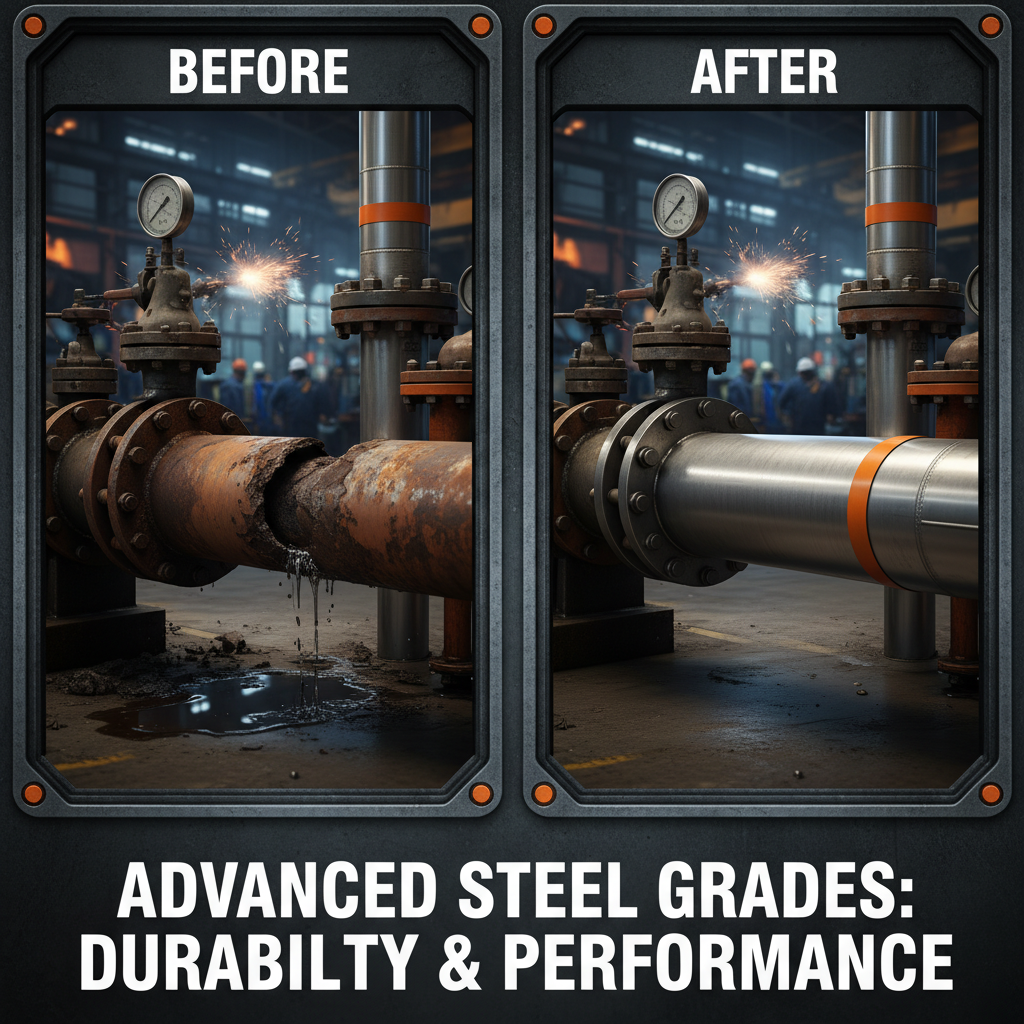
Also, its resistance to oxidation under higher temperatures gives it a longer lifespan compared to regular 304 or 316 pipes. In real terms, that means less downtime, fewer replacements, and a smoother production workflow overall — which, I suppose, is why so many B2B decision makers keep coming back to trusted suppliers like https://www.world-steelmaterial.com.
Cost, Maintenance & User Experience
Let’s be honest, 321h pipes might cost somewhat more upfront than standard stainless steel varieties. However, when you consider total cost of ownership, they often pay for themselves. Their improved durability in corrosive and high-temperature setups means lower maintenance costs and less frequent downtime. Customers report up to 30% longer service life in applications like power boilers or chemical reactors.
I came across some feedback recently from a steam plant operator who switched their piping system to 321h stainless steel — they mentioned “significant reductions in oxidation-related failures” and praised the supplier’s consistency in delivery quality, which frankly matters a ton when you’re managing tight project timelines.
Maintenance-wise, these pipes don’t require special coatings or treatments, unlike some alternatives, making upkeep comparatively straightforward. All in all, users find that the investment improves ROI because it supports smoother ongoing operations with fewer emergency repairs.
Sustainability & Market Trends
Oddly enough, the stainless steel industry is evolving rapidly to align with greener policies. 321h Stainless Steel Pipe benefits from being recyclable and often made with stringent environmental controls in place, especially at large global manufacturers. Recent regulations push companies toward materials that combine longevity with eco-conscious production, and 321h fits well into that narrative.
Moreover, the increasing demand for renewable energy infrastructure, like biofuel plants and geothermal systems, expands the market for high-temperature stainless steel pipes. Forecasts suggest a steady growth trajectory fueled by this shift. The ability for 321h pipes to perform under tough recycling and reuse conditions also gives it an edge in sustainability-conscious sectors.
Perhaps most intriguing is how vendors like World Steel Material meet this challenge by offering state-of-the-art quality assurance and certifications that comply with international environmental standards — it’s thoughtful sourcing indeed.
| Vendor | Quality Certifications | Lead Time | Typical Price Range (per kg) |
|---|---|---|---|
| World Steel Material | ISO 9001, PED, CE | 2-4 weeks | $5.50 - $7.00 |
| Domestic Supplier A | ISO 9001 | 3-5 weeks | $6.00 - $8.00 |
| Overseas Supplier B | ISO 14001 | 4-6 weeks | $4.80 - $6.50 |
Frequently Asked Questions about 321h Stainless Steel Pipe
- What is 321h Stainless Steel Pipe and how does it work?
- 321h Stainless Steel Pipe is a titanium-stabilized austenitic stainless steel designed to resist high-temperature corrosion and cracking, especially around welded areas. The titanium alloying element stabilizes the microstructure, preventing grain boundary carbide precipitation, ensuring the pipe’s durability under thermal stress.
- What are the main benefits of using 321h Stainless Steel Pipe in industrial applications?
- Key benefits include excellent oxidation resistance, superior strength at high temperatures, and resistance to intergranular corrosion. These advantages reduce maintenance needs and improve lifespan, making it highly cost-effective in demanding environments.
- How does 321h Stainless Steel Pipe compare to traditional alternatives?
- Compared to traditional 304 or 316 stainless steel pipes, 321h offers enhanced high-temperature stability and prevents weld decay. It outperforms in environments involving rapid temperature changes and oxidative stress, thus extending service life significantly.
- What industries can benefit most from 321h Stainless Steel Pipe implementation?
- Industries such as petrochemical refining, power generation, aerospace, and chemical processing gain the most benefit due to the material’s resistance to high temperature and oxidizing conditions. Its use in heat exchangers, boilers, and exhaust stacks is well documented.
Conclusion on 321h Stainless Steel Pipe from china
In summary, the 321h Stainless Steel Pipe is a robust solution meant to withstand the challenges of high-temperature and corrosive environments that many industrial sectors face today. Its enhanced durability, backed by strong technical specifications, makes it a smart investment for companies looking to reduce downtime and improve operational integrity.
- Reliable performance under thermal stress and corrosive conditions.
- Visit our website: https://www.world-steelmaterial.com to explore more.
It feels like the right time to consider 321h pipes for future-facing industrial projects — longevity, sustainability, and cost-efficiency all wrapped into one neat package.
- ASM International, Stainless Steels Technical Data, 2022.
- Industrial Pipe Materials Handbook, 2023 Edition.
- Customer Case Studies, World Steel Material, 2023.
Post time: Dec . 13, 2025 10:00
 English
  Arabic
  Bengali
  China
China  French
  German
  Hausa
Hausa  Indonesian
  Italian
  Japanese
  Javanese
  Malay
Malay  Persian
  Portuguese
  Punjabi
  Russian
  Spanish
  Swahili
  Telugu
  Vietnamese