

Understanding Astm A335 P5 Pipe for Critical Applications
Astm A335 P5 Pipe is, frankly, a workhorse in several demanding industries. It’s not glamorous, you know, but it is essential. We’re talking about high-temperature, high-pressure environments where failure isn't an option. This article will explore why professionals trust this alloy, and how World Steel Material supports them with consistently reliable product. It's about more than just specs; it's about preventing downtime and ensuring long-term operational efficiency…
Table of Contents
- Astm A335 P5 Pipe: A Closer Look
- Key Benefits and Applications
- Cost, Maintenance, and Real-World Performance
- Industry Trends and Future Outlook
Astm A335 P5 Pipe: A Closer Look
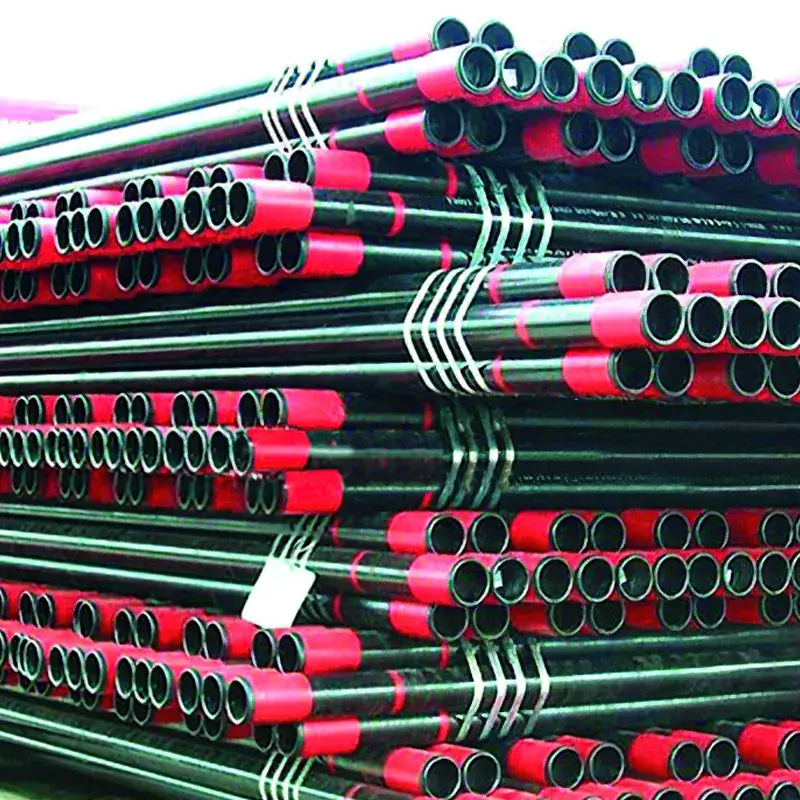
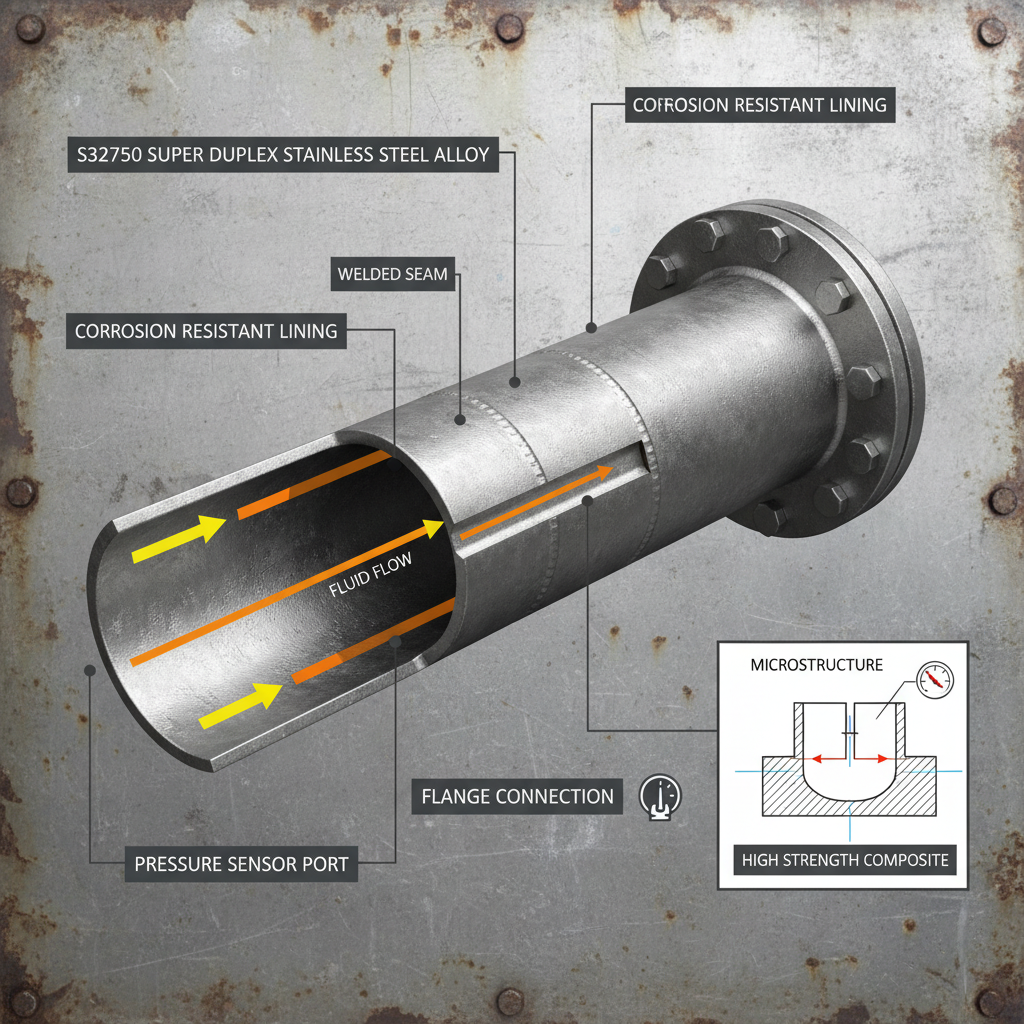
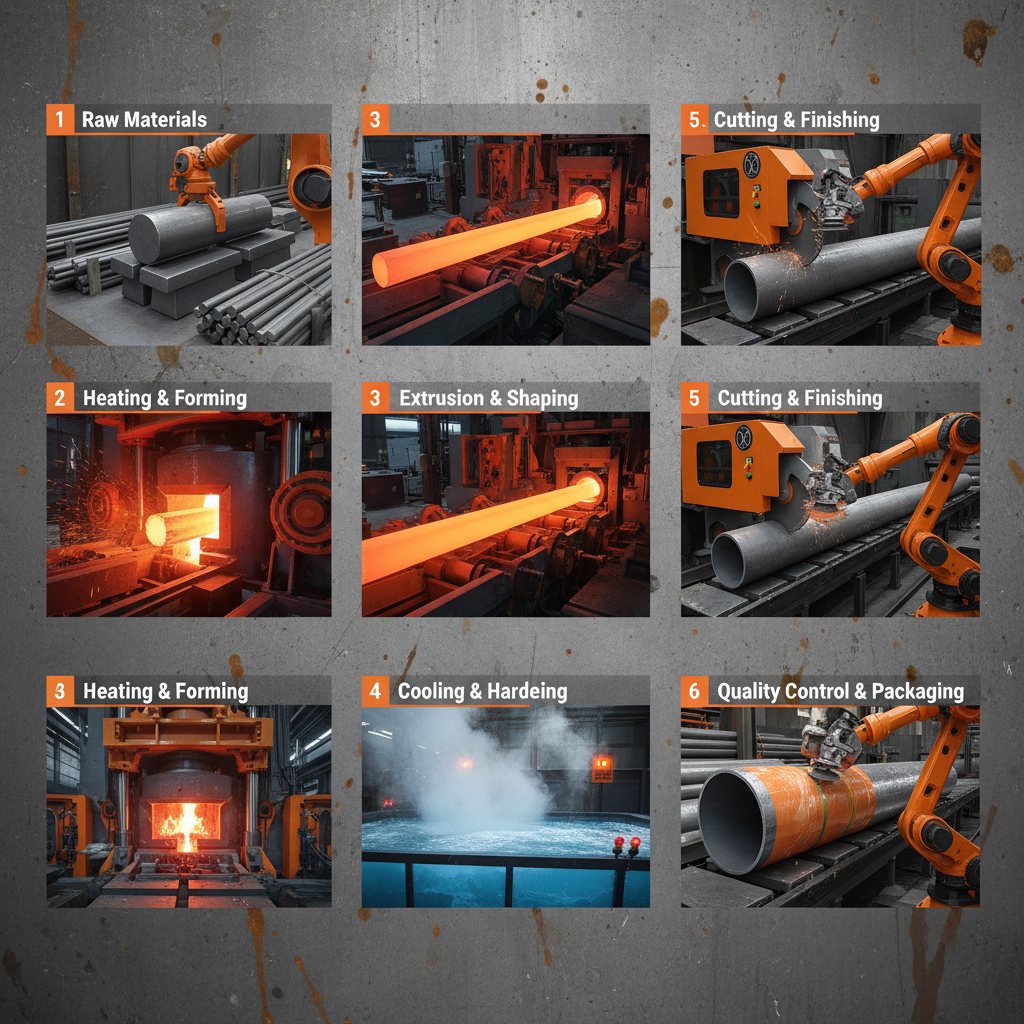
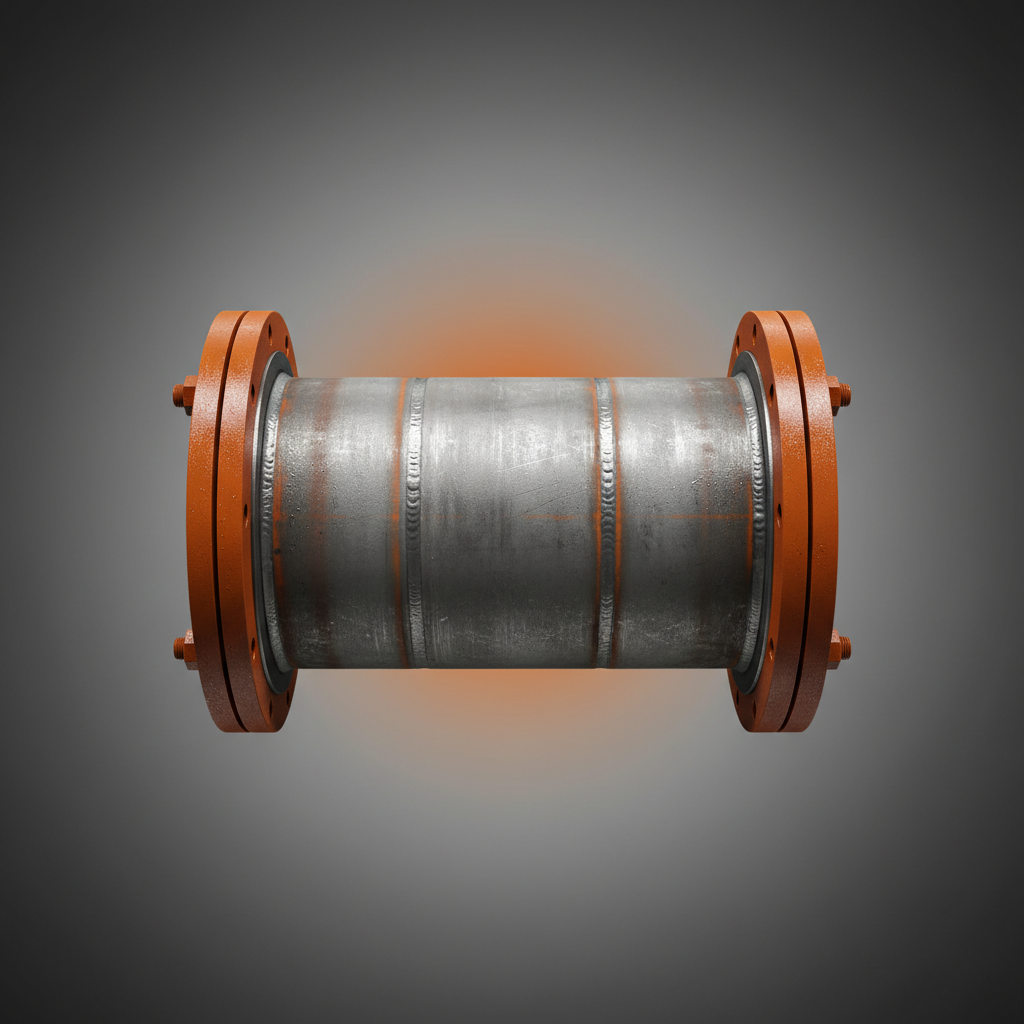
Astm A335 P5 is a chromium-molybdenum alloy steel pipe designed for high-temperature service. It’s part of a family of alloys, P1, P2, P5, P9, P11, P22, and P91, each offering increasing creep strength at higher temperatures. P5, specifically, finds widespread use in refineries, petrochemical plants, and power generation facilities. The "P" designation indicates pressure-temperature applications; it’s about safely handling those critical loads. I suppose the key is the careful balance of elements… chromium for corrosion resistance, molybdenum for strength, and controlled carbon content for weldability. Here's a quick rundown of typical specs:
| Specification | Value | Standard |
|---|---|---|
| Material | SA-335 P5 | ASTM A335 |
| Tensile Strength | 70,000 PSI min | ASTM A370 |
| Yield Strength | 35,000 PSI min | ASTM A370 |
| Operating Temperature | Up to 850°F | Application Dependent |
Key Benefits and Applications
The main draw is the ability to withstand high temperatures and pressures without significant creep or deformation. This makes Astm A335 P5 Pipe ideal for boiler tubes, superheater tubes, and headers in power plants. In refineries, it’s used extensively in catalytic cracking units and hydroprocessing units. Oddly enough, it’s also showing up more in geothermal applications, where corrosion resistance is paramount. Many engineers say its weldability is a major plus – easier fabrication translates to faster project completion. It’s also a relatively cost-effective solution compared to some of the more exotic alloys when you consider the longevity and reduced maintenance.
Cost, Maintenance, and Real-World Performance
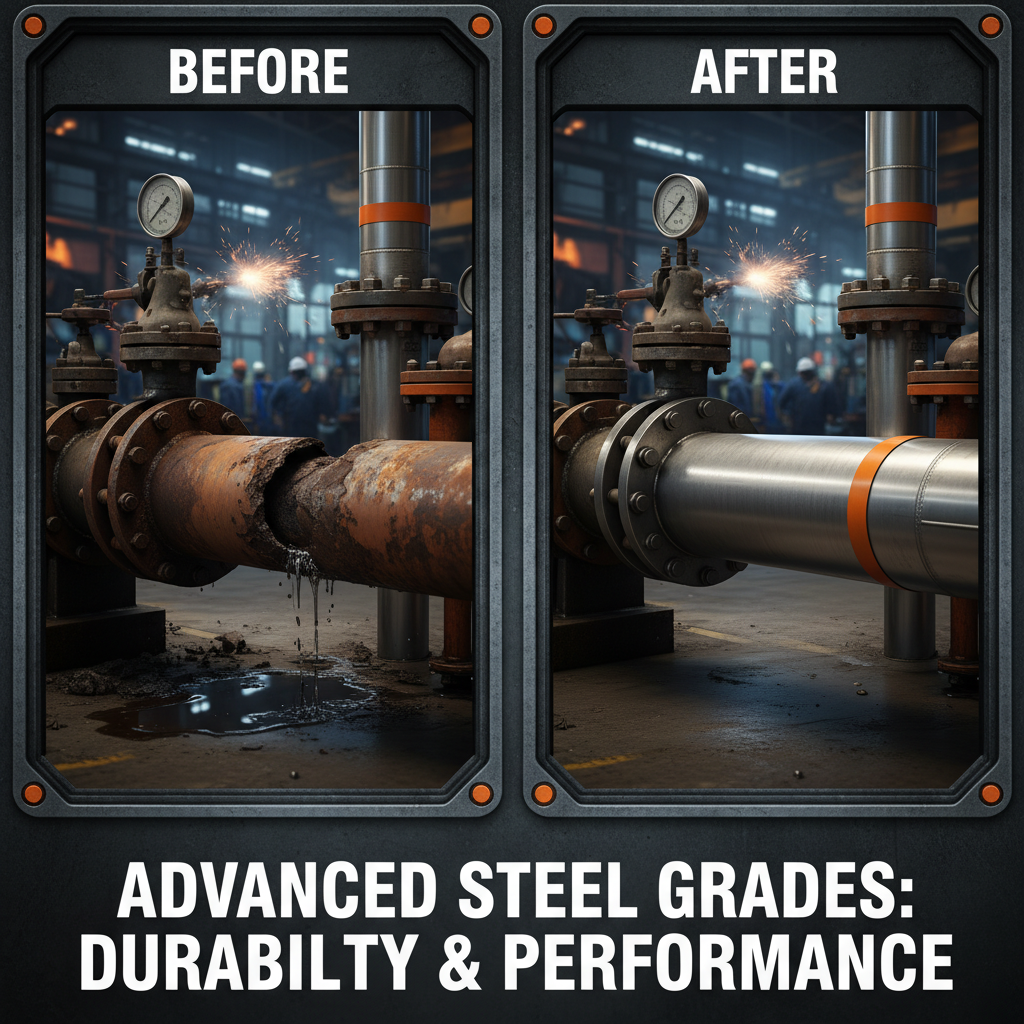
The initial cost of P5 pipe is higher than carbon steel, naturally. But you’re looking at a longer service life and reduced downtime, which significantly impacts the total cost of ownership. Maintenance is generally straightforward – regular inspections for corrosion and erosion are key. We worked with a refinery in Texas last year that had been constantly battling failures with a cheaper alloy. Switching to P5 resulted in a 30% reduction in unscheduled shutdowns, which, in real terms, saved them hundreds of thousands of dollars. Here’s a quick vendor comparison, from what we see in the market:
| Vendor | Pricing (per foot) | Lead Time | Certifications |
|---|---|---|---|
| World Steel Material | $8.50 - $12.00 | 4-6 weeks | ASTM, ISO 9001 |
| SteelCorp USA | $9.00 - $13.50 | 6-8 weeks | ASTM, API 5L |
| Global Metals Inc. | $8.00 - $11.00 | 8-10 weeks | ASTM |
Industry Trends and Future Outlook
We’re seeing a push for more efficient power generation and stricter environmental regulations, which, I believe, will drive demand for higher-performing alloys like P5. There’s also increasing interest in hydrogen production and carbon capture, and these processes often require materials capable of withstanding extreme conditions. It feels like the industry is slowly but surely recognizing the long-term value of investing in quality materials to avoid costly failures down the line.
Frequently Asked Questions about Astm A335 P5 Pipe
- What is Astm A335 P5 Pipe and how does it work?
- Astm A335 P5 pipe is a steel alloy designed for high-temperature, high-pressure applications. Its composition—primarily iron with additions of chromium and molybdenum—provides exceptional strength and resistance to creep deformation at elevated temperatures.
- What are the main benefits of using Astm A335 P5 Pipe in industrial applications?
- Key benefits include high tensile strength, excellent creep resistance, superior weldability, and good corrosion resistance. This translates to longer service life, reduced maintenance, and improved safety in critical applications.
- How does Astm A335 P5 Pipe compare to traditional alternatives?
- Compared to standard carbon steel, P5 offers significantly improved high-temperature performance. While more expensive initially, it can be more cost-effective over the long run due to reduced downtime and replacement costs.
- What industries can benefit most from Astm A335 P5 Pipe implementation?
- Industries like power generation, oil & gas, petrochemical, and geothermal energy stand to benefit significantly from using Astm A335 P5 Pipe in high-stress, high-temperature environments.
Conclusion
Ultimately, choosing the right alloy isn’t just about meeting a specification; it’s about ensuring long-term reliability and safety. Astm A335 P5 Pipe offers a compelling balance of performance, cost-effectiveness, and availability. Visit our website: https://www.world-steelmaterial.com for a quote.
- Choosing the right material matters.
Post time: Jan . 24, 2026 18:05
 English
  Arabic
  Bengali
  China
China  French
  German
  Hausa
Hausa  Indonesian
  Italian
  Japanese
  Javanese
  Malay
Malay  Persian
  Portuguese
  Punjabi
  Russian
  Spanish
  Swahili
  Telugu
  Vietnamese