

Understanding ASTM A106 Gr B Equivalent: What It Means in Today's Industry
Whether you're deep in the steel fabrication world or just curious about pipe standards, the term ASTM A106 Gr B equivalent pops up more often than you'd think. At its core, this phrase speaks to a universal need: ensuring pipes meet specific strength and durability benchmarks globally. Knowing what the equivalent grades or standards mean isn’t just academic—it directly affects project safety, reliability, and cost-effectiveness worldwide.
Introduction: Why ASTM A106 Gr B Equivalent Matters Globally
To set the stage, ASTM A106 Grade B is a widely recognized American standard for seamless carbon steel pipes used primarily in high-temperature service. Globally, industries like oil & gas, power generation, and petrochemicals rely heavily on such piping. As infrastructure projects span continents, manufacturers and engineers often need to map this American standard to equivalent grades from other international standards—hence the demand for ASTM A106 Gr B equivalents.
According to the International Organization for Standardization (ISO), harmonizing standards helps reduce costs and boosts interoperability. However, challenges remain; varying material compositions and mechanical properties mean you can’t simply swap one pipe for another without verifying its equivalence.
Defining ASTM A106 Gr B Equivalent
Put simply, an ASTM A106 Gr B equivalent refers to a pipe standard from another specification body that matches or closely aligns with ASTM A106 Gr B in terms of chemical composition, mechanical properties, dimensions, and intended use.
For example, pipes manufactured per ASTM A106 Gr B equivalent may include those conforming to standards like EN 10216-2 P235GH in Europe or JIS G3454 in Japan. These equivalents ensure that users working internationally can source or substitute materials with confidence, maintaining safety without over-specifying materials that can drive up costs.
Key Aspects of ASTM A106 Gr B Equivalent
1. Chemical Composition
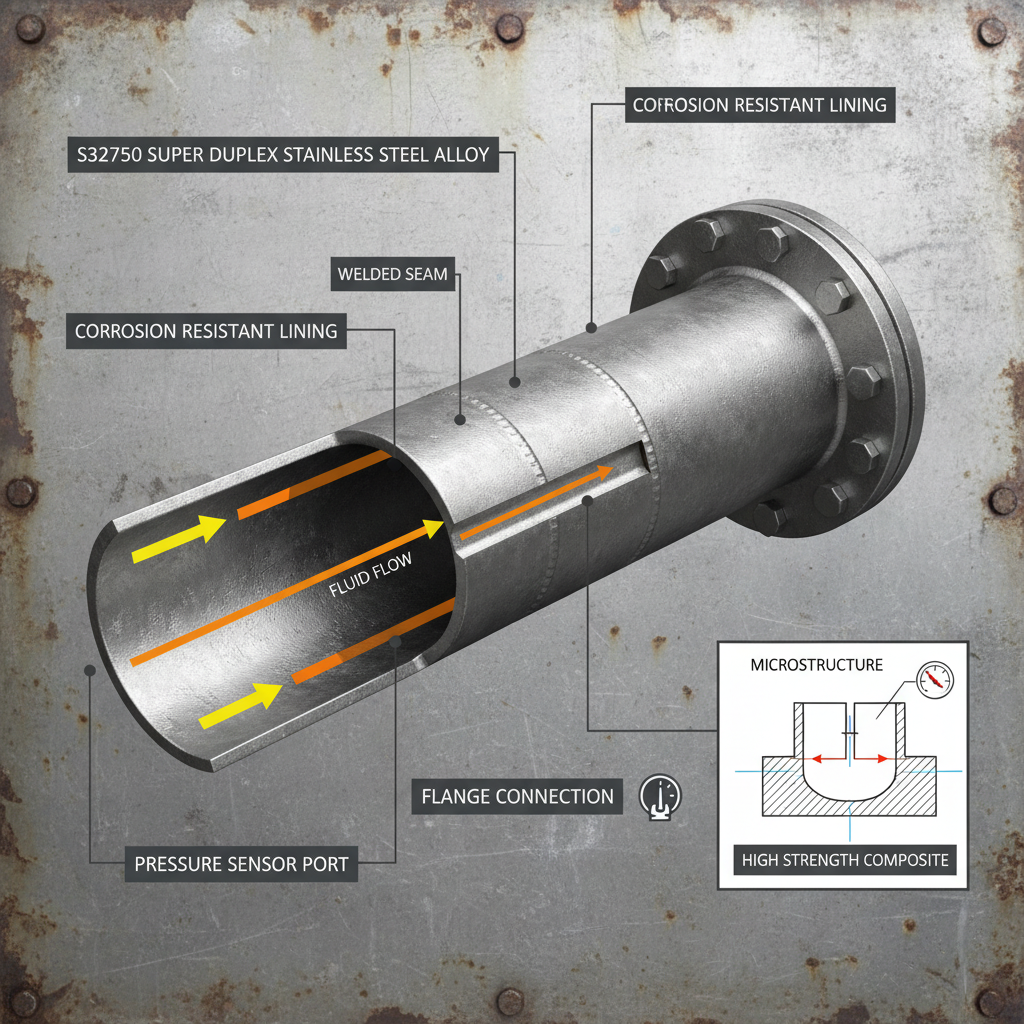
The baseline for equivalence begins here. ASTM A106 Gr B pipes typically have carbon content up to 0.30%, manganese from 0.29 to 1.06%, and small amounts of phosphorus and sulfur. Equivalent standards closely mimic these values, ensuring similar weldability and hardness.
2. Mechanical Properties
Tensile strength, yield strength, and elongation define how the pipe performs under stress. ASTM A106 Gr B usually guarantees minimum yield strength of 35,000 psi and tensile strength between 60,000 to 90,000 psi. The equivalent grades maintain these limits within close tolerances.
3. Dimensional Consistency
Outside diameter, wall thickness, and length tolerances are tightly controlled for compatibility with pipe fittings and systems. Equivalent classes match these specs to ensure seamless integration in pipelines.
4. Service Temperature and Pressure Ratings
These pipes are designed for high-temp environments, often exceeding 427°C (800°F). Equivalents need to handle similar thermal stresses without compromising integrity.
5. Surface Finishes and Testing
Non-destructive testing (NDT) like ultrasonic testing, hydrostatic testing, and visual inspections help verify pipe quality. Other standards align these requirements with ASTM's rigorous procedures.
Mini takeaway:
Understanding these core components makes it easier to identify a proper ASTM A106 Gr B equivalent—and avoid costly mix-ups on the project site.
Global Applications & Use Cases
Industries worldwide lean on ASTM A106 Gr B and its equivalents. For instance:
- Oil & Gas: Long-distance pipelines crossing borders must adhere to equivalent standards to handle high pressures and temperatures safely.
- Power Plants: Steam and water lines need reliable carbon steel pipes that maintain integrity under thermal cycling.
- Chemical Processing Facilities: Corrosive agents demand pipes meeting strict material properties.
- Construction Sector: Heating, ventilation, and air conditioning (HVAC) systems increasingly use such pipes for durability.
Oddly enough, remote industrial zones particularly benefit from using ASTM A106 Gr B equivalents sourced locally, reducing lead times and costs. NGOs working on infrastructure may even specify these equivalents to ensure global uniformity.
Advantages & Long-Term Value
When you buy ASTM A106 Gr B equivalent pipes, you’re not just saving time on sourcing—you get:
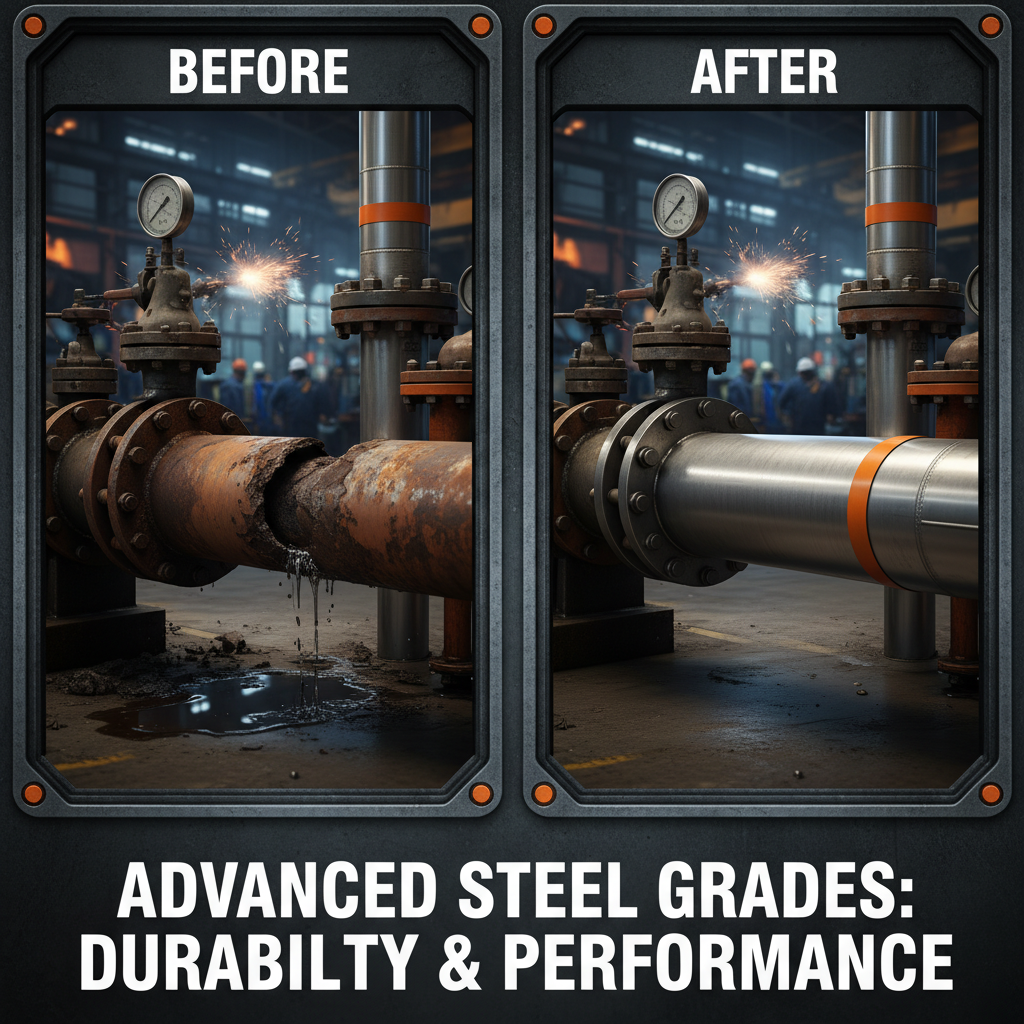
- Enhanced Safety: Proven mechanical properties reduce failure risk in critical systems.
- Cost Efficiency: Using local equivalents lowers custom fees, taxes, and shipping.
- Sustainability: Locally sourced pipes mean fewer emissions from transport.
- Trust & Compliance: Aligning with recognized standards eases regulatory approvals.
From a human perspective, it feels reassuring knowing that infrastructure projects respect these global equivalences — it’s about dignity, safety, and innovation rolled into one.
Future Trends & Innovations in Pipe Standards
The pipe industry is quietly evolving. Trends to watch include:
- Green Steel Initiatives: Lower carbon footprint production methods aligning with ASTM equivalents.
- Smart Pipe Technology: Embedded sensors monitoring pipe health remotely—particularly crucial when dealing with high-stakes ASTM standards.
- Digital Certification: Blockchain-based traceability to verify equivalence authenticity.
- Advanced Alloys: Blends that meet ASTM A106 Gr B strength but improve corrosion resistance over time.
Challenges & Practical Solutions
Despite the promise, difficulties remain. Inconsistent documentation can lead to confusion over true equivalence. Some suppliers use “equivalent” loosely, causing specification mismatches, sometimes resulting in failures or costly delays.
Industry experts recommend rigorous third-party testing and certification. Digital traceability platforms are emerging as a strong solution to establish trust. I suppose it’s just part of the growing pains as globalization presses industry standards closer together.
ASTM A106 Gr B Equivalent: Key Product Specifications
| Specification | ASTM A106 Gr B | EN 10216-2 P235GH | JIS G3454 STPG370 |
|---|---|---|---|
| Carbon Content (%) | Max 0.30% | Max 0.22-0.18% | Max 0.21% |
| Yield Strength (MPa) | ≥ 240 MPa | ≥ 235 MPa | ≥ 270 MPa |
| Tensile Strength (MPa) | 415-550 MPa | 460-590 MPa | 410-550 MPa |
| Operating Temp (Max °C) | 427°C | 450°C | 400°C |
Vendor Comparison: ASTM A106 Gr B Equivalent Suppliers
| Supplier | Range of Equivalents | Testing & Certification | Global Reach | Customer Support |
|---|---|---|---|---|
| SteelWorld Inc. | EN, JIS, API specs | Third-party ISO accredited labs | North America, Europe, Asia | 24/7 technical support |
| Global Pipes Ltd. | Wide ASTM & EN lineup | On-site testing, ISO9001 certified | Worldwide distribution | Dedicated project managers |
| Asia Steel Corp. | Focus on JIS and ASTM | Third-party lab certificates | APAC region | Multilingual support |
Frequently Asked Questions About ASTM A106 Gr B Equivalent
Q1: What is the primary difference between ASTM A106 Gr B and its equivalents?
A1: The main difference lies in chemical composition and mechanical properties dictated by regional standards. Equivalents are matched closely but might feature slight variations in elements like carbon or manganese, impacting performance under certain conditions.
Q2: Can ASTM A106 Gr B equivalents be used interchangeably in oil & gas pipelines?
A2: Generally yes, but it depends on project specifications and regulatory approvals. Verification through detailed testing and certification is crucial to ensure safety and compliance.
Q3: How can I verify if a pipe truly meets ASTM A106 Gr B equivalent standards?
A3: Request third-party test reports, chemical analysis charts, and certification from ISO-accredited labs. Suppliers with digital traceability enhance confidence.
Q4: Are ASTM A106 Gr B equivalents pricier or more cost-effective than original pipes?
A4: Often, equivalents sourced locally can be more cost-effective due to reduced shipping and tariffs. However, ensure you’re not sacrificing quality for price.
Conclusion & Next Steps
Wrap-up: Understanding ASTM A106 Gr B equivalent standards bridges the gap between regional regulations and global projects. It enhances safety, cuts costs, and supports sustainability in an interconnected industrial landscape. As supply chains evolve, knowing your equivalents means fewer surprises and smoother execution.
If you’re sourcing piping materials or want to deepen your knowledge, I encourage you to visit our website: https://www.world-steelmaterial.com. Frankly, it’s a good place to start refining your specification choices.
At the end of the day, ideal pipe selection feels a bit like a craft—one that combines science, experience, and a little intuition.
Mini takeaway:
Matching ASTM A106 Gr B with its true equivalents requires more than just data—building trust through transparency and testing is key to success.
References:
Post time: Dec . 02, 2025 14:52
 English
  Arabic
  Bengali
  China
China  French
  German
  Hausa
Hausa  Indonesian
  Italian
  Japanese
  Javanese
  Malay
Malay  Persian
  Portuguese
  Punjabi
  Russian
  Spanish
  Swahili
  Telugu
  Vietnamese