

Why Alloy 20 tubing Remains a Go-To Choice in Corrosive Environments
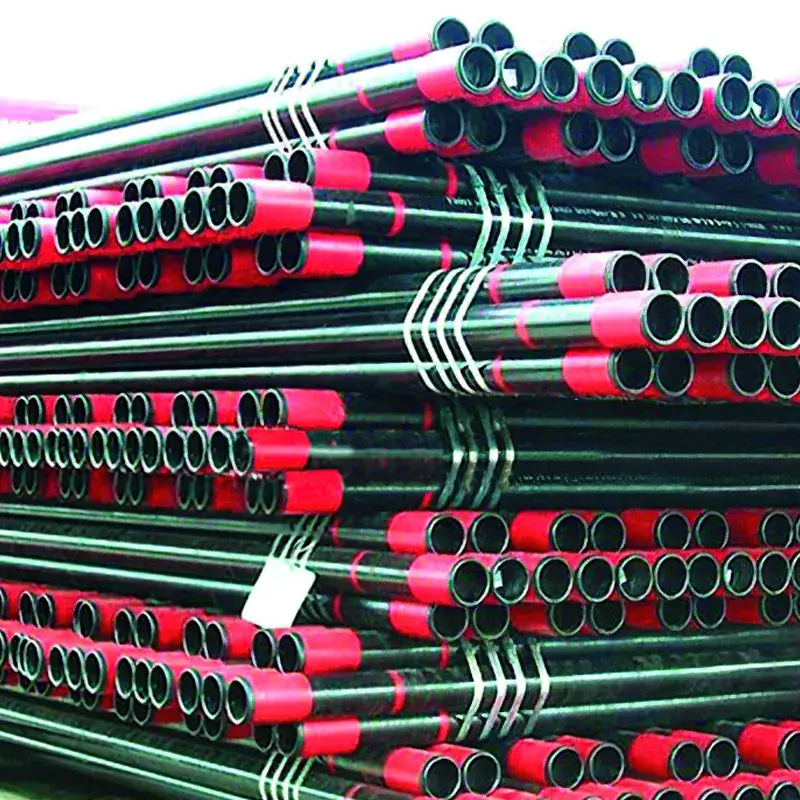
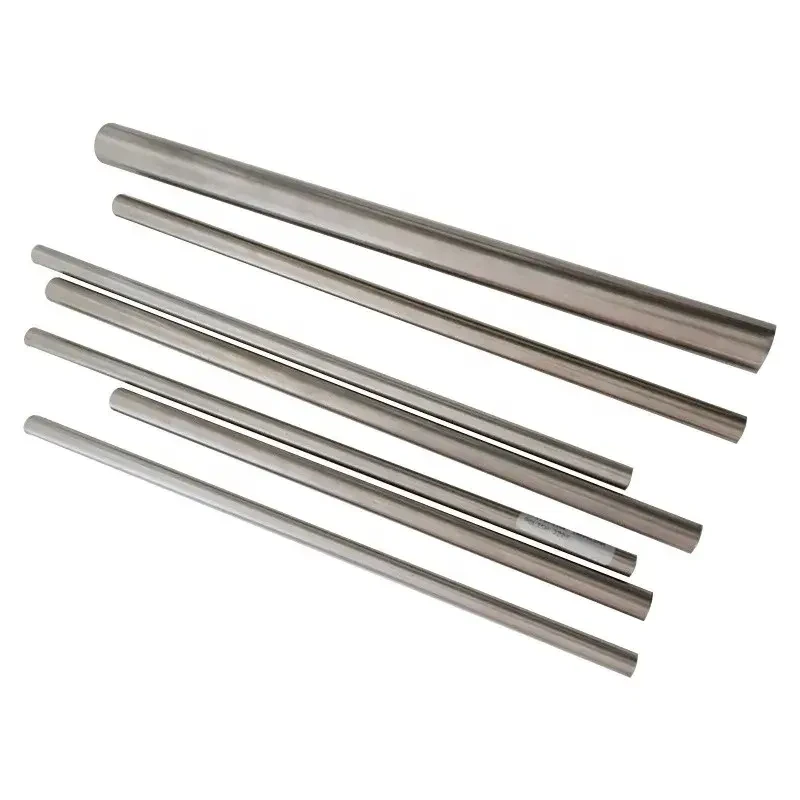
Having spent quite a few years in the industrial equipment sector, I can tell you that choosing the right material for tubing isn’t just about ticking off specs—it’s about understanding the environment, what the tubing will face day in and day out, and how it performs long-term. Alloy 20 tubing, often overlooked outside niche circles, has frankly earned its spot as a dependable contender in corrosive and high-demand applications.
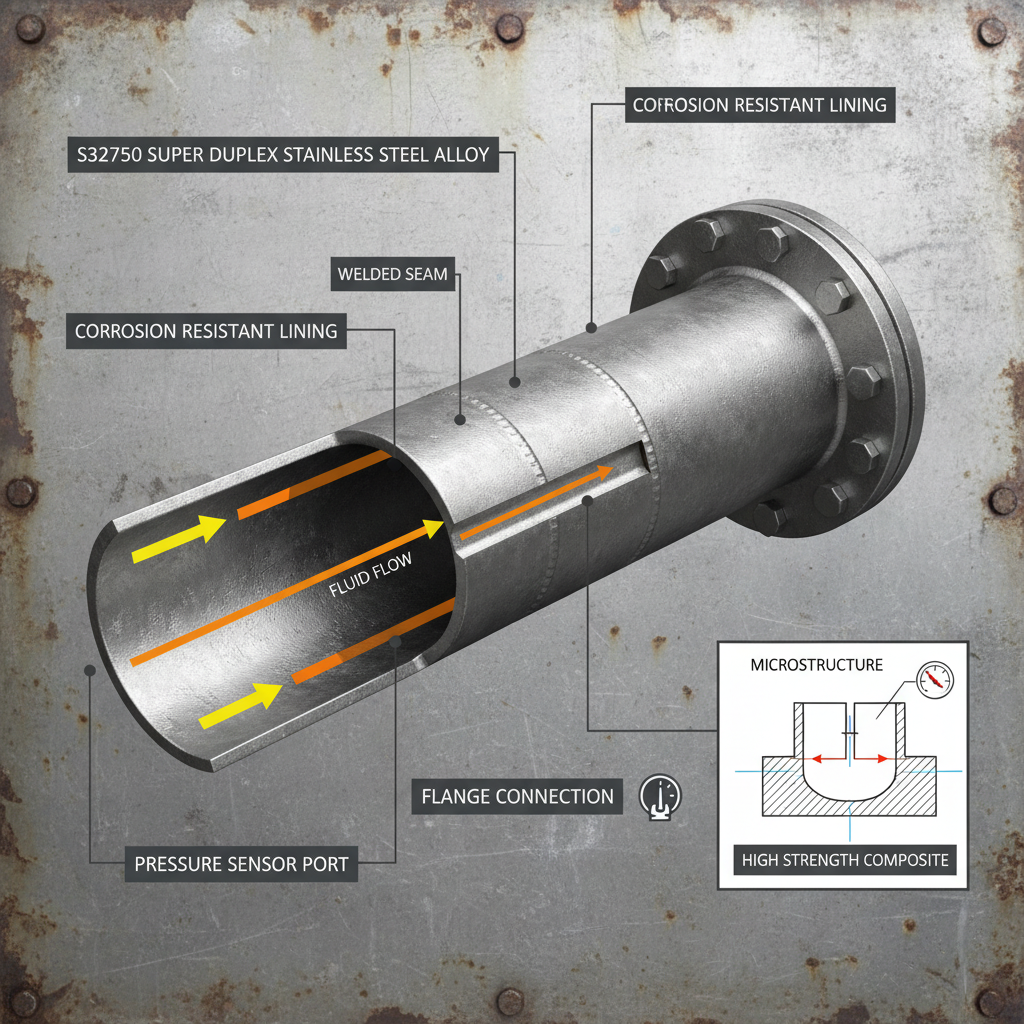
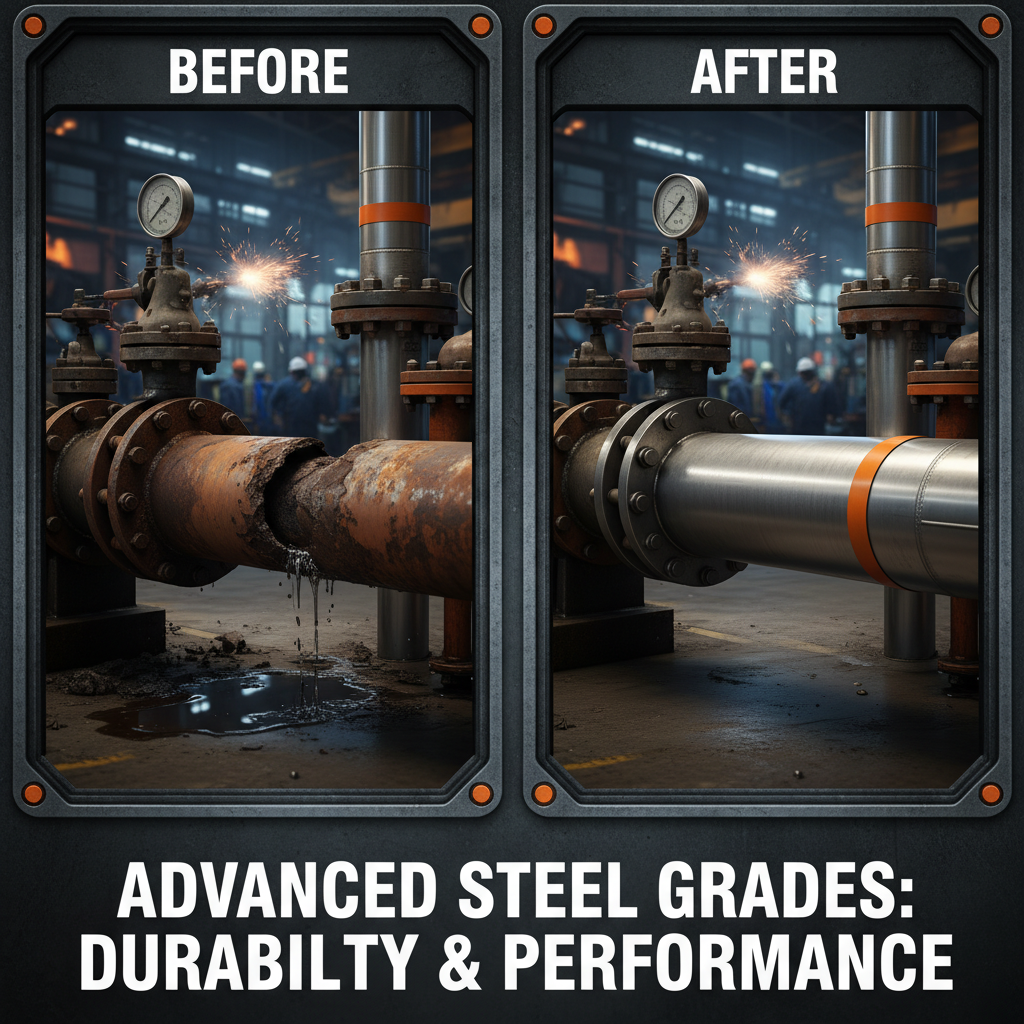
Oddly enough, what sets Alloy 20 apart isn’t just the chemistry or a slick marketing pitch. It’s the balance of nickel, chromium, and molybdenum with a dash of copper, crafted to resist sulfuric acid, stress corrosion cracking, and pitting. I remember working on a refinery upgrade where standard stainless steel tubing kept corroding faster than we anticipated. Switching to Alloy 20 gave the system a noticeably longer uptime.
What Makes Alloy 20 Tubing Special?
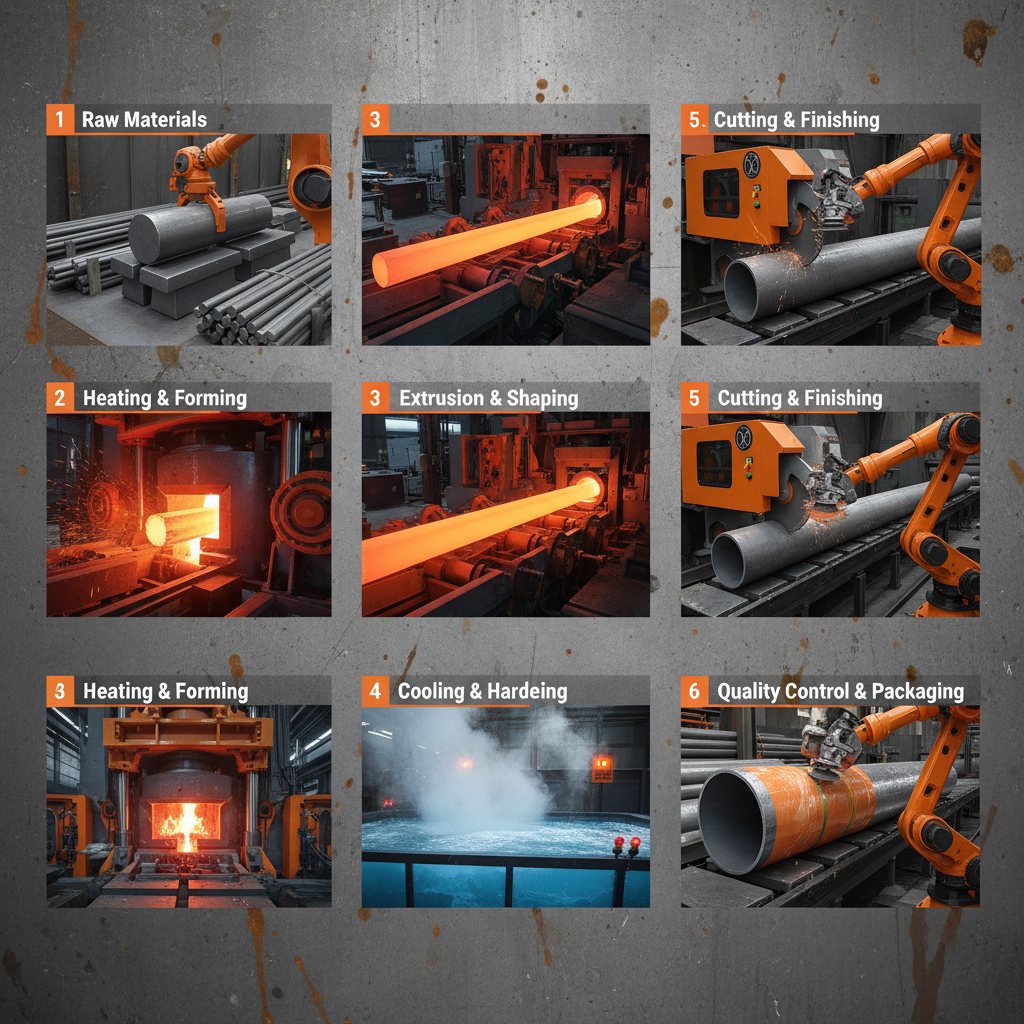
In real terms, the tubing is specially tailored for environments where traditional austenitic stainless steels fall short—especially in sulfuric acid processing plants, pharmaceuticals, and certain chemical operations. It’s also a favorite where hygienic purity matters, given its smooth surface finish achievable during manufacturing.
Many engineers I’ve met laud its weldability and machinability, which frankly simplifies installation and maintenance. The carbide formers don’t cause issues as they might in other high-nickel alloys. Plus, its resistance to intergranular attack means it keeps structural integrity better over extended service periods.
| Specification | Details |
|---|---|
| Composition | Ni 32-38%, Cr 19-21%, Mo 2.5-3.5%, Cu 2.5-3.5% |
| Standard | ASTM B626 / ASME SB626 |
| Grades | Alloy 20Cb-3, 20Nb |
| Typical Applications | Chemical plants, pharma, food processing, pollution control |
| Corrosion Resistance | Excellent against sulfuric acid, general acids, and chloride stress corrosion |
Now, I know some might question if Alloy 20 is just another stainless alloy hype. But frankly, when you're dealing with highly corrosive media, this tubing doesn’t just survive—it thrives. It extends maintenance intervals, reducing downtime, and that’s money saved in the long run.
Comparing the Big Vendors for Alloy 20 Tubing
Of course, not all Alloy 20 tubing is created equal. Over the years, I’ve worked with multiple suppliers, and it’s clear that quality control, material traceability, and service matter just as much as the raw alloy itself. Here's a candid comparison based on my experience and some recent industry feedback:
| Supplier | Material Certification | Delivery Time | Custom Sizes | Technical Support |
|---|---|---|---|---|
| World Steel Material | Full traceable mill certifications | 7-10 days (standard) | Yes, on demand | Excellent and responsive |
| Alloy Tubing Supply Co. | Standard certifications | 10-15 days | Limited custom options | Good but slow replies |
| MetalPipes Inc. | Certificates on request | Varies widely | No | Minimal support |
For what it’s worth, World Steel Material has consistently impressed me with attention to detail and the ability to accommodate project timelines without demanding extra penalties. For engineers and project managers juggling timelines, that’s a big relief.
One little story: I was involved in an emergency replacement project for a pharmaceutical plant where downtime meant lost revenue by the hour. Thanks to quick delivery and high-quality Alloy 20 tubing from World Steel Material, the issue was fixed before packets of escapable stress started piling up.
In short, Alloy 20 tubing is not just a material choice—it's a strategic one in corrosive and challenging environments. If you're like me, leaning toward reliability backed by tested track records, it’s worth keeping this alloy top-of-mind.
Stay safe out there, and remember: good tubing can save you a lot of headaches down the line.
References:
- ASM International Handbook, Volume 2 – Properties and Selection: Nonferrous Alloys and Special-Purpose Materials
- ASTM B626 Standard Specification for Seamless and Welded Alloy 20CB-3 Tubes
- Corrosion Resistance of Alloy 20: Practical Applications and Case Studies, Chemical Engineering Journal, 2021
Post time: Dec . 03, 2025 19:00
 English
  Arabic
  Bengali
  China
China  French
  German
  Hausa
Hausa  Indonesian
  Italian
  Japanese
  Javanese
  Malay
Malay  Persian
  Portuguese
  Punjabi
  Russian
  Spanish
  Swahili
  Telugu
  Vietnamese