

A355 P11: A Workhorse Grade for Industrial Piping
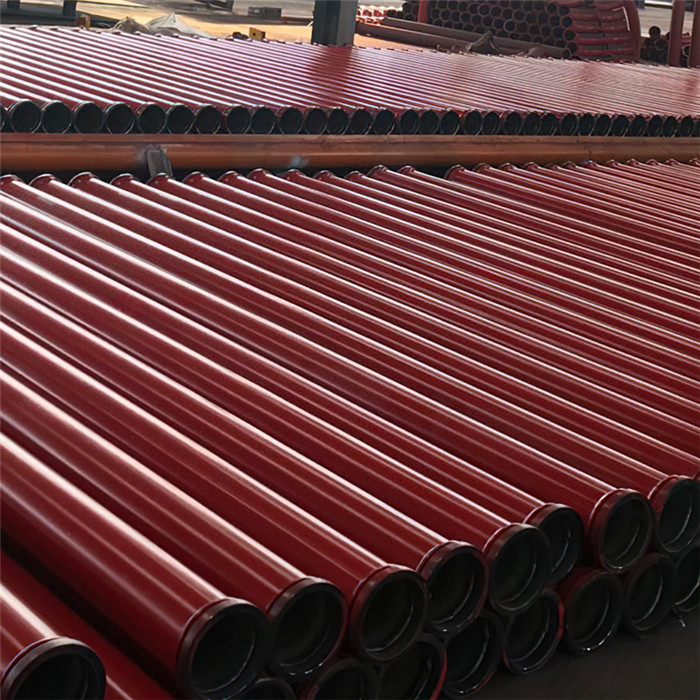
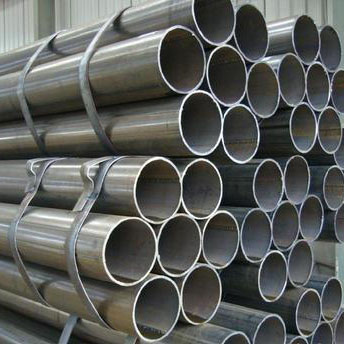
Having spent well over a decade in the industrial equipment sector, I can say that A355 P11 steel grade keeps popping up in conversations with engineers and plant managers alike. It’s one of those materials that quietly does its job beneath the surface — literally. If you’re involved with pressure vessels, high-temperature pipes, or boiler tubes, chances are you’ve crossed paths with this alloy.
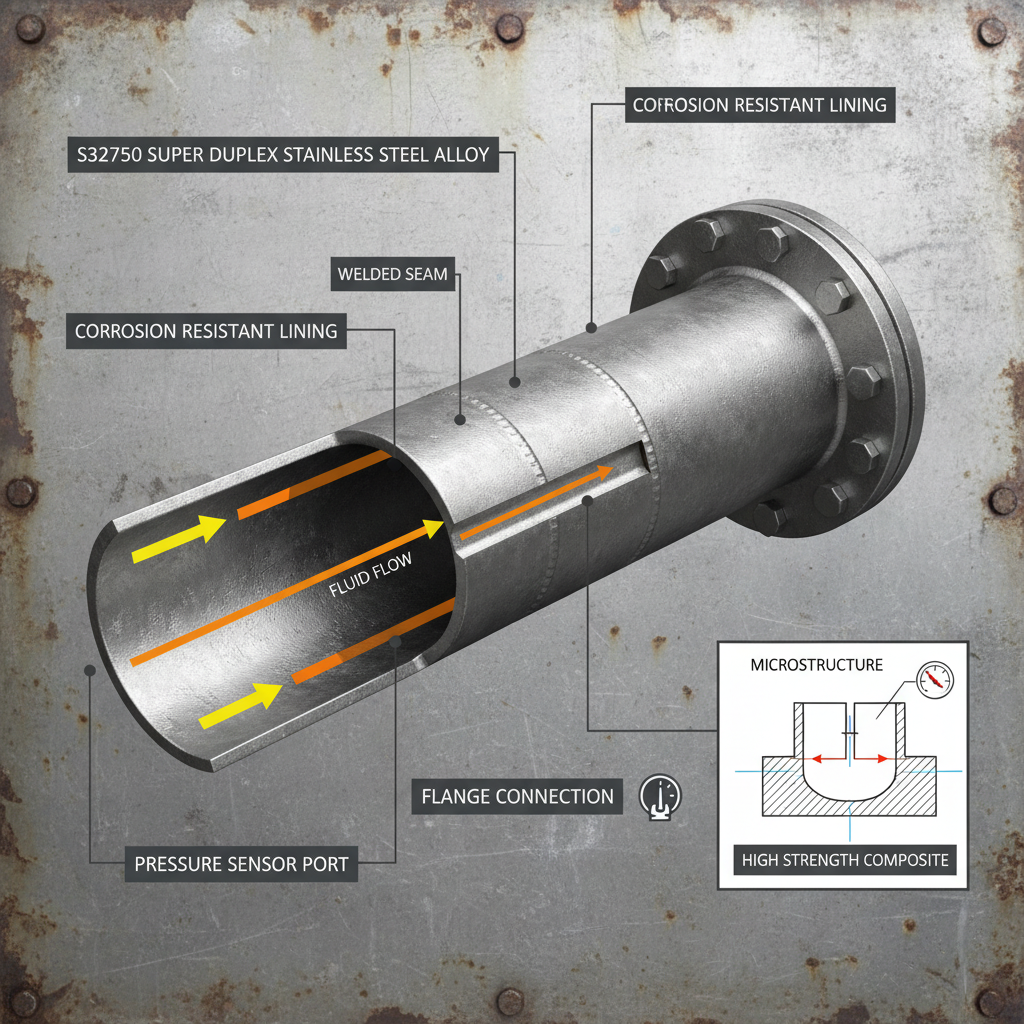
So what makes A355 P11 stand out? At its core, this is a chromium-molybdenum (Cr-Mo) steel composite, designed for enhanced strength and excellent resistance to heat and corrosion. Oddly enough, while many steels get hyped for shiny qualities, A355 P11 is more about reliability and performance over time. It’s the kind of material that, frankly, you don’t question until you see a failure somewhere else.
The P11 designation specifically refers to the grade under ASTM A335, which standardizes seamless ferritic alloy steel pipes suited for high-temperature services. You’ll typically see its use in power plants, chemical plants, and refineries, largely because these environments demand consistency under extreme heat and pressure — and A355 P11 delivers on that promise.
Material Composition and Advantages
The chrome-moly backbone of A355 P11 usually means roughly 1% chromium and 0.5% molybdenum content, balanced with iron and small amounts of carbon and manganese. This composition allows it to maintain tensile strength upwards of 415 MPa and a decent elongation of around 23%, which gives it that useful balance of toughness and flexibility.
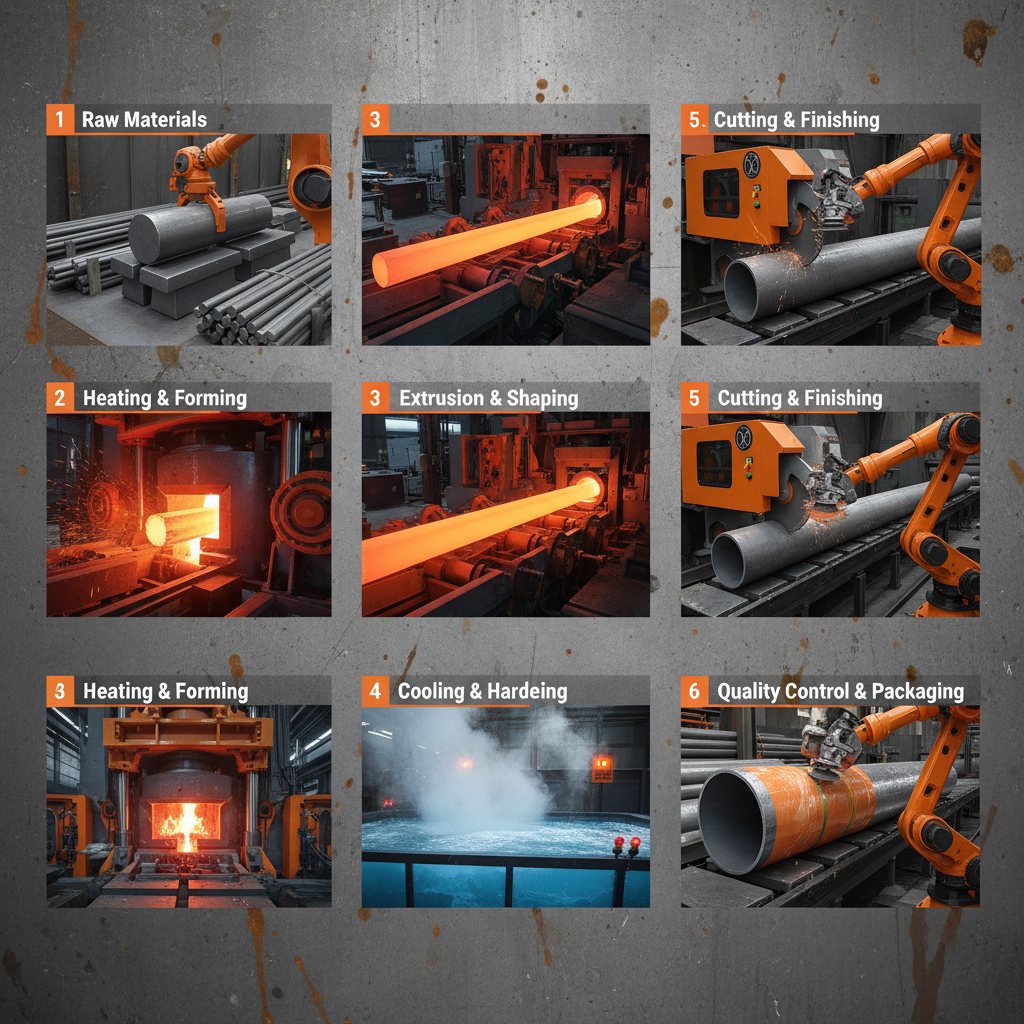
One thing I keep coming back to when talking with engineers is how the heat treatment process impacts this grade. Normalizing plus tempering achieves better grain structures, which improves resilience to thermal fatigue — a sort of test by fire, literally! This makes it apt for piping systems where temperatures can creep above 500°C without losing integrity.
| Property | Typical Value |
|---|---|
| Carbon (C) | 0.05 - 0.15% |
| Chromium (Cr) | 0.9 - 1.2% |
| Molybdenum (Mo) | 0.4 - 0.6% |
| Tensile Strength | 415 MPa (Min.) |
| Yield Strength | 205 MPa (Min.) |
| Elongation (in 2 inches) | 23% (Min.) |
| Max Service Temp. | 590°C |
Vendor Choices: Who Does It Best?
In practical terms, sourcing A355 P11 can be an exercise in balancing quality, cost, and lead times. I’ve talked with several suppliers, and here’s how they stack up in some key areas:
| Vendor | Certification | Lead Time | Price Level | Custom Sizes |
|---|---|---|---|---|
| World Steel Material | ISO 9001, ASTM Certified | 2-3 weeks | Competitive | Yes |
| Global Steels Ltd. | ISO 14001 | 4-5 weeks | Higher | Limited |
| Steel Works Co. | ASTM Certified | 3 weeks | Moderate | No |
Funny enough, I’m partial to vendors who can provide some customization — not everyone understands that in real-world projects, an off-the-shelf size sometimes just won’t cut it. One client I once worked with needed a very specific pipe diameter for a retrofitting job at a power plant, and having a vendor like World Steel Material who could quickly produce that made a world of difference. It saved headaches and avoided costly delays.
Testing and Quality Assurance
When dealing with A355 P11, quality controls like ultrasonic testing (UT), hydrostatic testing, and magnetic particle inspection (MPI) are pretty standard. Many engineers swear by full traceability certificates to back up the process. It feels good knowing you’ve got paperwork that says the material has passed every necessary standard check — especially when you’re dealing with safety-sensitive applications.
One thing to keep in mind: the surface finish and weldability can be affected by minor variations in chemical composition. Proper heat treatment is critical, meaning buyers should press their suppliers about these process controls. I’m not exaggerating when I say that small things can make a long-term difference in pipeline longevity.
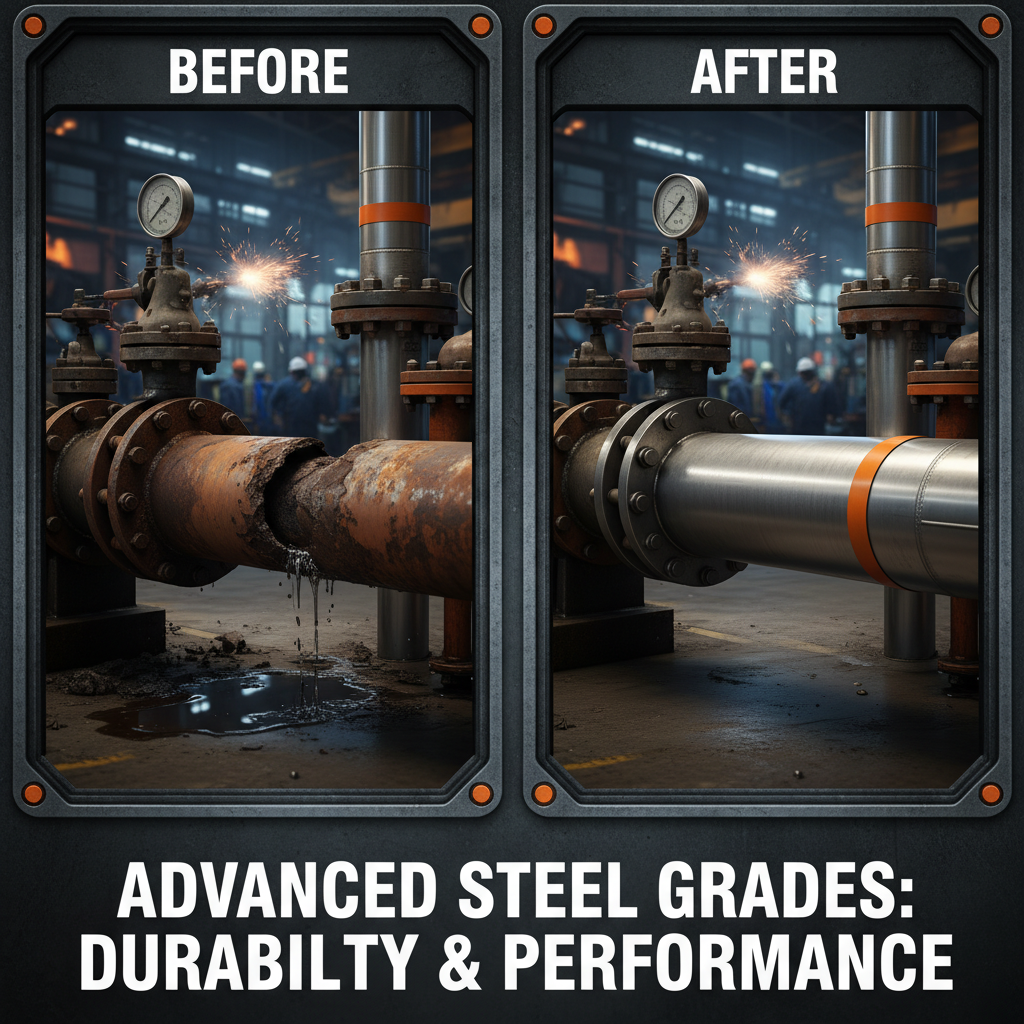
In the end, A355 P11 remains a dependable choice for many industrial piping projects. Its balance of strength, temperature resistance, and cost-effectiveness keeps it relevant even as newer alloys trickle in. You know, some things just don’t need to keep reinventing themselves to stay in the game.
Takeaway? If you’re after a seasoned, proven material for your high-temp piping needs, A355 P11 deserves serious consideration — it’s the kind of steel that quietly supports some of the most critical industrial infrastructure out there.
References:
1. ASTM A335/A335M – Standard Specification for Seamless Ferritic Alloy-Steel Pipe for High-Temperature Service.
2. “Chromium-Molybdenum Steel Piping,” Materials Performance Journal.
3. World Steel Material official technical datasheets.
Post time: Jan . 06, 2026 00:45
 English
  Arabic
  Bengali
  China
China  French
  German
  Hausa
Hausa  Indonesian
  Italian
  Japanese
  Javanese
  Malay
Malay  Persian
  Portuguese
  Punjabi
  Russian
  Spanish
  Swahili
  Telugu
  Vietnamese