

Understanding a335p91: An Insider’s Take from Industrial Steel
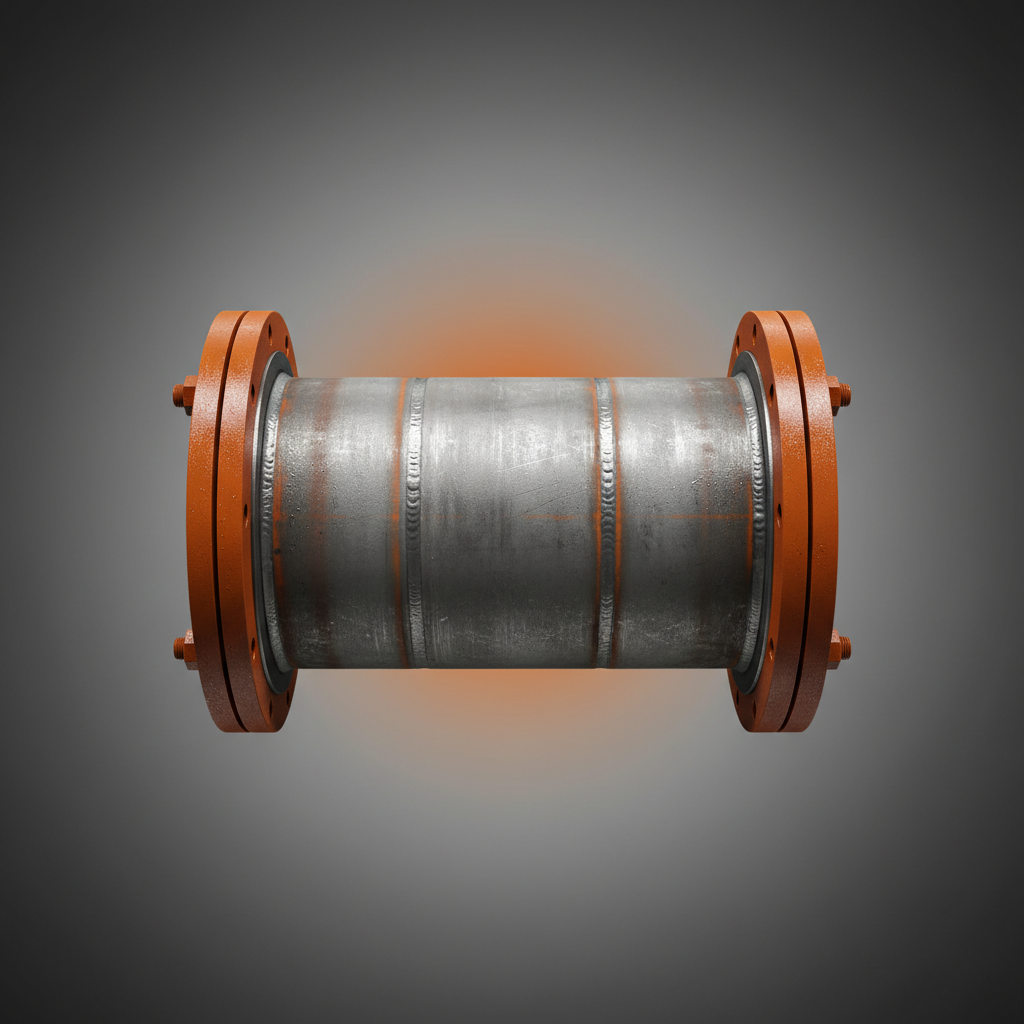
Oddly enough, it’s rare to find someone outside the steel industry who really knows the ins and outs of a335p91. But having worked in the industrial equipment sector for years, I can tell you this grade of alloy steel pipe is more than just a label — it’s a backbone in many high-temperature and pressure applications. If you’re into plant design, power generation, or chemical processing, you'll likely cross paths with it.
So what makes a335p91 stand out? Primarily, it’s the Chromium-Molybdenum-Vanadium (Cr-Mo-V) composition. This combination gives the material stellar creep resistance, which basically means it won’t deform under heat and stress as quickly as others might. Frankly, that’s a dealbreaker in power plant boilers or superheater tubes where temperatures regularly exceed 600°C.
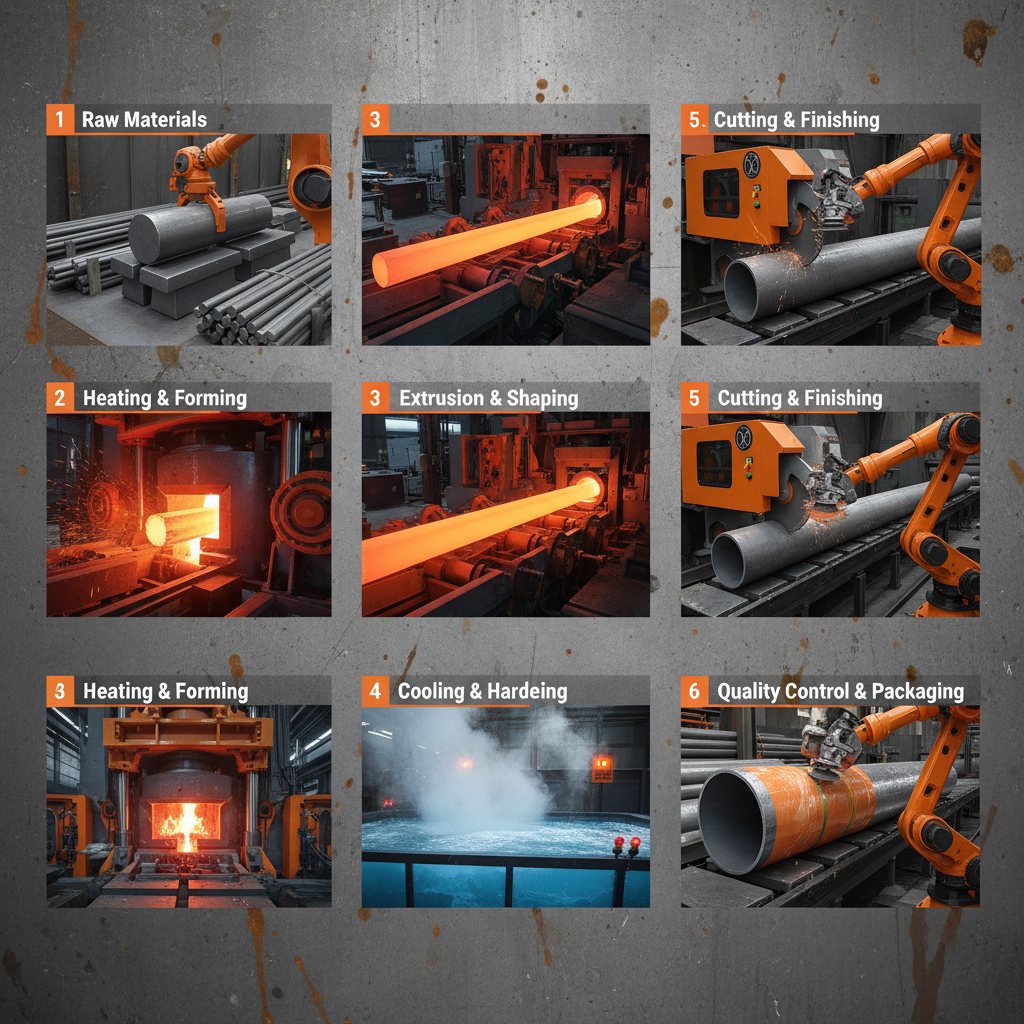
We often talk about carbon steels like they’re the main players, but a335p91 has a unique microstructure due to its tempered martensite after heat treatment, contributing to its toughness and resistance to thermal fatigue. One engineer I worked with once said, “It’s like the marathon runner among steels — doesn’t get tired easily.” I’ve seen that toughness firsthand in inspection reports where older piping of other grades showed signs of embrittlement while a335p91 components held steady.
Now, let’s get a little technical but not too dry. Here’s a quick glance at typical specs for this alloy steel pipe:
| Property | Value | Unit |
|---|---|---|
| Carbon Content | 0.08-0.12 | % |
| Chromium | 8-9 | % |
| Molybdenum | 0.85-1.05 | % |
| Tensile Strength (min) | 585 | MPa |
| Yield Strength (min) | 415 | MPa |
| Operating Temp (max) | 600 | °C |
Of course, not every supplier’s a335p91 is cut from the same bolt of cloth. I once spent a few hours comparing vendors, and let me tell you — the details matter. Some focus more on heat treatment consistency, others on precise chemical composition, and a few offer customization that can have a real impact on service life.
| Vendor | Heat Treatment Quality | Certification | Customization Options | Typical Lead Time |
|---|---|---|---|---|
| SteelWorks Inc. | High precision | ISO 9001, PED | Wall thickness & length | 4-6 weeks |
| AlloyForge Ltd. | Good | ASME, TUV | Heat treatment cycles | 3-5 weeks |
| PrimeMetals Co. | Standard | ISO 14001 | Standard sizes only | 2-4 weeks |
I suppose what really stands out is how a335p91 pipes blend strength, longevity, and heat resistance in a way that many other alloys struggle to do. Sure, from a purchasing perspective, cost matters — but over time, paying a little more for quality steel that won’t fail unexpectedly just makes sense. A friend who runs a thermal power plant once told me how switching to a335p91 pipes reduced their maintenance shutdowns by nearly 20%. That’s not just a statistic; it’s operational peace of mind.
As always, thorough testing and certification are non-negotiable. The industry isn’t kind to shortcuts, and it’s no wonder so many engineers swear by suppliers that rigorously comply with ASTM A335 standards and offer traceability documentation. You know, because at the end of the day, you can never be too careful when your steel holds back steam and heat under high pressure.
If you’re thinking about upgrading or specifying piping for high-temperature applications, I invite you to take a closer look at a335p91. It may well become your next trusted material.
In real terms, you get what you pay for — and with a335p91, that means long-lasting, reliable, and safe steel solutions.
References:
1. ASTM International - A335 Standard Specification for Alloy Steel Piping
2. Heat Treatment and Mechanical Properties of Modified 9Cr-1Mo Steel, Journal of Materials Engineering
3. Industry Case Studies on Power Plant Piping Materials, Energy Materials Journal
Post time: Jan . 05, 2026 10:20
 English
  Arabic
  Bengali
  China
China  French
  German
  Hausa
Hausa  Indonesian
  Italian
  Japanese
  Javanese
  Malay
Malay  Persian
  Portuguese
  Punjabi
  Russian
  Spanish
  Swahili
  Telugu
  Vietnamese