

A335 P22 Pipe: A Veteran’s Take on an Industrial Staple
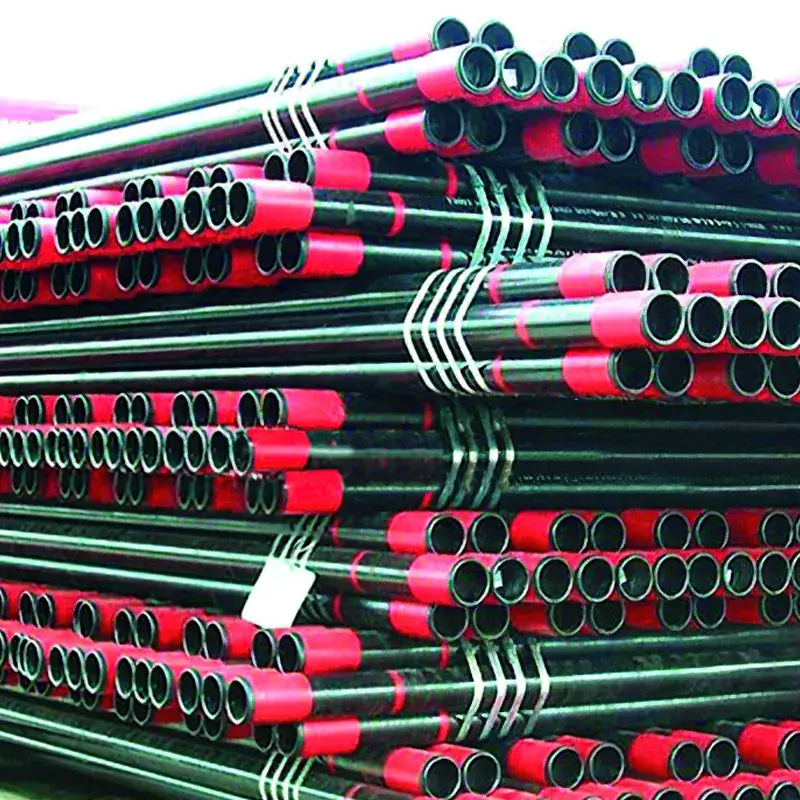
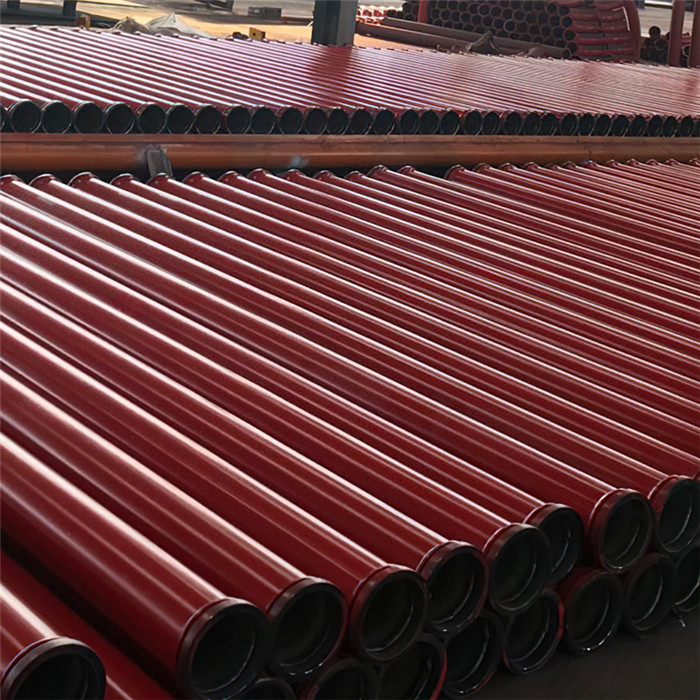
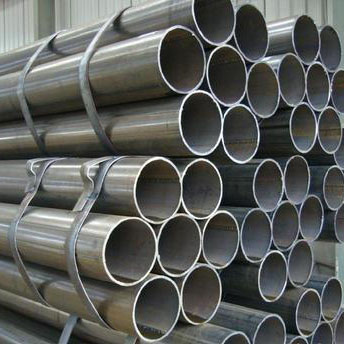
Having spent well over a decade in the industrial equipment trenches, I’ve seen my share of steel pipes come and go. Yet, the A335 P22 pipe continues to maintain its position as one of the go-to materials for high-temperature service in power plants, refineries, and chemical facilities. Honestly, it’s the kind of pipe that seems to quietly carry the weight of a whole project with steadfast confidence, rarely stealing the spotlight but endlessly reliable.
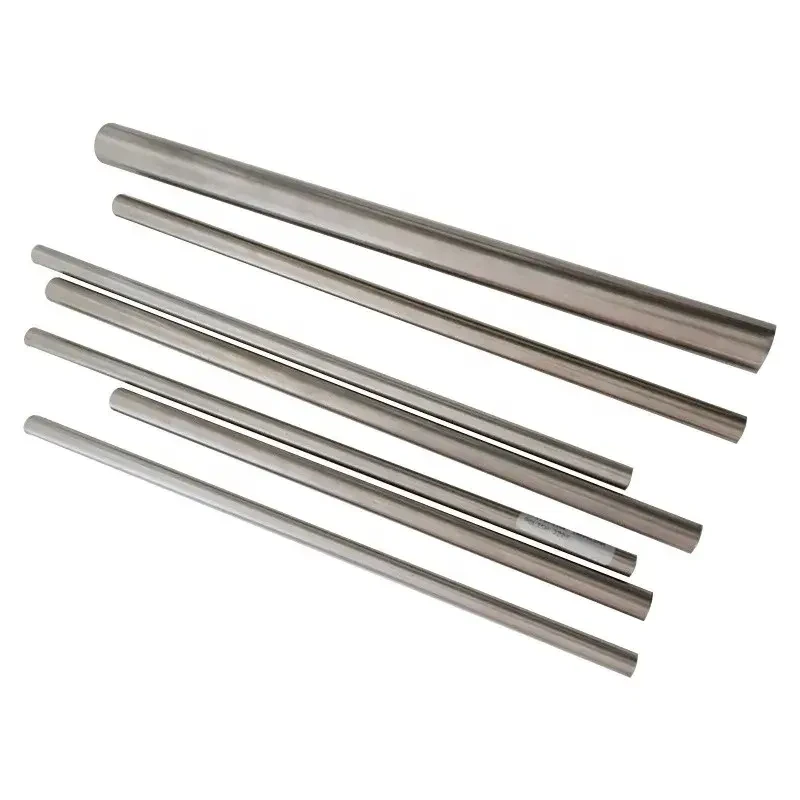
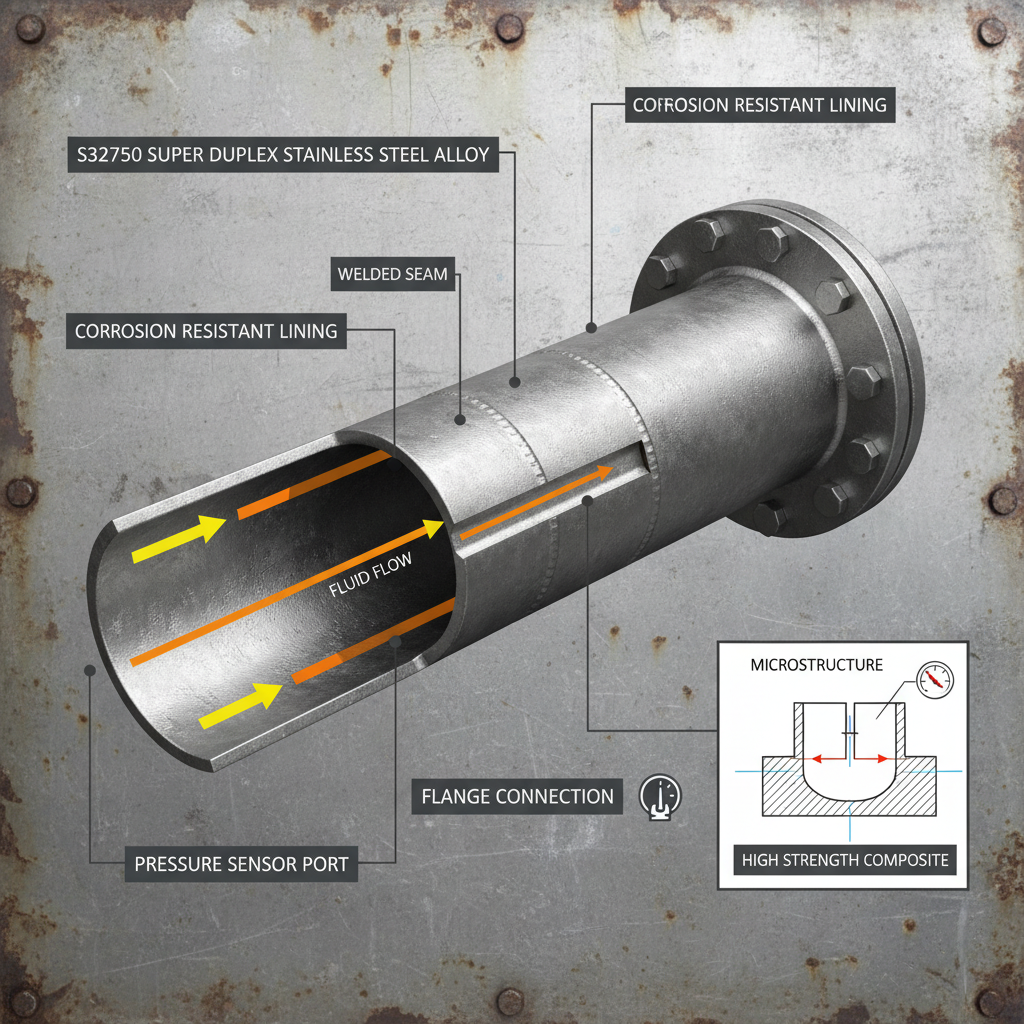
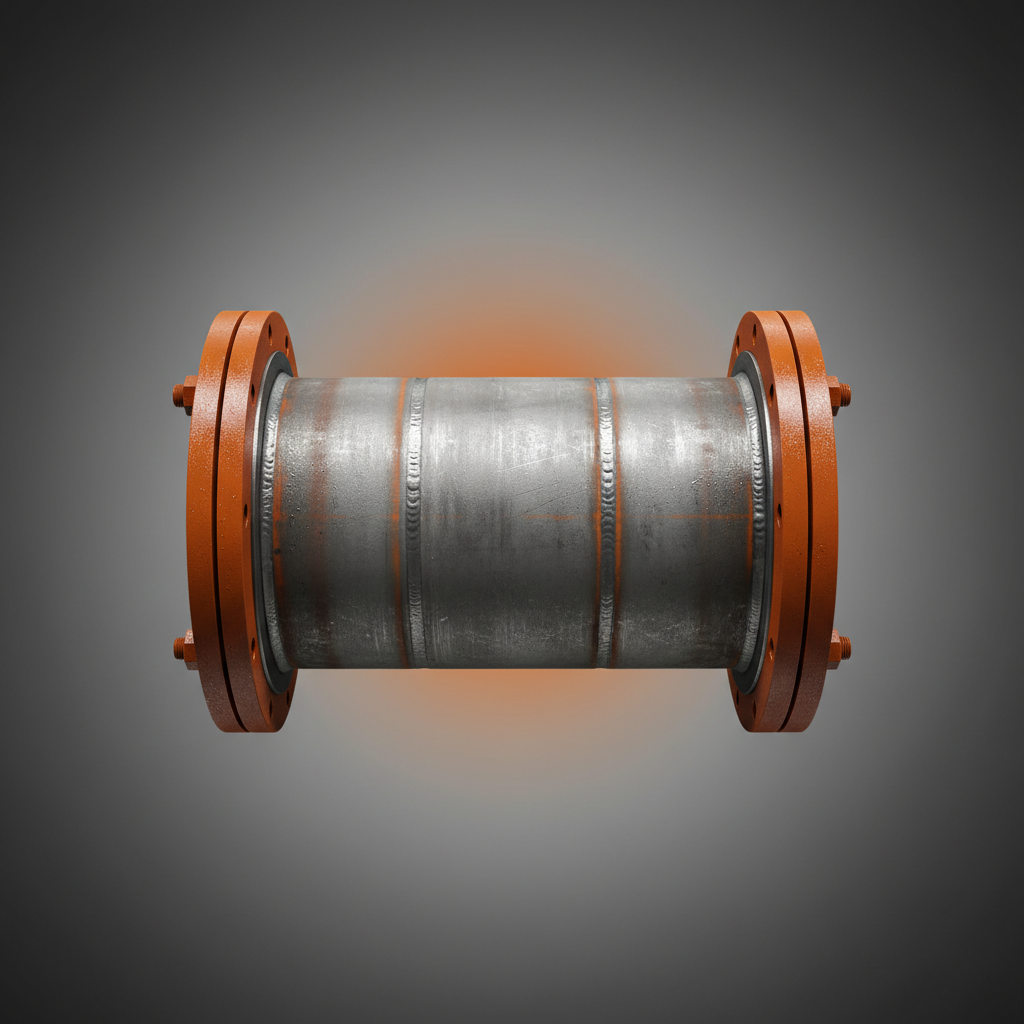
If you’re navigating specs or vendor quotes, it helps to understand why this material is favored — and where it might have its limits. The P22, part of the ASTM A335 standard, is a seamless ferritic alloy steel pipe designed to handle elevated temperature environments, typically in the range of 400°C to 600°C (about 750°F to 1100°F). It’s essentially a chrome-moly combo, with chromium and molybdenum as the key alloying elements that grant it enhanced strength and corrosion resistance at heat. Many engineers and fabricators tend to appreciate how it balances toughness without becoming overly brittle, a critical property when operating in demanding thermal cycles.
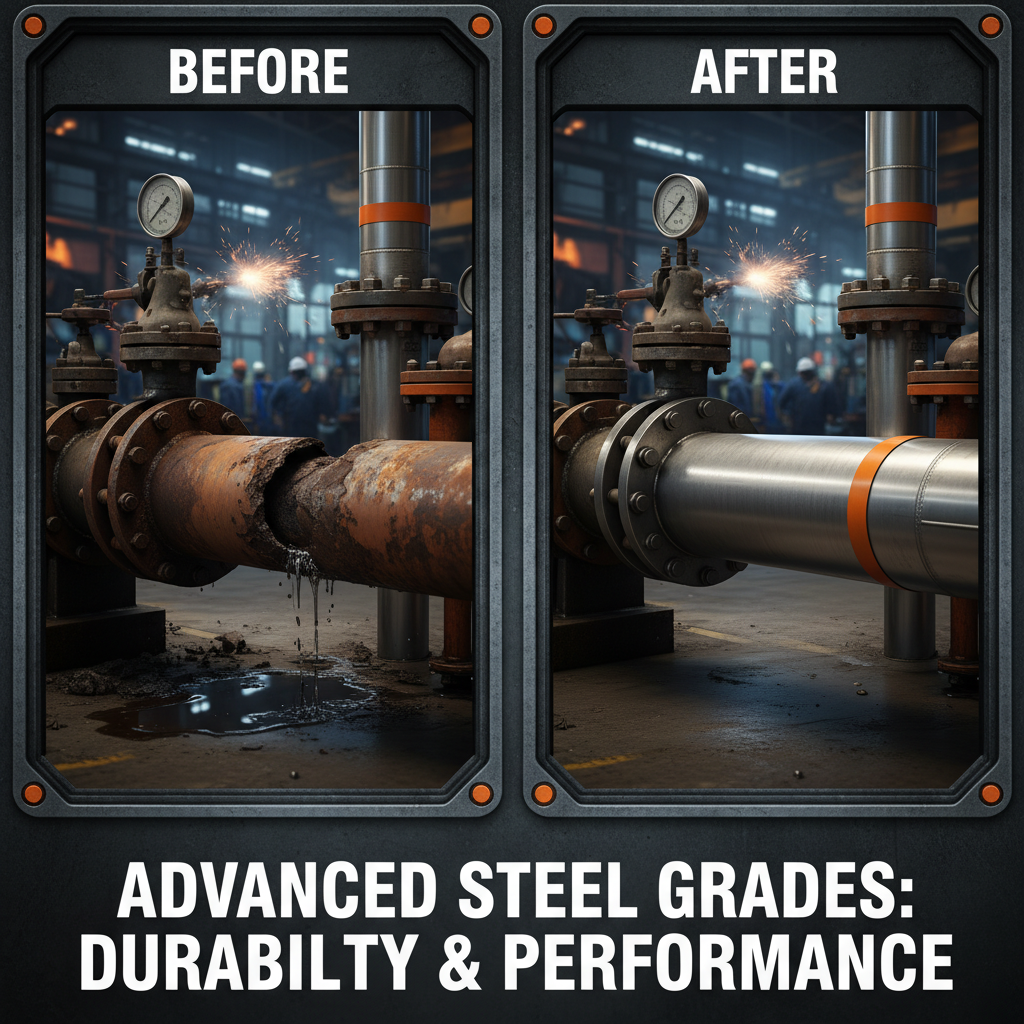
Oddly enough, it’s not just about heat resistance here. The A335 P22 pipe also fares well against thermal fatigue and creep — those slow, creeping deformations that sneak up on materials under constant high temperatures and stress. I remember one project where a client ran their boiler feed lines with P22, and after years of solid use, they reported minimal downtime and no major weld failures — a testament to the pipe’s metallurgy and finishing process.
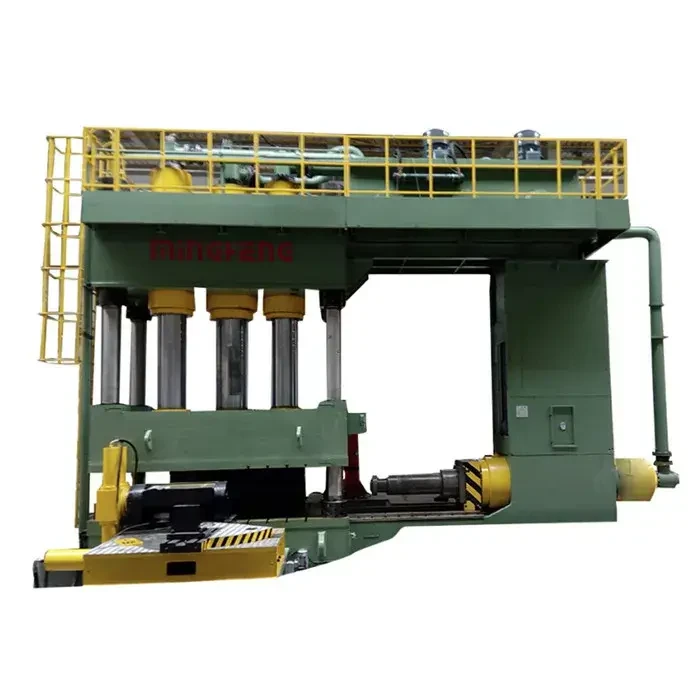
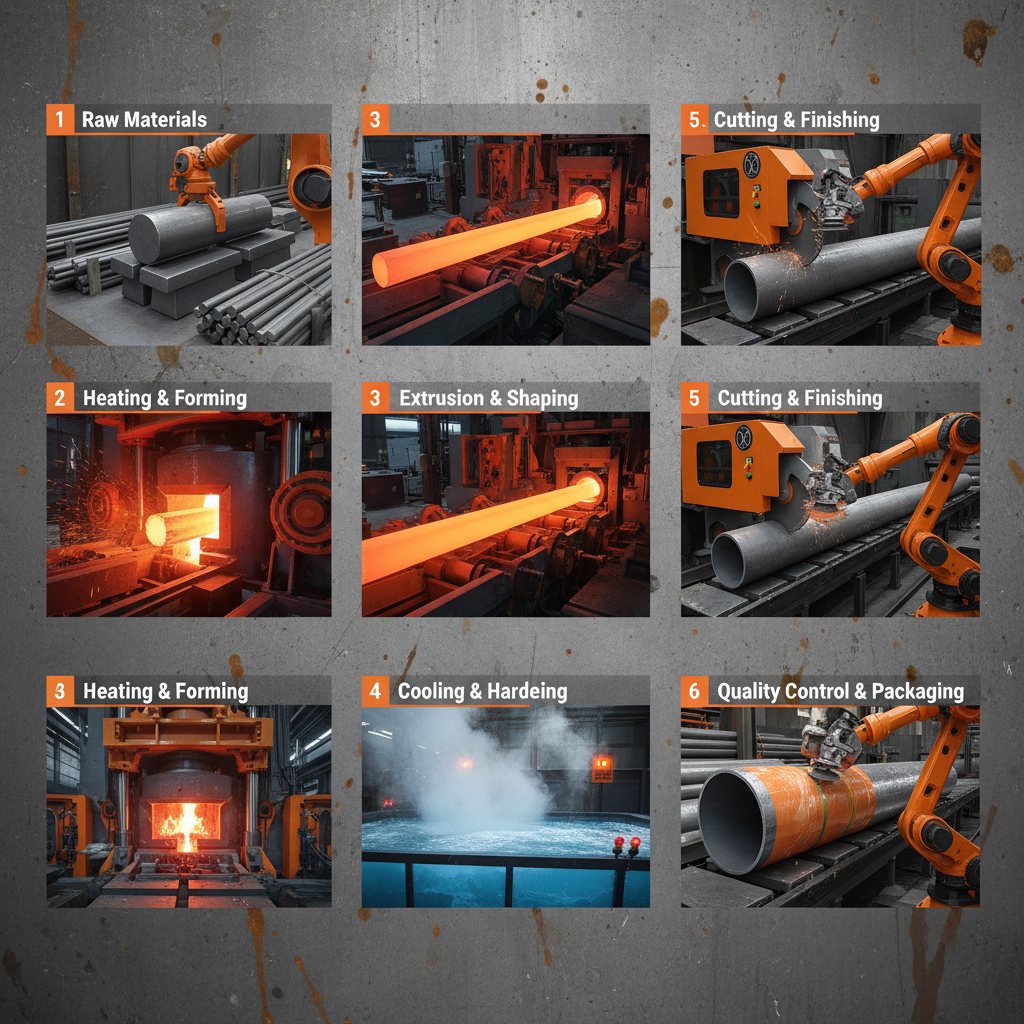
Of course, not every P22 pipe is baked from the same mold. Depending on the manufacturer, the heat treatment process especially can vary, affecting grain size and toughness. In general, compliance with ASTM A335 Grade P22 means cold-forming in a controlled environment with stringent heat treatment to safeguard the pipe's microstructure. The pipes often undergo hydrostatic testing, ultrasonic inspections, and sometimes even hardness tests to verify quality before shipping out.
| Property | Value / Range |
|---|---|
| Chemical Composition | C 0.05-0.15% | Cr 1.90-2.60% | Mo 0.85-1.05% |
| Tensile Strength | 415-585 MPa (60-85 ksi) |
| Yield Strength | 205 MPa minimum (30 ksi minimum) |
| Temperature Range | -29°C to 610°C (-20°F to 1130°F) |
| Standard Dimensions | Outside Diameter: 12.7 mm to 711 mm (0.5" to 28") |
| Typical Wall Thickness | Schedule 20 to Schedule 160 |
Now, when it comes to sourcing your A335 P22 pipe, you’ll quickly notice the market isn’t short on options—but not all producers are created equal. I’ve worked with suppliers that deliver impeccable quality, while others? Well, let’s just say the inconsistency on heat treatment or dimensional accuracy made life unnecessarily stressful.
| Vendor | Material Certification | Lead Time | Price Competitiveness | Customer Reports |
|---|---|---|---|---|
| World Steel Material | ASTM A335 + EN 10216-2 certified | 2-4 weeks | Competitive, volume discounts | Consistently positive; low defect rates |
| SteelWorks Inc. | ASTM certified, limited EN compliance | 3-5 weeks | Mid-range | Mixed reviews; occasional delays |
| PipeMasters | Basic ASTM only | 1-2 weeks | Lower price, limited custom options | Fast delivery, quality varies |
One memorable instance was when a customer desperately needed a custom wall thickness variant for a high-pressure steam line. After trying multiple suppliers, it was only with World Steel Material that the specs were met without an exorbitant wait – impressive, right? Given the critical nature of pressure piping, that level of customization paired with reassurance on documentation always eases the back-and-forth in engineering meetings.
To round things out, remember that while A335 P22 pipe is pretty robust, it’s no magic bullet. Material selection always comes down to your specific temperature, pressure, and corrosion conditions. Still, you won’t go wrong leaning on a trusted grade like P22 when it’s about balancing performance and cost in mid-range elevated temperature applications. It feels like a reliable friend you can fall back on, especially if you’re juggling tight timelines and budgets.
In real terms: it’s just a good pipe, tried and tested by many. If you want to explore more, you could do worse than visiting World Steel Material — they sure know their pipes.
References:
1. ASTM International, Standard Specification for Seamless Ferritic Alloy-Steel Pipe for High-Temperature Service
2. World Steel Material product datasheets and technical guidance
3. Industry case studies on chrome-molybdenum pipes in thermal power plants
Post time: Jan . 04, 2026 04:20
 English
  Arabic
  Bengali
  China
China  French
  German
  Hausa
Hausa  Indonesian
  Italian
  Japanese
  Javanese
  Malay
Malay  Persian
  Portuguese
  Punjabi
  Russian
  Spanish
  Swahili
  Telugu
  Vietnamese