

Understanding A213 T91: The Go-To Alloy for Power Plant Applications
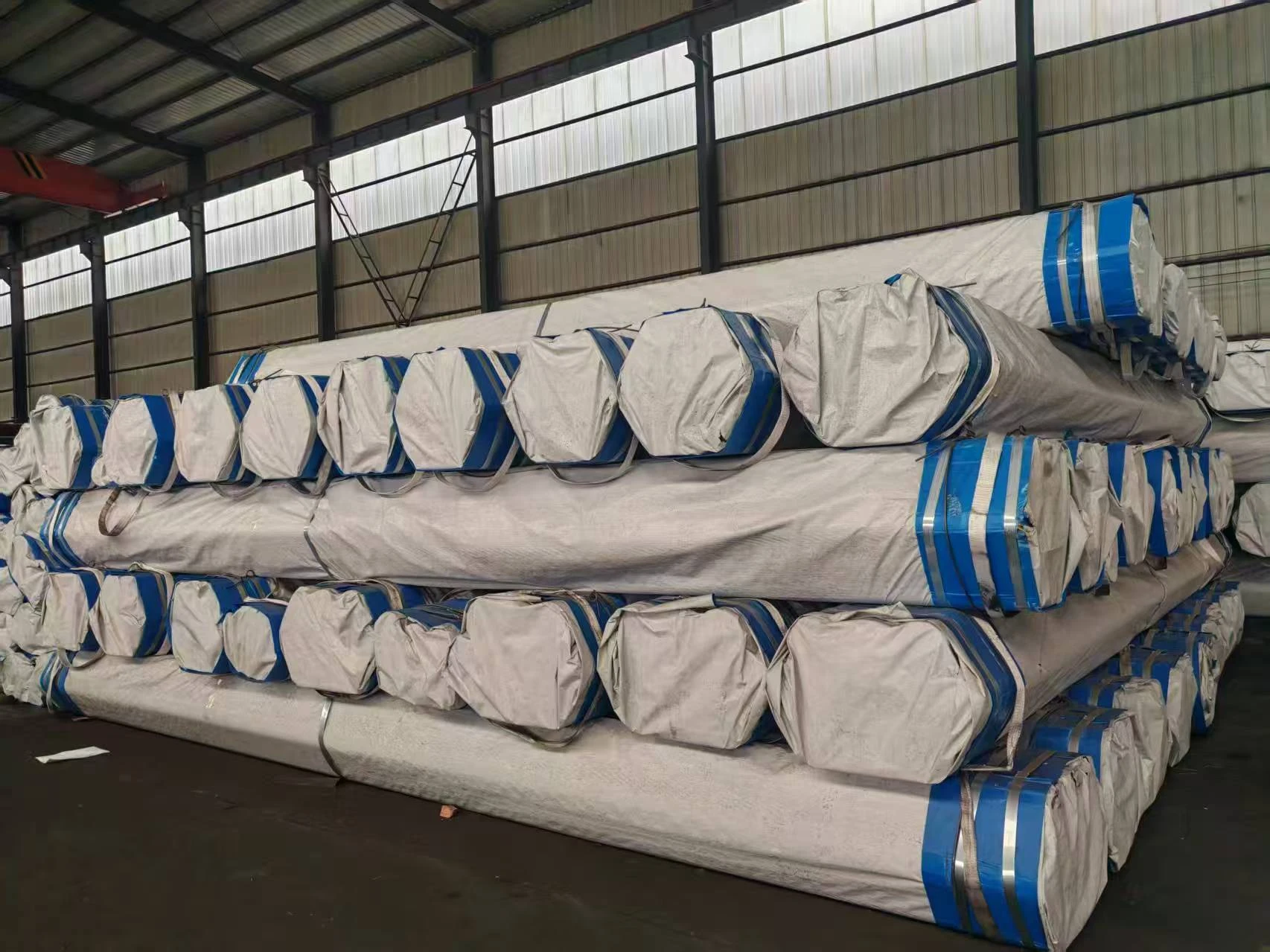
Having spent a good chunk of my career around boilers and power plants, I can tell you that few materials strike the right balance quite like A213 T91 steel. It's sort of a workhorse in high-temperature, high-pressure environments, and it’s fascinating how much engineering thought went into specifying and standardizing this grade.
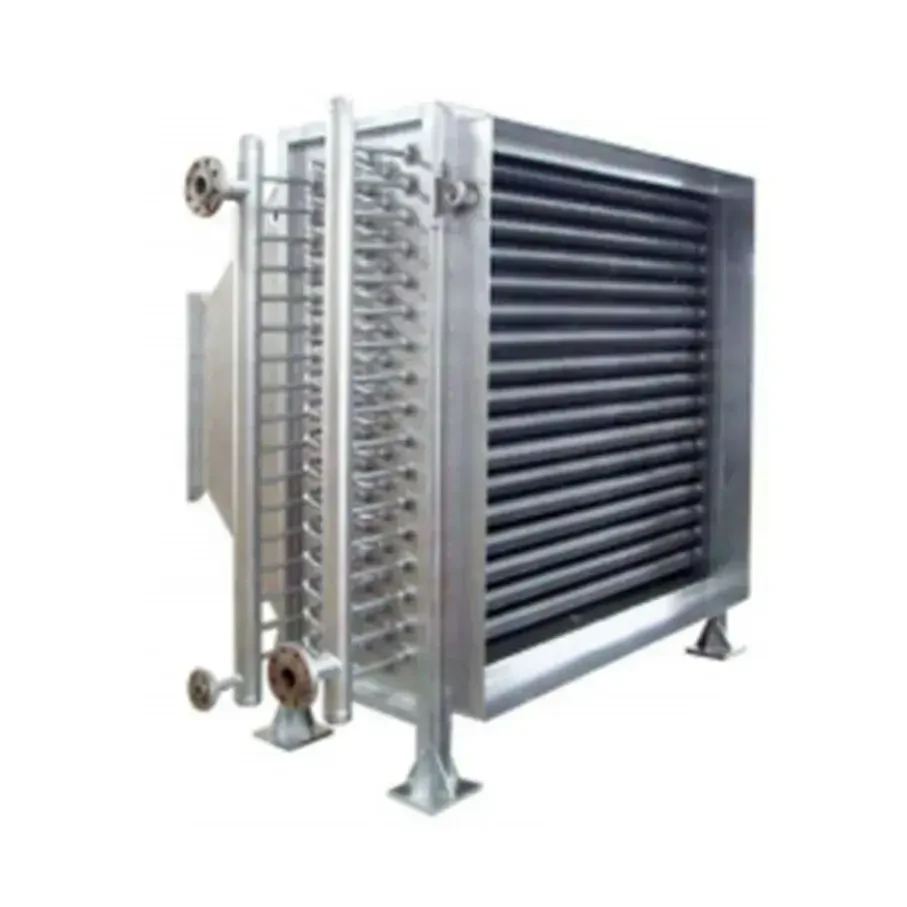
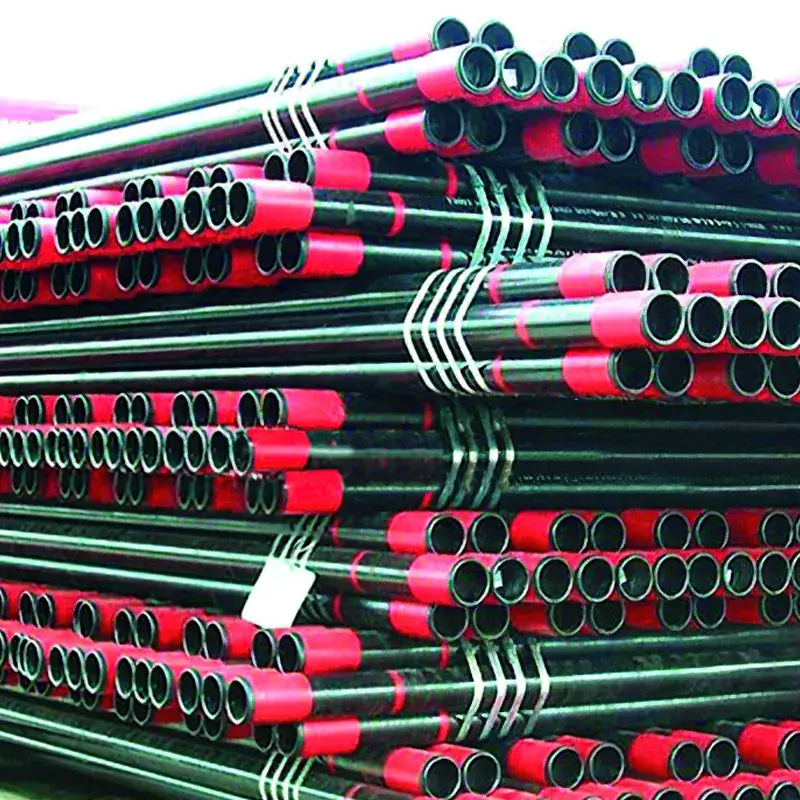
Oddly enough, it’s a steel you don’t often hear about outside industrial circles but is absolutely crucial inside. If you’re dealing with boiler tubes, heat exchangers, or any components exposed to thermal cycling and creep stresses, T91 – known as a modified 9Cr-1Mo steel – is probably a part of your story.
What Makes A213 T91 Special?
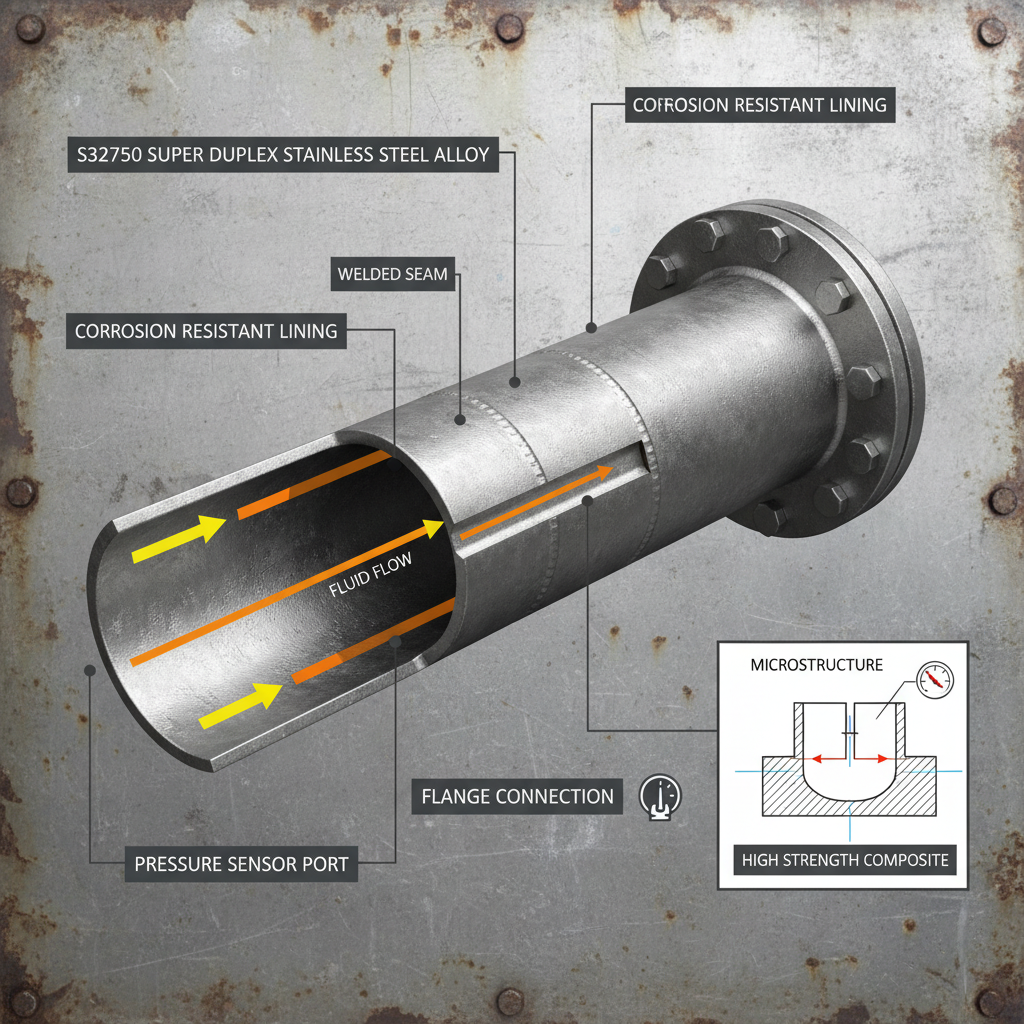
First off, let's talk chemistry. T91 is a chromium-molybdenum alloy, designed to withstand temperatures up to about 600°C (roughly 1112°F) and pressures common in power generation. It’s a martensitic steel, which means it undergoes a specific heat treatment to achieve high strength and creep resistance – something you definitely want when metals are pushed to their limits.
The 9% chromium gives corrosion resistance, while the molybdenum bump boosts creep rupture strength. Plus, small additions of vanadium and niobium help with grain stability under thermal stress.
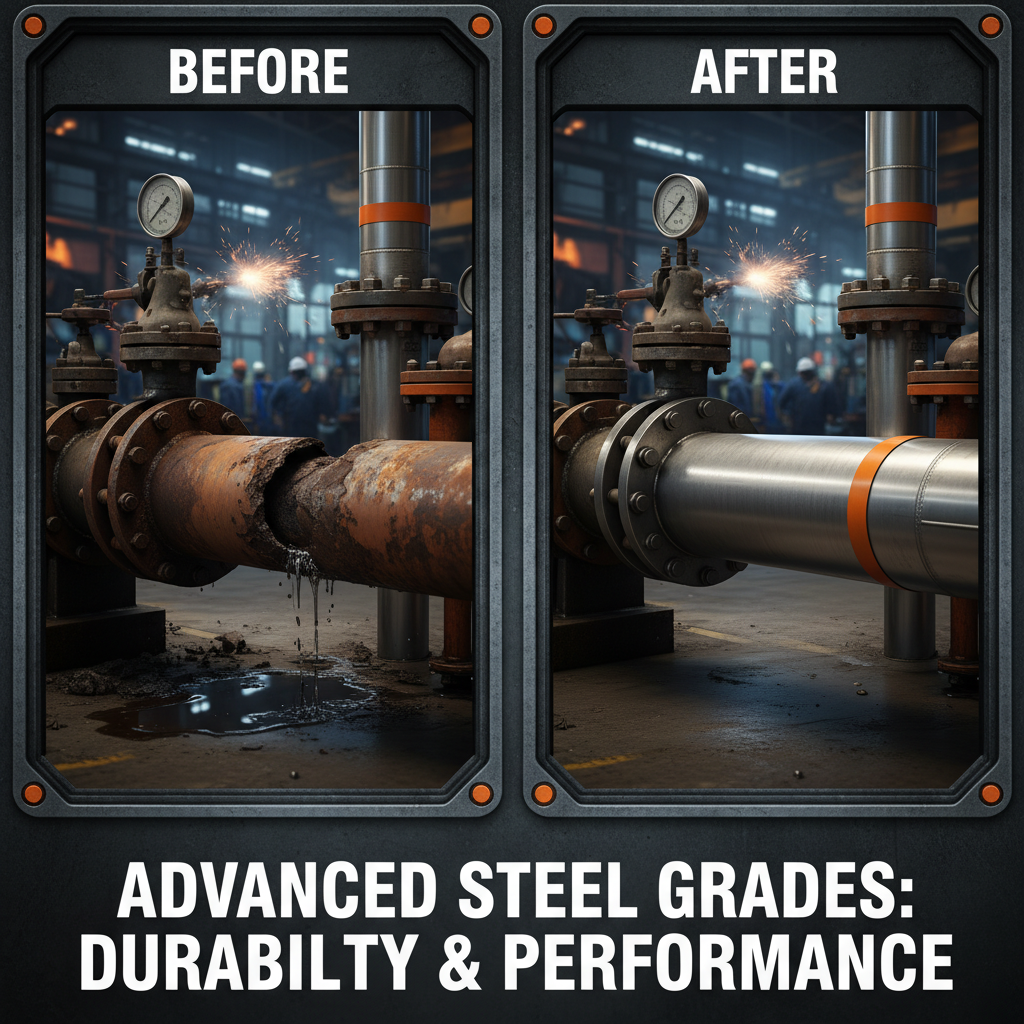
Now, I remember an early project where a client had been struggling with premature failures in older carbon steel tubes. Switching to T91 made a world of difference; the tubes would last much longer without catastrophic weld failures or cracking. It felt like a small miracle at the time, especially since fabricators and field engineers were initially wary of the alloy’s heat treatment requirements.
A213 T91 Product Specifications
| Property | Typical Value | Units |
|---|---|---|
| Carbon (C) | 0.08 max | % |
| Chromium (Cr) | 8.5 – 9.5 | % |
| Molybdenum (Mo) | 0.85 – 1.05 | % |
| Yield Strength (min) | 415 | MPa |
| Tensile Strength (min) | 585 | MPa |
| Creep Strength @ 600°C (100,000 hrs) | 55 | MPa |
Choosing the Right Supplier: Some Vendor Comparisons
In my experience, the source of the material can be as important as the grade itself. Specifications are clear, but variations in heat treatment and quality control can lead to different field performance. Here’s a quick look at three well-known suppliers and how they stack up for A213 T91 products:
| Vendor | Heat Treatment Quality | Delivery Speed | Price Competitiveness | Field Performance (User Feedback) |
|---|---|---|---|---|
| World Steel Material | Excellent | Fast (2-3 weeks) | Competitive | Highly Reliable |
| Supplier B | Good | Moderate (3-4 weeks) | Moderate | Mixed Reports |
| Supplier C | Variable | Slow (4-6 weeks) | Low Cost | Inconsistent |
Practical Advice and Anecdotes
Now, I suppose it goes without saying, but proper installation and welding procedures make or break the performance of T91 tubes. The alloy’s different thermal expansion and martensitic structure mean preheating and post-weld heat treatment are often mandatory. I've seen projects where ignoring that turned a promising upgrade into a maintenance headache.
Customers often ask if the incremental cost of T91 is worth it. Frankly, depending on your uptime demands and operating temperature, it almost always pays off in longer service life and fewer unplanned outages — which, you know, in a power plant can be incredibly costly.
And because it’s standardized in ASTM A213, you can rest assured about chemistry and mechanical properties, provided you choose a reputable supplier. That’s why I’ve linked the keyword to World Steel Material, which consistently delivers both quality and transparency.
In real terms, if you’re specifying materials for boilers or heat exchangers that need to handle harsh environments for years, A213 T91 should definitely be on your shortlist.
All in all, A213 T91 isn’t the flashiest steel to talk about, but it’s quietly solid in places that matter.
Quick Takeaway
If you want a reliable, creep-resistant alloy for high-temperature service, A213 T91 is an investment that usually pays off — just remember to pair it with the right supplier and fabrication expertise.
References
- ASTM International. ASTM A213 / A213M - Standard Specification for Seamless Ferritic and Austenitic Alloy-Steel Boiler, Superheater, and Heat-Exchanger Tubes.
- World Steel Material. Product Datasheets and Quality Standards. https://www.world-steelmaterial.com
- “Materials for High-Temperature Applications.” ASM International Handbook, Vol. 1, 2018.
Post time: Jan . 03, 2026 01:25
 English
  Arabic
  Bengali
  China
China  French
  German
  Hausa
Hausa  Indonesian
  Italian
  Japanese
  Javanese
  Malay
Malay  Persian
  Portuguese
  Punjabi
  Russian
  Spanish
  Swahili
  Telugu
  Vietnamese