

Understanding 316L SS Tubing: A Veteran’s Take on Durability and Versatility
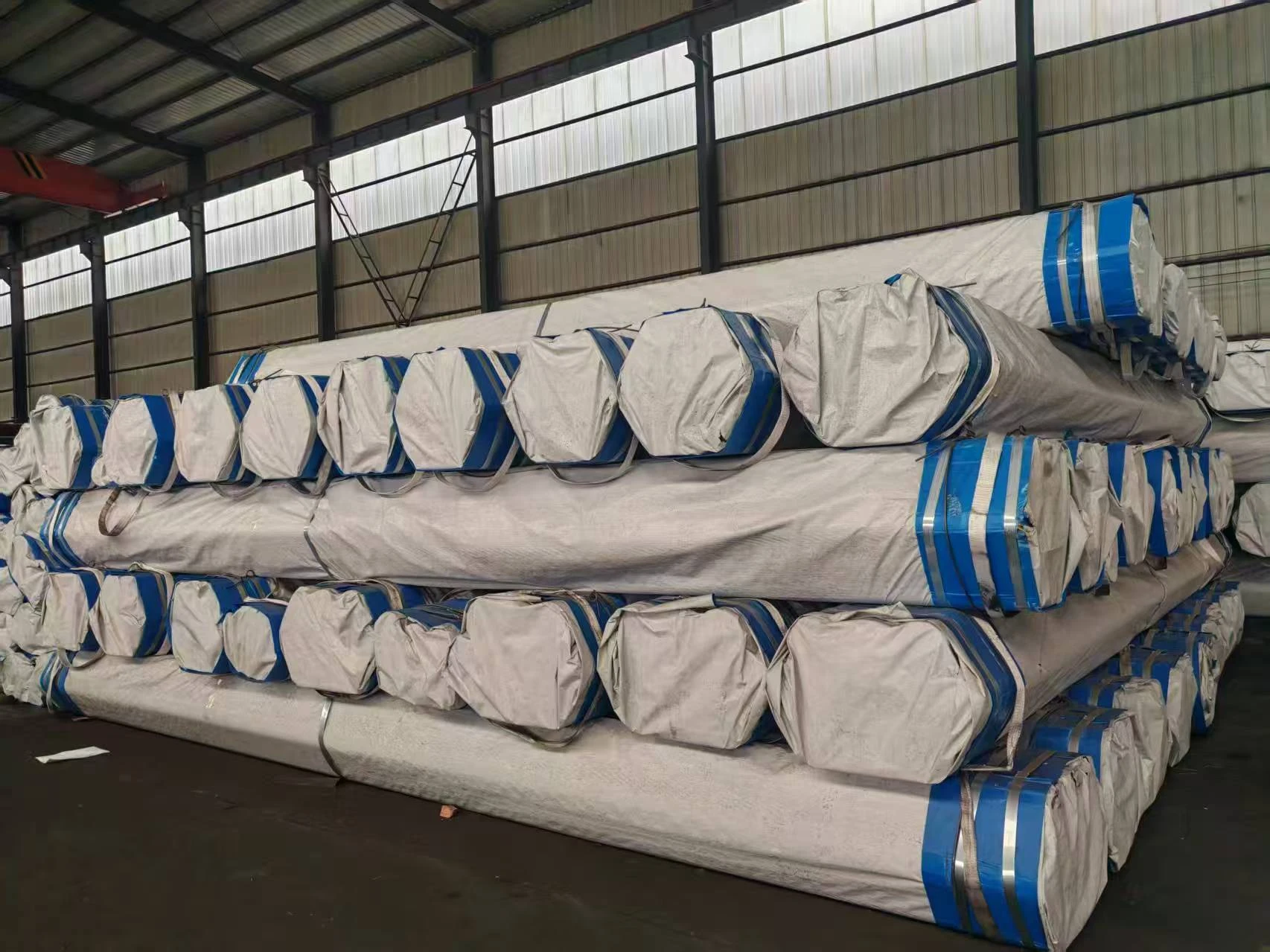
Having worked in the industrial equipment sector for over a decade, I’ve handled my share of materials — ranging from carbon steels to exotic alloys. Yet, when it comes to stainless steel tubing, 316L SS tubing always stands out for its balance of toughness, corrosion resistance, and workability.
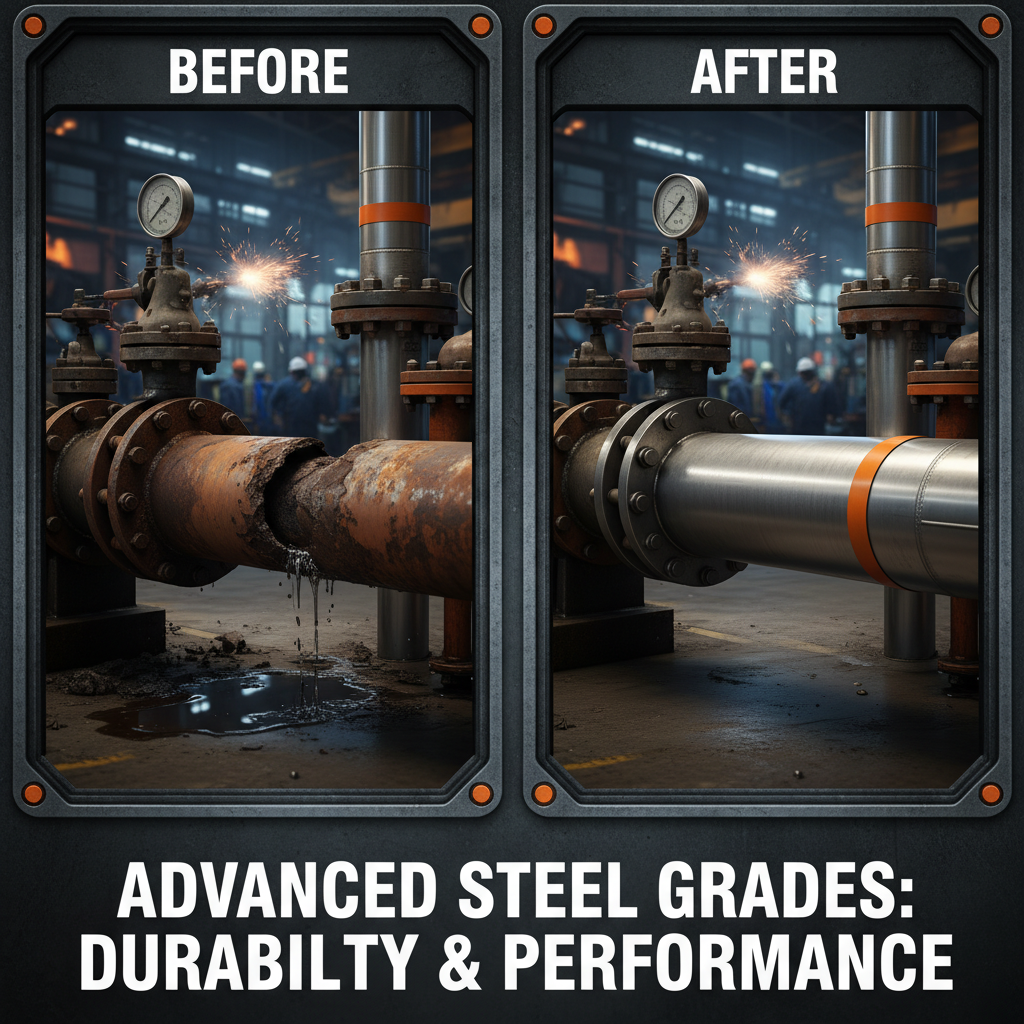
Oddly enough, many engineers overlook the subtle differences between grades like 304 and 316L, but frankly, that “L” (which means low carbon) makes a notable difference in critical environments. I remember specifying 316L tubing on a petrochemical plant upgrade project, where we needed to resist chlorides and stress corrosion cracking — something a standard 304 just couldn’t promise for the long haul.
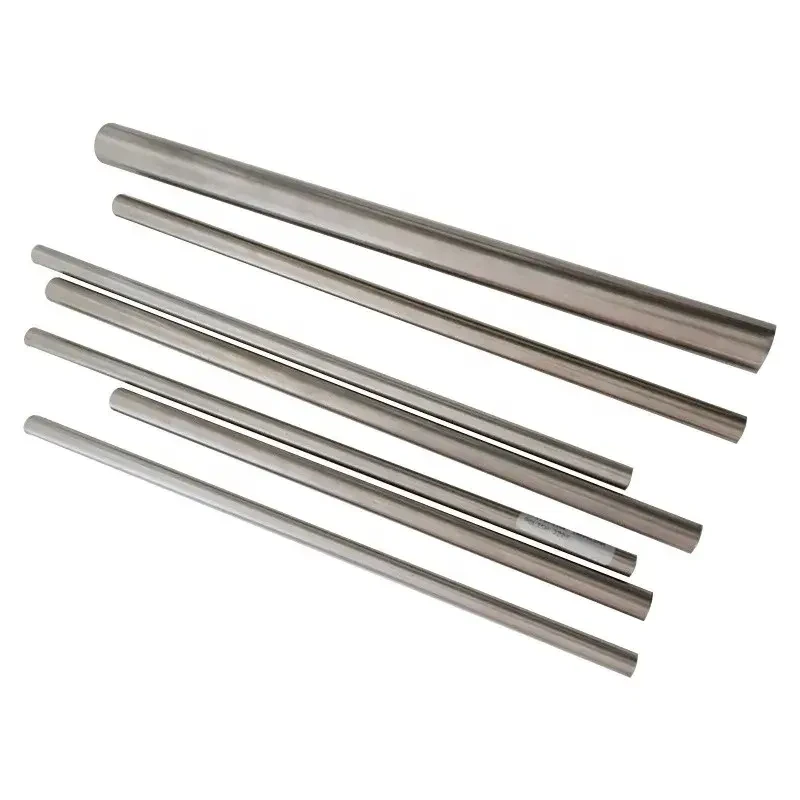
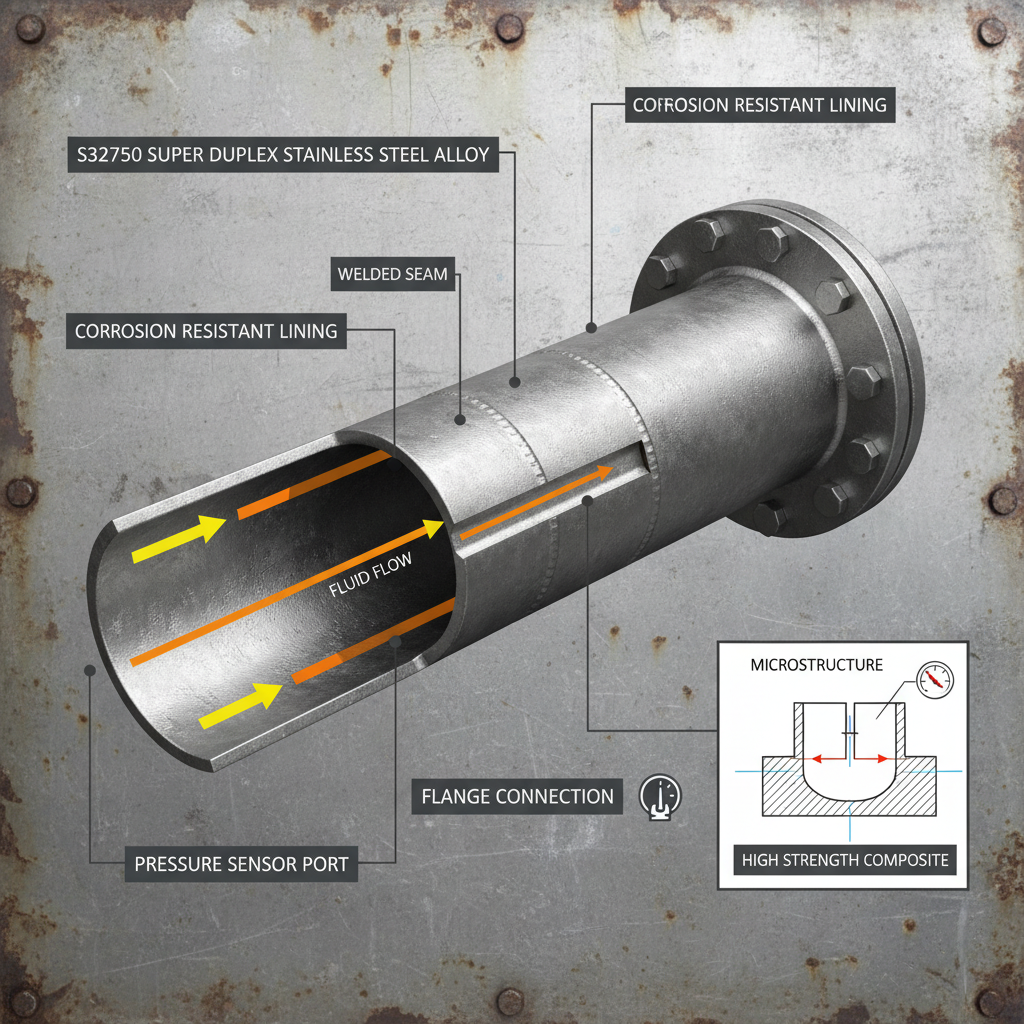
In real terms, 316L stainless steel tubing is widely used across food processing, pharmaceuticals, marine applications, and chemical industries, because it combines strength and chemical resistance with a surface that’s relatively easy to clean. If you’ve ever wondered why it’s a go-to, it’s mostly due to its molybdenum content, which grants that key edge against corrosion — even in seawater and acidic environments.
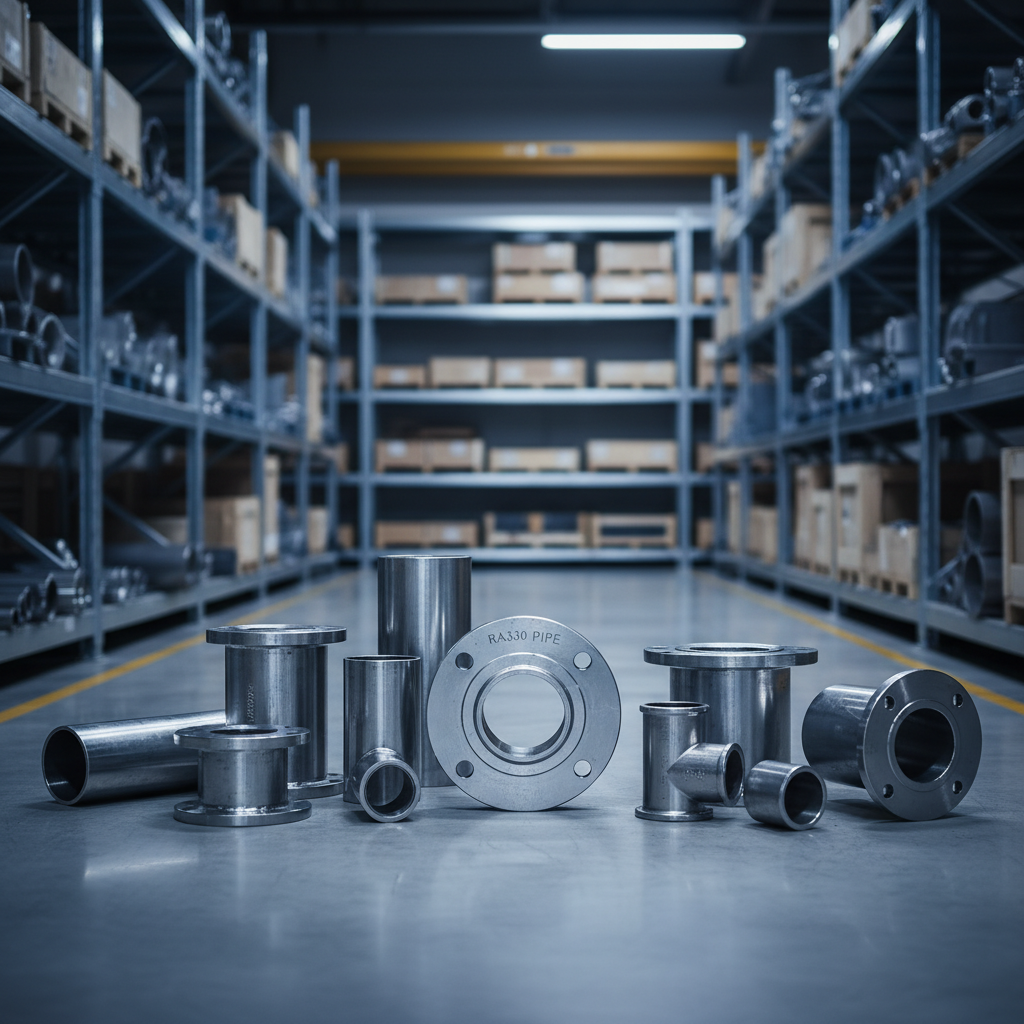
What fascinates me is how manufacturers keep tailoring this profile. Customizations in wall thickness, diameters, and finishes mean 316L SS tubing can flexibly serve everything from precision instrumentation lines to structural supports in harsh environments. And you know, the testing protocols for ensuring weldability and tensile strength? They’re becoming more rigorous, which frankly reassures everyone in the chain from fabricator to end user.
Speaking of which, here’s a brief summary of typical 316L SS tubing specs I often deal with:
| Characteristic | Specifications |
|---|---|
| Material Grade | ASTM A213, A269 (Seamless or Welded) |
| Chemical Composition | Chromium (16-18%), Nickel (10-14%), Molybdenum (2-3%) |
| Density | 8.0 g/cm³ |
| Yield Strength | 25 ksi (170 MPa) min |
| Temperature Range | -200°C to 870°C |
| Surface Finish | 2B (standard), customized finishes available |
Selecting the right vendor is another story altogether. I’ve seen companies new to the market with competitive pricing but inconsistent quality — and then the seasoned players who charge a premium yet seldom miss on specs or service. Here’s a quick vendor comparison based on my experience working alongside procurement and engineering teams in heavy industries:
| Vendor | Product Range | Lead Time | Quality Assurance | Pricing Level |
|---|---|---|---|---|
| Alpha Metals Co. | Wide (diameters & thickness) | 2-3 weeks | Certified ISO 9001, 3rd party testing | Mid-High |
| SteelPro Supplies | Standard sizes only | 1-2 weeks | Internal QA | Mid |
| Industrial Alloys Ltd. | Custom solutions, specialty alloys | 4-6 weeks | ISO, ASME certified, and extensive traceability | High |
Now, here’s a somewhat amusing but telling story: once, a client in the pharmaceutical industry insisted on 316 SS tubing to cut costs on a tricky solvent line. I pushed back, explaining the benefits of 316L’s lower carbon content in preventing carbide precipitation and maintaining corrosion resistance under welding. Long story short, after a small trial and some hesitation, they agreed and saw far fewer weld-related integrity issues thereafter. It’s those small details that make all the difference.
To sum it up, 316L SS tubing isn’t just “another stainless steel.” It’s a material designed for demanding conditions, where longevity and purity matter. If you’re tackling projects involving corrosive fluids, marine atmospheres, or sanitary process lines, this grade really deserves your attention — ideally from a trustworthy vendor who knows their specs inside out.
So next time you’re looking for reliable, versatile stainless steel tubing, give 316L a hard look. In my experience, it pays off — and honestly, it just makes engineering life a little easier.
- ASTM International - Standards for stainless steel tubing.
- Nickel Institute - Properties and uses of 316L stainless steel.
- Industrial Metals Journal - Vendor comparisons and industry best practices.
Post time: Dec . 03, 2025 13:44
 English
  Arabic
  Bengali
  China
China  French
  German
  Hausa
Hausa  Indonesian
  Italian
  Japanese
  Javanese
  Malay
Malay  Persian
  Portuguese
  Punjabi
  Russian
  Spanish
  Swahili
  Telugu
  Vietnamese